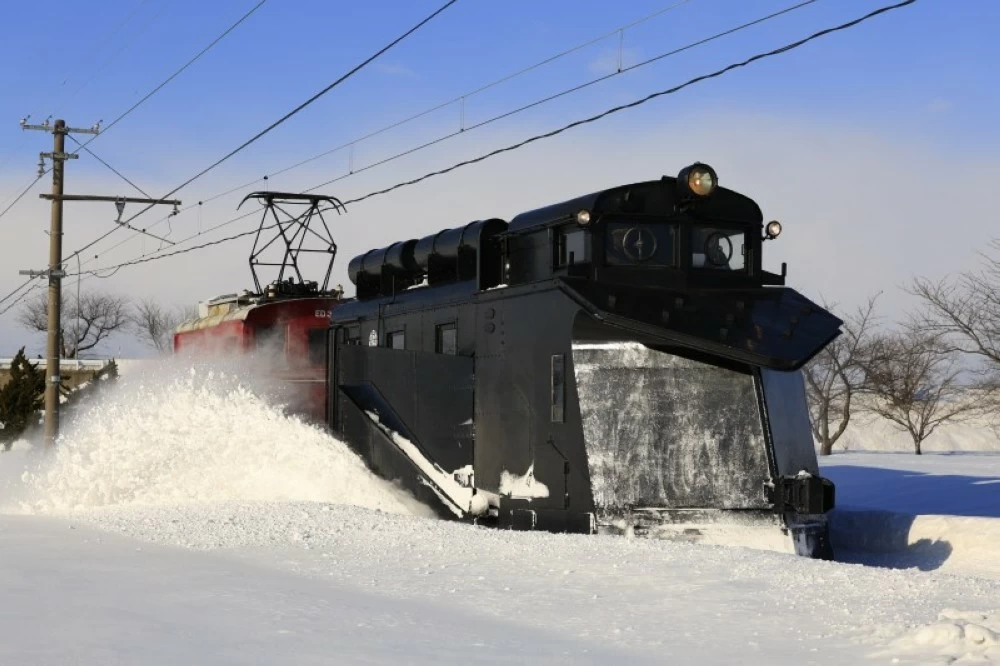
كشفت بيانات رسمية أعلنتها اليوم (الثلاثاء) وكالة إدارة الحرائق والكوارث اليابانية عن تصاعد كبير في حصيلة ضحايا العواصف الثلجية الشديدة التي اجتاحت مناطق واسعة من البلاد منذ بداية العام الحالي.
وأفادت الوكالة بأن عدد الوفيات الناجمة عن هذه الظروف الجوية القاسية بلغ 46 شخصاً حتى الآن، فيما وصل عدد المصابين إلى 558 شخصاً، وذلك خلال أقل من شهر واحد فقط.
وأرجعت السلطات اليابانية معظم حالات الوفاة إلى حوادث مرتبطة بتراكم الثلوج الثقيل، أبرزها انهيار أسطح المنازل تحت وطأة الثلوج، والسقوط أثناء إزالة الجليد من الأسطح، إضافة إلى حالات الإجهاد البدني الشديد أثناء محاولة تنظيف الطرق والمداخل، وحوادث التسمم بأول أكسيد الكربون الناتج عن استخدام وسائل تدفئة غير آمنة داخل المنازل المغلقة.
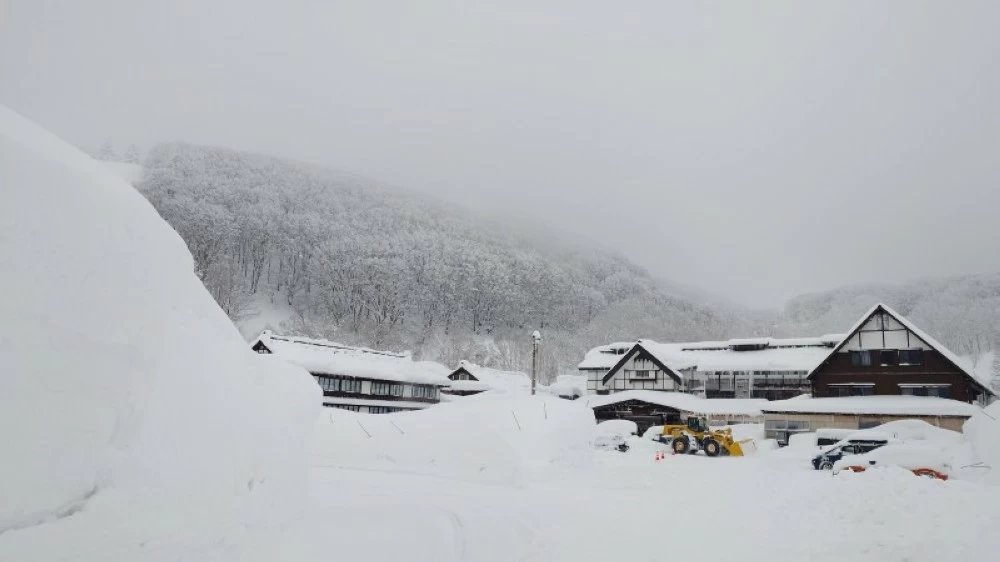
وتشهد المناطق الشمالية والشمالية الغربية من اليابان – وخاصة محافظات نيغاتا ويامagata وأكيتا وهوكايدو – أكبر نسب الضحايا، حيث تتجاوز كميات الثلوج المتراكمة في بعض المناطق 3 أمتار، فيما سجلت بعض المدن تساقطاً يومياً تجاوز 70–100 سم خلال الأيام الماضية.
وأوضحت الوكالة أن السلطات المحلية تواصل رفع درجة التأهب في المناطق الأكثر تضرراً، مع استمرار جهود الإنقاذ وتوزيع المساعدات وفتح مراكز إيواء مؤقتة للأسر التي تضررت منازلها أو انقطعت عنها الكهرباء والتدفئة لفترات طويلة.
وتُعد هذه الحصيلة من أعلى معدلات الضحايا الناجمة عن العواصف الثلجية في اليابان خلال السنوات الأخيرة، مما دفع خبراء الأرصاد إلى التحذير من أن تغير أنماط الطقس وارتفاع كميات التساقط قد يصبح أكثر تكراراً في المواسم القادمة.
وتواصل الحكومة اليابانية، بالتعاون مع الوكالة الوطنية لإدارة الكوارث، تقييم الأضرار وتسريع عمليات إعادة التأهيل، مع التأكيد على أهمية تعزيز إجراءات السلامة العامة في مواجهة الظواهر الجوية المتطرفة.
Official data announced today (Tuesday) by the Japanese Fire and Disaster Management Agency revealed a significant increase in the death toll from the severe snowstorms that have swept across large areas of the country since the beginning of this year.
The agency reported that the number of fatalities resulting from these harsh weather conditions has reached 46 people so far, while the number of injuries has reached 558, all within less than a month.
The Japanese authorities attributed most of the deaths to incidents related to heavy snow accumulation, notably the collapse of roofs under the weight of the snow, falls while removing ice from roofs, as well as cases of severe physical strain while attempting to clear roads and entrances, and incidents of carbon monoxide poisoning resulting from the use of unsafe heating methods inside closed homes.
The northern and northwestern regions of Japan – particularly the prefectures of Niigata, Yamagata, Akita, and Hokkaido – are witnessing the highest casualty rates, with snow accumulation in some areas exceeding 3 meters, while some cities recorded daily snowfall exceeding 70–100 cm in recent days.
The agency clarified that local authorities continue to raise the state of alert in the most affected areas, as rescue efforts and aid distribution are ongoing, along with the opening of temporary shelters for families whose homes have been damaged or have been without electricity and heating for extended periods.
This toll represents one of the highest rates of casualties from snowstorms in Japan in recent years, prompting meteorological experts to warn that changing weather patterns and increased precipitation may become more frequent in the coming seasons.
The Japanese government, in cooperation with the National Disaster Management Agency, continues to assess the damage and expedite rehabilitation efforts, emphasizing the importance of enhancing public safety measures in the face of extreme weather phenomena.