أعلنت وكالة الفضاء الأمريكية «ناسا» تأجيل إطلاق مهمة أرتميس 2 عدة أسابيع، عقب تعرّض اختبار العدّ التنازلي النهائي المعروف بـ«البروفة الرطبة» لمشكلات تقنية، أبرزها تسرب وقود الهيدروجين، ما أثار تساؤلات جديدة حول الموعد الفعلي لانطلاق أول رحلة مأهولة حول القمر منذ أكثر من خمسة عقود.
تأجيل إطلاق «أرتميس 2»
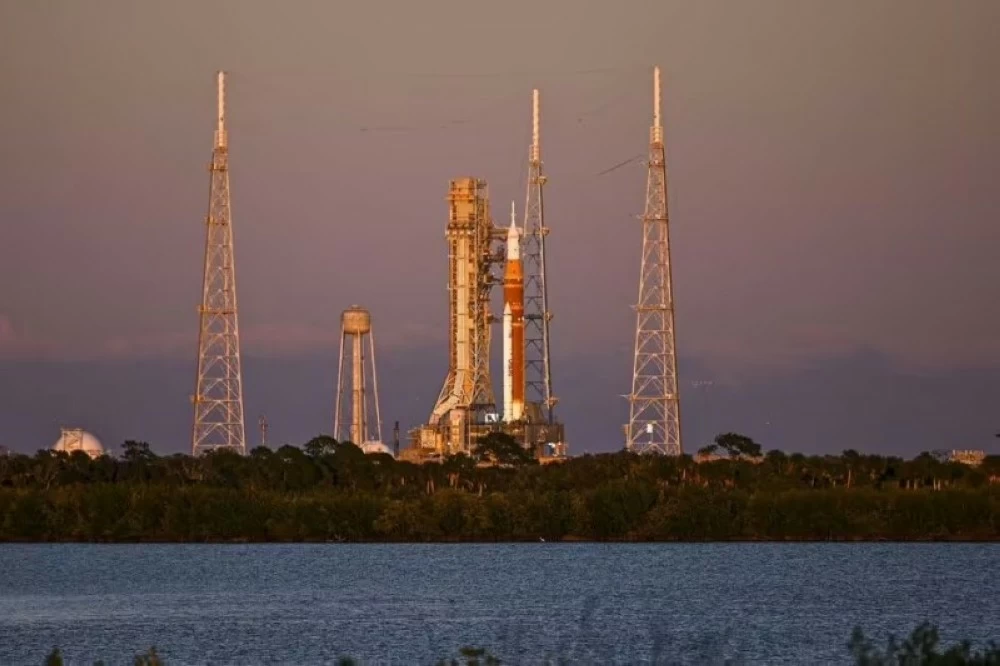
وجاء التأجيل بعد أن واجه مهندسو «ناسا» صعوبات خلال عملية تزويد صاروخ نظام الإطلاق الفضائي (SLS) بالوقود في مركز كينيدي الفضائي بولاية فلوريدا، فبعد ساعات قليلة من بدء العملية، رصدت أجهزة الاستشعار تراكمًا غير طبيعي لغاز الهيدروجين قرب قاعدة الصاروخ، ما اضطر الفرق الفنية إلى إيقاف التزويد بالوقود مرتين على الأقل.
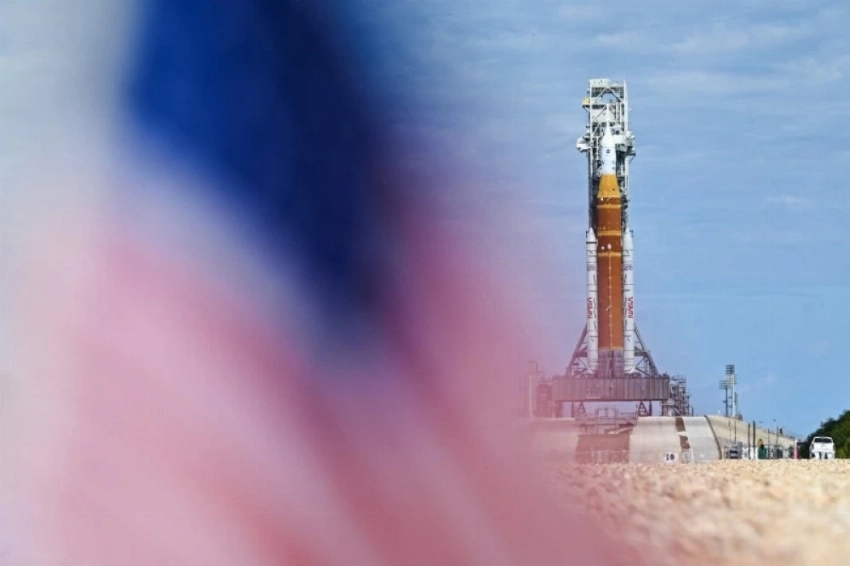
وكان الهدف من الاختبار محاكاة جميع مراحل الإطلاق بدقة، بما في ذلك تحميل أكثر من 700 ألف جالون من الأوكسجين والهيدروجين السائلين شديدي البرودة داخل الصاروخ البالغ طوله نحو 98 مترًا، ثم تثبيتهما لعدة ساعات؛ إلا أن التسربات عطّلت الجدول الزمني وأجبرت الفرق على التعامل مع المشكلة ميدانيًا.
تسرّب هيدروجيني يعطل المهمة
وتُعد هذه الأعطال تكرارًا لمشكلات سابقة، إذ سبق أن عانى الصاروخ نفسه من تسربات مشابهة خلال أول رحلة غير مأهولة عام 2022، ما أدى حينها إلى تأجيل الإطلاق قبل أن يتم بنجاح لاحقًا.
وعلى الرغم من اعتماد حلول فنية جرى تطويرها خلال تلك التجربة، فإن الاختبار الحالي لم يمر كما كان مخططًا له.
وفي أثناء ذلك، تابع رواد الفضاء الأربعة المشاركون في مهمة «أرتميس 2» - ثلاثة أمريكيين ورائد فضاء كندي - مجريات الاختبار من مدينة هيوستن، على بُعد نحو ألف ميل، حيث يخضعون منذ أكثر من أسبوع لإجراءات الحجر الصحي استعدادًا للإطلاق المحتمل.
وتهدف مهمة «أرتميس 2»، التي تمتد لنحو عشرة أيام، إلى إرسال الطاقم في رحلة تحليق حول القمر والمرور بالجانب البعيد منه، قبل العودة مباشرة إلى الأرض، لاختبار أنظمة دعم الحياة والملاحة والاتصالات، تمهيدًا للهبوط البشري المستقبلي على سطح القمر ضمن برنامج «أرتميس».
موعد جديد محتمل للإطلاق
وفي تعليق رسمي، أوضح مدير وكالة «ناسا» جاريد آيزاكمان عبر منصة «إكس» أن الوكالة قررت الخروج من نافذة الإطلاق المحددة في شهر فبراير، واستهداف شهر مارس كأقرب موعد محتمل للإطلاق، مؤكدًا أن هذه الاختبارات تُجرى أساسًا لاكتشاف المشكلات قبل الرحلة الفعلية.
وأضافت «ناسا» في بيان تفصيلي أن الفرق الفنية نجحت رغم الصعوبات في ملء خزانات المرحلة الأساسية ومرحلة الدفع المبردة بنجاح، وأجرت عدًّا تنازليًا حتى خمس دقائق قبل الإطلاق، قبل أن يتم إيقاف العملية بسبب زيادة معدل تسرب الهيدروجين.
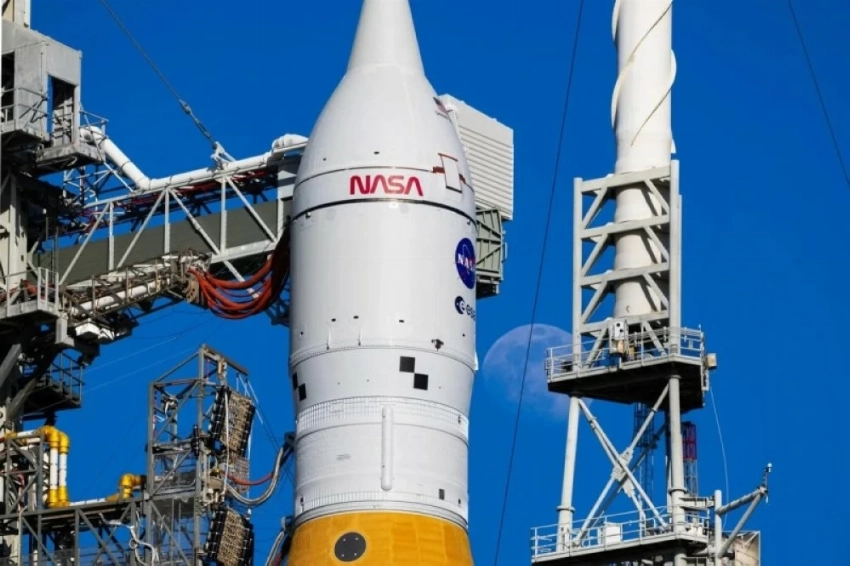
كما أشارت إلى عوامل إضافية أثّرت على الاختبار، شملت أعمال تجهيز مطوّلة لمركبة «أوريون»، وانقطاعات متقطعة في أنظمة الصوت الأرضية، وتأثيرات الطقس البارد على بعض الكاميرات.
وأكدت الوكالة أن هذه التحديات متوقعة في برنامج بهذا الحجم والتعقيد، وأن الهدف منها هو ضمان أعلى درجات الأمان والجاهزية قبل انطلاق أول مهمة مأهولة نحو القمر منذ عصر «أبولو».
The American space agency "NASA" announced the postponement of the Artemis 2 mission launch by several weeks, following technical issues encountered during the final countdown test known as the "wet dress rehearsal," most notably a hydrogen fuel leak, which raised new questions about the actual date for the launch of the first crewed mission to the moon in over five decades.
Postponement of "Artemis 2" Launch
The postponement came after NASA engineers faced difficulties during the fueling process of the Space Launch System (SLS) rocket at Kennedy Space Center in Florida. Just a few hours into the operation, sensors detected an abnormal accumulation of hydrogen gas near the base of the rocket, forcing the technical teams to halt fueling at least twice.
The goal of the test was to accurately simulate all phases of the launch, including loading over 700,000 gallons of super-cold liquid oxygen and hydrogen into the approximately 98-meter-tall rocket, and then holding them for several hours; however, the leaks disrupted the schedule and forced teams to address the issue on-site.
Hydrogen Leak Disrupts the Mission
These malfunctions are a recurrence of previous issues, as the rocket itself experienced similar leaks during its first uncrewed flight in 2022, which led to a launch delay before it was successfully completed later.
Despite the implementation of technical solutions developed during that experience, the current test did not proceed as planned.
Meanwhile, the four astronauts participating in the Artemis 2 mission—three Americans and one Canadian astronaut—monitored the test from Houston, about a thousand miles away, where they have been undergoing quarantine procedures for over a week in preparation for the potential launch.
The Artemis 2 mission, which will last about ten days, aims to send the crew on a flyby around the moon, passing its far side, before returning directly to Earth, to test life support, navigation, and communication systems, in preparation for future human landings on the moon as part of the Artemis program.
Possible New Launch Date
In an official comment, NASA Administrator Jared Isaacman clarified via the "X" platform that the agency decided to move out of the designated launch window in February and target March as the earliest possible launch date, emphasizing that these tests are primarily conducted to identify issues before the actual flight.
NASA added in a detailed statement that the technical teams successfully filled the core stage and the cryogenic upper stage tanks despite the difficulties, and conducted a countdown up to five minutes before launch, before halting the operation due to an increased hydrogen leak rate.
It also noted additional factors that affected the test, including prolonged preparations for the Orion spacecraft, intermittent outages in ground audio systems, and the effects of cold weather on some cameras.
The agency confirmed that these challenges are expected in a program of this scale and complexity, and that the goal is to ensure the highest levels of safety and readiness before the launch of the first crewed mission to the moon since the Apollo era.