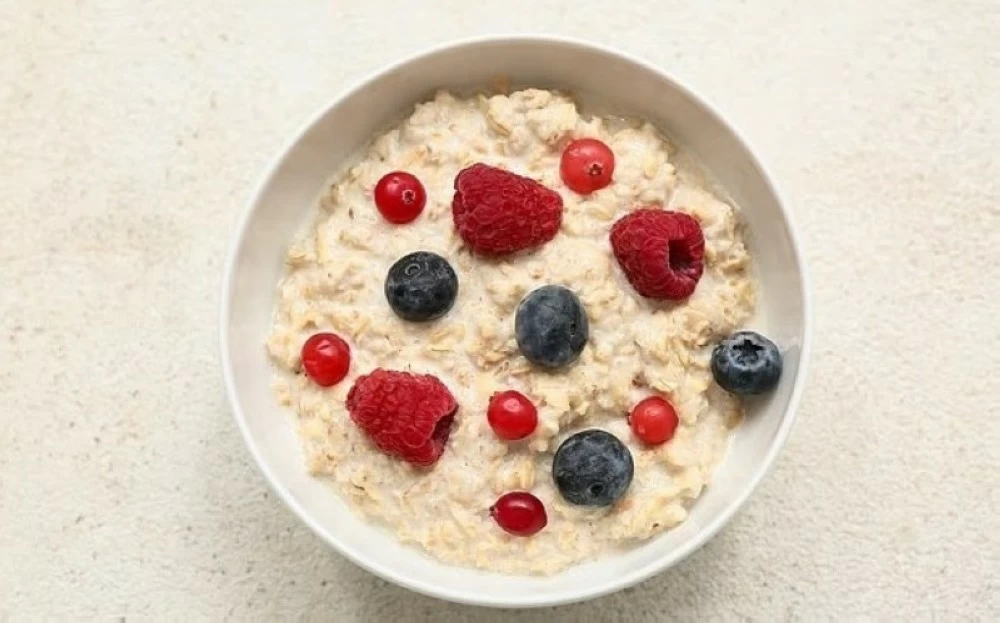
كشفت دراسة علمية حديثة أن الاعتماد على تناول الشوفان (العصيدة) فقط لمدة يومين قد يُسهم بشكل ملحوظ في خفض مستويات الكوليسترول الضار في الجسم، مع توفير حماية للقلب تمتد لأسابيع، في نتيجة فاجأت الباحثين.
ورغم الارتباط المعروف بين الشوفان وتحسين مستويات الكوليسترول، إلا أن باحثين من جامعة بون الألمانية توصلوا إلى أن التأثير الإيجابي قد يظهر بسرعة أكبر مما كان يُعتقد سابقًا.
الشوفان وخفض الكوليسترول الضار
وأظهرت الدراسة أن الأشخاص المعرضين لخطر الإصابة بأمراض القلب، والذين اتبعوا نظامًا غذائيًا منخفض السعرات يعتمد بشكل شبه كامل على الشوفان لمدة يومين فقط، شهدوا انخفاضًا في مستويات الكوليسترول الضار (LDL) بنسبة 10%، وهو النوع المرتبط بزيادة خطر الإصابة بالنوبات القلبية والسكتات الدماغية.
ويحتوي الشوفان على مادة بيتا-غلوكان، وهي نوع من الألياف القابلة للذوبان، تتحول داخل الأمعاء إلى مادة هلامية ترتبط بالكوليسترول وتمنع امتصاصه في مجرى الدم.
الكمية المناسبة
وكانت التوصيات الصحية السابقة تشير إلى ضرورة تناول نحو 3 غرامات من بيتا-غلوكان يوميًا - أي ما يعادل طبق شوفان يومي – لتحقيق خفض تدريجي في الكوليسترول يتراوح بين 5 و10%، غير أن النتائج الجديدة تشير إلى أن ما وصفه الباحثون بـ«إعادة ضبط غذائية سريعة بالشوفان» قد تحقق التأثير ذاته خلال أيام قليلة فقط، خاصة لدى المصابين بـ«متلازمة التمثيل الغذائي»، التي تشمل السمنة وارتفاع ضغط الدم وارتفاع سكر الدم، وترفع خطر الإصابة بالسكري وأمراض القلب والسكتة الدماغية.
وأكد الباحثون أن التأثير الإيجابي ظل مستقرًا حتى ستة أسابيع بعد انتهاء النظام الغذائي القصير.
وشملت الدراسة، المنشورة في مجلة Nature، نحو 32 مشاركًا اتبعوا نظامًا غذائيًا قصير الأمد لمدة يومين، تناولوا خلاله الشوفان فقط، مقسمًا إلى ثلاث وجبات يومية بواقع 100 غرام لكل وجبة، مع السماح بإضافة كميات محدودة من الفاكهة أو الخضروات، مع تقليل السعرات الحرارية إلى نحو نصف المعتاد.
وفي المقابل، اتبع أفراد المجموعة الضابطة نظامًا غذائيًا منخفض السعرات أيضًا، لكن دون قيود على نوعية الطعام، ورغم استفادة المجموعتين، كانت النتائج أوضح بكثير لدى مجموعة الشوفان فقط.
وقالت البروفيسورة ماري-كريستين سيمون، المشاركة في إعداد الدراسة: «انخفض مستوى الكوليسترول الضار بنسبة 10%، وهو انخفاض كبير بالفعل، كما فقد المشاركون نحو كيلوغرامين من الوزن في المتوسط، وانخفض ضغط الدم لديهم بشكل طفيف».
زيادة البكتيريا النافعة
كما أظهرت النتائج أن تناول الشوفان ساهم في زيادة البكتيريا النافعة في الأمعاء، ومن بينها مركبات مثل حمض الفيروليك، الذي يساعد على خفض الكوليسترول عبر تثبيط إنزيم مسؤول عن إنتاجه في الكبد.
وفي جزء آخر من الدراسة امتد لستة أسابيع، استبدل المشاركون وجبة واحدة يوميًا بالشوفان، لكن هذه الطريقة لم تُظهر انخفاضًا ملحوظًا في الكوليسترول، ما يشير إلى أن الأنظمة القصيرة المكثفة قد تكون أكثر فاعلية من التدخلات الطويلة الأقل صرامة.
وخلص الباحثون إلى أن الشوفان، خصوصًا عند تناوله بجرعات مرتفعة لفترة قصيرة، قد يمثل وسيلة سريعة وآمنة لتحسين صحة التمثيل الغذائي والحد من اضطرابات الدهون المرتبطة بالسمنة.
A recent scientific study revealed that relying solely on consuming oats (porridge) for just two days may significantly contribute to lowering harmful cholesterol levels in the body, providing heart protection that lasts for weeks, a result that surprised researchers.
Despite the known link between oats and improved cholesterol levels, researchers from the University of Bonn in Germany found that the positive effect may appear more quickly than previously thought.
Oats and Lowering Harmful Cholesterol
The study showed that individuals at risk of heart disease, who followed a low-calorie diet almost entirely based on oats for just two days, experienced a 10% reduction in levels of harmful cholesterol (LDL), the type associated with an increased risk of heart attacks and strokes.
Oats contain beta-glucan, a type of soluble fiber that transforms into a gel-like substance in the intestines, binding with cholesterol and preventing its absorption into the bloodstream.
The Right Amount
Previous health recommendations suggested consuming about 3 grams of beta-glucan daily—equivalent to a bowl of oats each day—to achieve a gradual reduction in cholesterol ranging from 5% to 10%. However, the new findings indicate that what the researchers described as a "rapid dietary reset with oats" could achieve the same effect in just a few days, especially for those suffering from "metabolic syndrome," which includes obesity, high blood pressure, and elevated blood sugar, increasing the risk of diabetes, heart disease, and stroke.
The researchers confirmed that the positive effect remained stable for up to six weeks after the short diet ended.
The study, published in the journal Nature, included about 32 participants who followed a short-term diet for two days, consuming only oats divided into three daily meals of 100 grams each, with limited amounts of fruit or vegetables allowed, while reducing calorie intake to about half of what is usual.
In contrast, members of the control group followed a low-calorie diet as well, but without restrictions on food types. Despite both groups benefiting, the results were much clearer in the oats-only group.
Professor Marie-Christine Simon, a co-author of the study, stated: "The level of harmful cholesterol decreased by 10%, which is indeed a significant reduction, and participants lost about two kilograms on average, with a slight decrease in their blood pressure."
Increased Beneficial Bacteria
The results also showed that consuming oats contributed to an increase in beneficial bacteria in the intestines, including compounds like ferulic acid, which helps lower cholesterol by inhibiting an enzyme responsible for its production in the liver.
In another part of the study that extended for six weeks, participants replaced one meal daily with oats, but this method did not show a significant decrease in cholesterol, suggesting that short, intensive regimens may be more effective than longer, less strict interventions.
The researchers concluded that oats, especially when consumed in high doses for a short period, may represent a quick and safe means to improve metabolic health and reduce fat disorders associated with obesity.