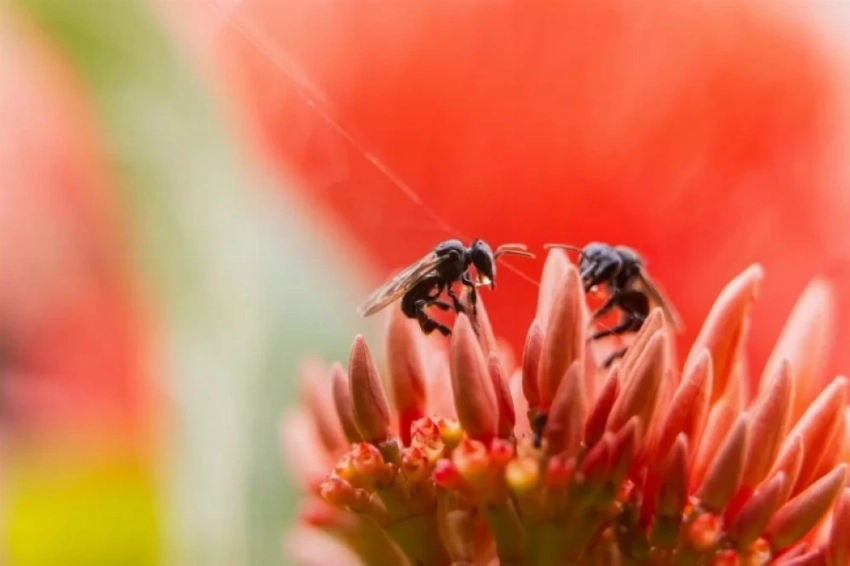
في خطوة تُعد الأولى من نوعها عالميا لحماية حشرة بمنحها حقوقا قانونية، أقرت بلديتان في منطقة الأمازون البيروفية حقوقا رسمية للنحل عديم اللسع، والمعروف علميا باسم النحل «المليبوني»، وهو ما يمثل سابقة قانونية غير مسبوقة في مجال حماية الحشرات. البلديتان هما ساتيبو في إقليم خونين بوسط البلاد، وناوتا في إقليم لوريتو شمالا، حيث اعتمدت بلدية ساتيبو في 21 أكتوبر 2025 أمرا يعترف بالنحل الأمازوني عديم اللسع كـ«كائنات ذات حقوق» داخل محمية أفيريري-فرايم للمحيط الحيوي، وتبعته بلدية نوتا في ديسمبر 2025 بإقرار مماثل.
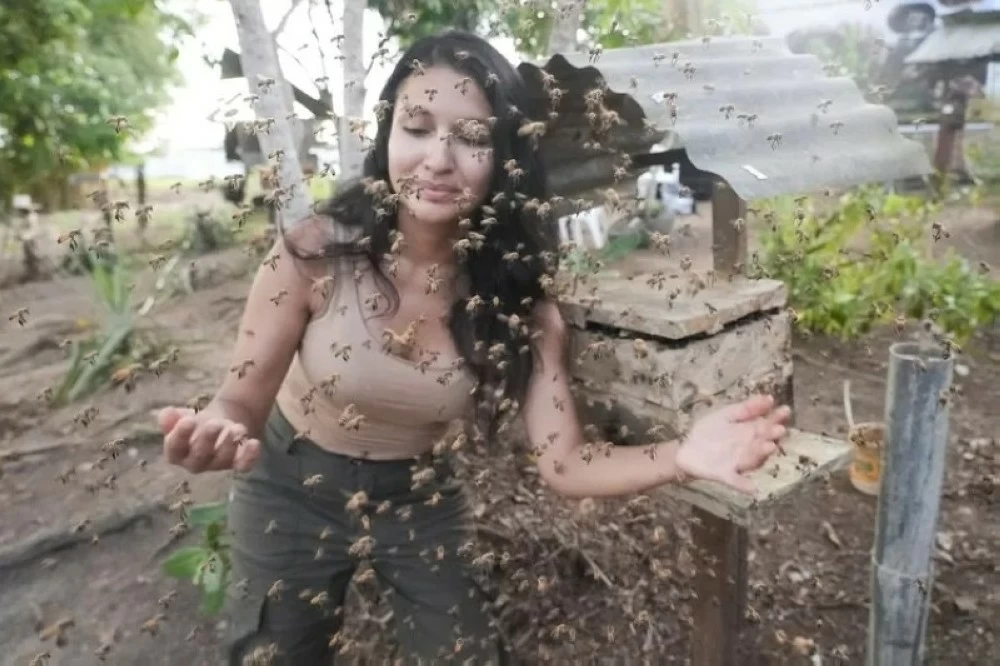
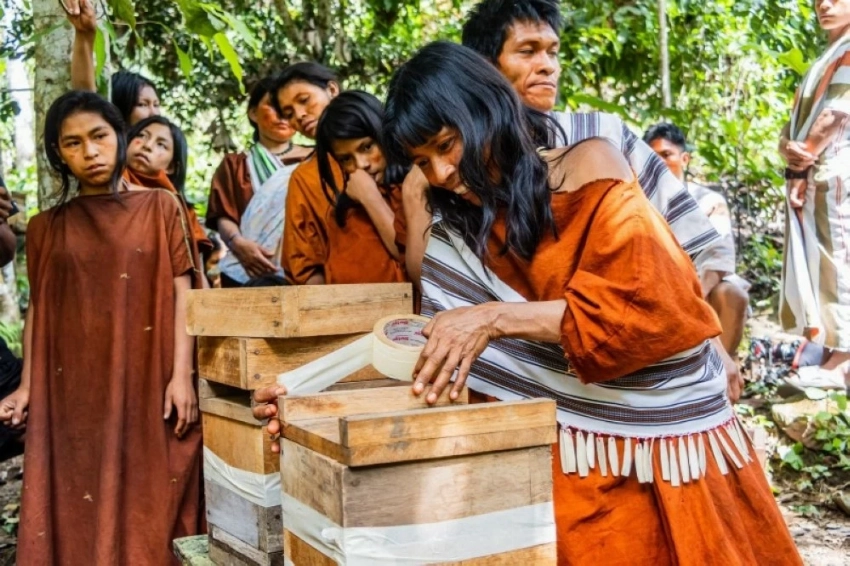
وعلى عكس نحل العسل الأوروبي، لا يملك هذا النحل لسعة فعالة، مما يجعله غير دفاعي، ويعتمد كليًا على بيئته الطبيعية، ولقرون طويلة، اعتمدت شعوب أصلية مثل شعب الأشانينكا، على تربيته التقليدية للحصول على عسل علاجي وشمع ومساهمات في التوازن البيئي.
ووفقا لوسائل إعلام بيروفية دفعت السلطات في تلك البلدات إلى إقرار هذا القانون للاعتراف بحقوق النحل عديم اللسع، لما يواجهه من تهديدات خطيرة في مقدمتها: الإزالة الغابية السريعة، واستخدام المبيدات الحشرية بكثافة، وتغير المناخ وتغيرات درجات الحرارة، وانتشار نحل «القاتل» الأفريقي المُهجن الذي يهاجم مستعمراته.
وفي عام 2024، أقر الكونغرس البيروفي قانونا وطنيا يعترف بالنحل عديم اللسع كأنواع وطنية ذات أهمية، لكن الخطوة المحلية في ساتيبو وناوتا ذهبت أبعد بكثير، حيث منحته حقوقا جوهرية تشمل الحق في الوجود والازدهار، والحق في بيئة صحية خالية من التلوث والمبيدات، والحق في ظروف مناخية مستدامة، والحق في تمثيل قانوني عبر أوصياء أو منظمات في حال التهديد أو الضرر
يُنظر إلى هذا القرار كجزء من حركة «حقوق الطبيعة» العالمية التي بدأت في الإكوادور دستور 2008 وامتدت إلى منح حقوق لأنهار وغابات وأحياء، لكنه يُعد الأول الذي يشمل حشرة على هذا النطاق.
وأثارت الخطوة اهتماما دوليا كبيرا، حيث جمعت حملة Avaaz أكثر من 386 ألف توقيع لتعميم القانون على مستوى بيرو كلها، وأبدت مجموعات في بوليفيا وهولندا والولايات المتحدة رغبتها في تقليد النموذج.
In a move considered the first of its kind globally to protect an insect by granting it legal rights, two municipalities in the Peruvian Amazon have officially recognized the rights of the stingless bee, scientifically known as "Melipona" bees, marking an unprecedented legal precedent in the field of insect protection. The municipalities are Satipo in the Junín region in the central part of the country, and Naota in the Loreto region to the north, where the Satipo municipality adopted an order on October 21, 2025, recognizing the Amazonian stingless bee as "beings with rights" within the Avireri-Fraim Biosphere Reserve, followed by the Naota municipality with a similar declaration in December 2025.
Unlike European honeybees, this bee does not possess an effective sting, making it non-defensive, and it relies entirely on its natural environment. For centuries, indigenous peoples such as the Ashaninka have depended on its traditional cultivation for therapeutic honey, wax, and contributions to ecological balance.
According to Peruvian media, the authorities in those towns pushed for the enactment of this law to recognize the rights of the stingless bee due to the serious threats it faces, primarily: rapid deforestation, heavy pesticide use, climate change and temperature fluctuations, and the spread of hybrid "killer" African bees that attack its colonies.
In 2024, the Peruvian Congress passed a national law recognizing the stingless bee as a nationally significant species, but the local step in Satipo and Naota went much further, granting it substantive rights that include the right to exist and thrive, the right to a healthy environment free from pollution and pesticides, the right to sustainable climatic conditions, and the right to legal representation through guardians or organizations in cases of threat or harm.
This decision is viewed as part of the global "Rights of Nature" movement that began in Ecuador's 2008 Constitution and has extended to granting rights to rivers, forests, and ecosystems, but it is the first to include an insect on this scale.
The move has sparked significant international interest, with the Avaaz campaign gathering over 386,000 signatures to generalize the law across all of Peru, and groups in Bolivia, the Netherlands, and the United States expressing their desire to replicate the model.