تابع قناة عكاظ على الواتساب
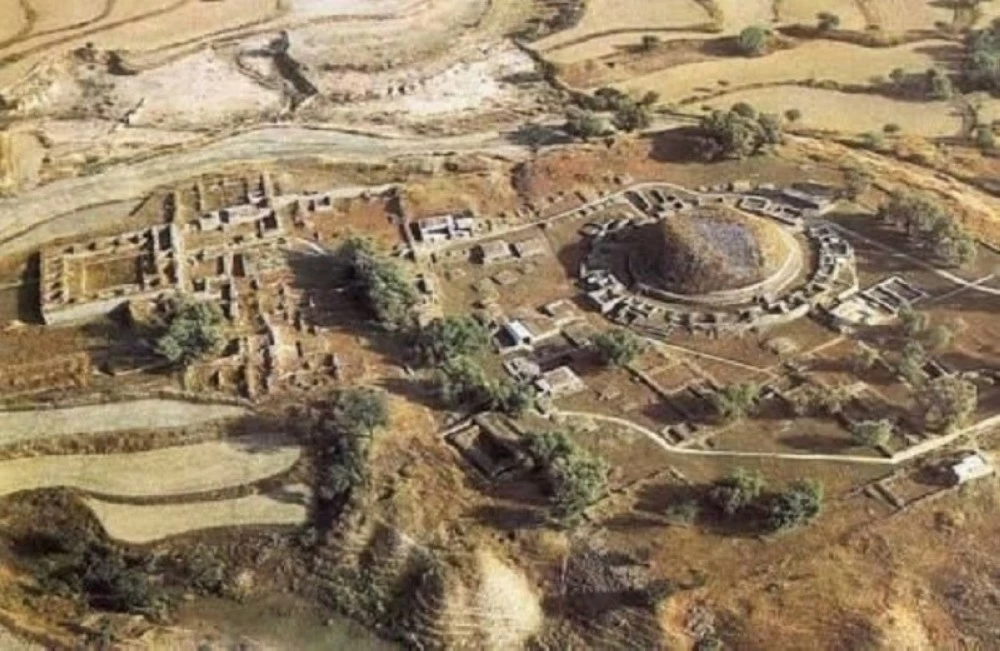
اكتشف علماء الآثار في باكستان آثار حضارة قديمة منظمة تعود إلى القرن السادس قبل الميلاد، خلال عمليات التنقيب في موقع «بهير» بالقرب من مدينة «تاكسيلا» القديمة.
ووفقاً للعلماء، كشف التنقيب عن دلائل على تخطيط حضري مبكر، شملت شوارع ضيقة ومباني سكنية وآباراً ومخازن للغلال، وأدوات تستخدم في الحياة اليومية. وأشار العلماء، إلى أن المدينة تطورت بشكل عضوي غير منتظم، وهو ما يختلف عن المدن اللاحقة التي اتسمت بتخطيط هندسي، ما يعكس الهيكل الأصلي لحياة السكان في تلك الحقبة. وكانت المدينة تقع على امتداد طرق تجارية رئيسية إلى آسيا الوسطى وأفغانستان، وهو ما يفسر اكتشاف ثروة من القطع الأثرية الفريدة من مختلف العصور.
ويُعد موقع«بهير» أقدم مستوطنة في محيط «تاكسيلا»، التي استولى عليها الإسكندر الأكبر خلال حملته على الهند، كما يعتبر الموقع جزءاً من «آثار تاكسيلا» المدرجة ضمن قائمة التراث العالمي لليونسكو منذ 1980.
Archaeologists in Pakistan have discovered the remains of an organized ancient civilization dating back to the sixth century BC during excavations at the site of "Bhir" near the ancient city of "Taxila."
According to the scientists, the excavation revealed evidence of early urban planning, including narrow streets, residential buildings, wells, granaries, and tools used in daily life. The scientists noted that the city developed in an organically irregular manner, which contrasts with later cities characterized by geometric planning, reflecting the original structure of life for the inhabitants of that era. The city was located along major trade routes to Central Asia and Afghanistan, which explains the discovery of a wealth of unique artifacts from various periods.
The site of "Bhir" is considered the oldest settlement in the vicinity of "Taxila," which was seized by Alexander the Great during his campaign in India. The site is also part of the "Taxila Archaeological Site," which has been listed as a UNESCO World Heritage Site since 1980.