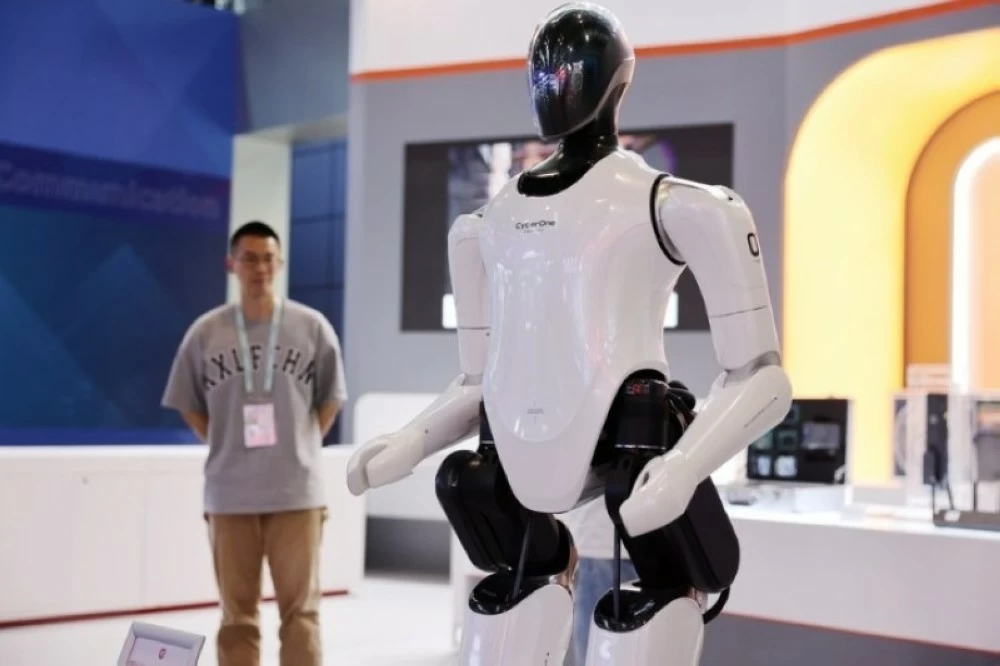
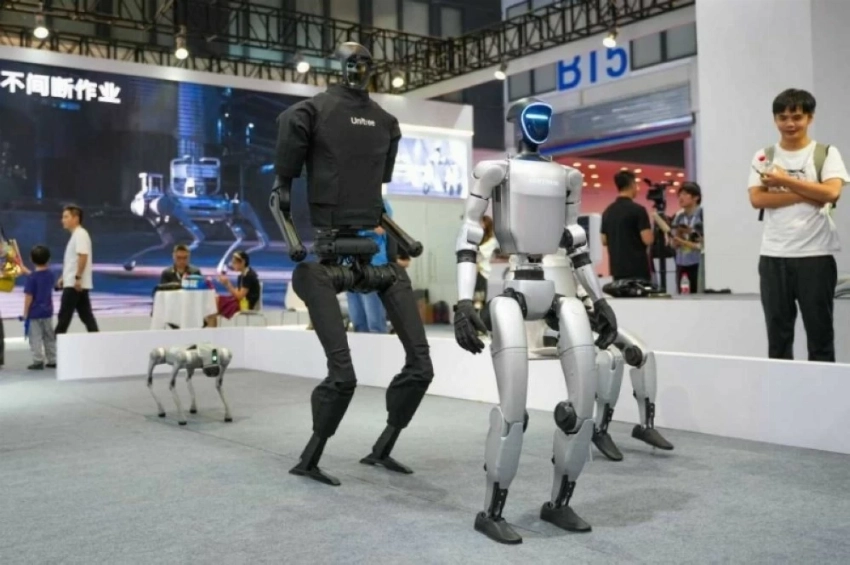
افتتحت الصين مدرسة تدريب مبتكرة مخصصة لتعليم الروبوتات البشرية الشكل مهارات متنوعة، بدءاً من العمل ضمن البيئات الصناعية المعقدة وصولاً إلى تقديم المساعدة في المنازل والأماكن العامة، ويطلق عليها «مركز بكين لتدريب بيانات الروبوتات البشرية»، وذلك في حي شيجينغشان غرب العاصمة بكين.
ويمتد المركز على مساحة تزيد على 10000 متر مربع، ويُصمم خصيصاً ليكون بمثابة «مدرسة» للروبوتات البشرية الشكل، إذ يتعلمون مهارات متنوعة تبدأ من العمل في البيئات الصناعية المعقدة مثل خطوط الإنتاج والتجميع.
ووفقاً للخطة الصينية، فإن المركز يمكّن الروبوت من تقديم الخدمات المنزلية والمساعدة في الأماكن العامة مثل رعاية المسنين، التنظيف، ترتيب الأغراض، وحتى المهمات الدقيقة كطي المناشف أو التقاط الأدوية.
ويمتد المركز على طابقين ويحتوي على 16 سيناريو تدريبياً مختلفاً، تشمل خطوط إنتاج صناعية مصغرة ومحاكاة لمصانع السيارات والتجميع، وبيئات منزلية ذكية مثل غرف معيشة ومطابخ وحمامات، ومتاجر تجزئة.
تصميم يحاكي الواقع بشكل مذهل
ويركز التدريب بشكل أساسي على نموذج «كوافو»، وهو روبوت بشري الشكل بطول 1.66 متر تم تطويره من قبل شركة Leju Robotics في شنتشن، ويرافق كل روبوت مدربان بشريان يعملان معه في «فصول صغيرة» لتعليمه المهارات من خلال التكرار والتوجيه المباشر، مع جمع ملايين نقاط البيانات عالية الجودة التي تغذي نماذج الذكاء الاصطناعي.
وتتبع عملية التدريب نظاماً أكاديمياً، إذ يمكن للروبوتات الالتحاق بتخصصات رئيسية تشمل التصنيع الصناعي، تطبيقات المنزل الذكي، خدمات رعاية المسنين، وسيناريوهات التكامل مع شبكة الجيل الخامس، موزعة على 16 مجالاً دقيقاً، اكتسبت من خلالها أكثر من 20 مهارة تشغيلية بنسبة نجاح تزيد على 95%.
سباق صيني لقيادة عالم الروبوتات البشرية
ووفقاً لوسائل إعلام صينية، بدأت ثمار التدريب تظهر على أرض الواقع، إذ تم نشر عدة روبوتات مدربة في مواقع عمل حقيقية، ما يشير إلى انتقال هذه التكنولوجيا من المختبر إلى التطبيقات العملية اليومية والصناعية.
وتأتي هذه الخطوة ضمن إستراتيجية صينية طموحة للتفوق في مجال الروبوتات البشرية، خصوصاً في مواجهة الولايات المتحدة مثل مشروع Optimus لشركة تسلا.
ويعاني القطاع من نقص حاد في البيانات الموحدة والعالية الجودة، وهو ما يحاول المركز معالجته من خلال إنتاج أكثر من 6 ملايين نقطة بيانات سنوياً، مع ربط المركز بشبكة وطنية تشمل مدناً مثل سوتشو وجينان وهيفي وتشنغتشو.
China has opened an innovative training school dedicated to teaching humanoid robots a variety of skills, ranging from working in complex industrial environments to providing assistance in homes and public places. It is called the "Beijing Center for Humanoid Robot Data Training," located in the Shijingshan district west of the capital, Beijing.
The center spans over 10,000 square meters and is specifically designed to serve as a "school" for humanoid robots, where they learn various skills starting from working in complex industrial environments such as production and assembly lines.
According to the Chinese plan, the center enables robots to provide home services and assistance in public places, such as elderly care, cleaning, organizing items, and even precise tasks like folding towels or picking up medications.
The center extends over two floors and contains 16 different training scenarios, including miniature industrial production lines, simulations of car manufacturing and assembly, smart home environments such as living rooms, kitchens, and bathrooms, as well as retail stores.
A Design That Amazingly Mimics Reality
The training primarily focuses on the "Kuafo" model, a humanoid robot standing 1.66 meters tall, developed by Leju Robotics in Shenzhen. Each robot is accompanied by two human trainers who work with it in "small classes" to teach skills through repetition and direct guidance, while collecting millions of high-quality data points that feed artificial intelligence models.
The training process follows an academic system, allowing robots to enroll in major specializations including industrial manufacturing, smart home applications, elderly care services, and scenarios integrating with 5G networks, distributed across 16 precise fields, through which they have acquired over 20 operational skills with a success rate exceeding 95%.
A Chinese Race to Lead the World of Humanoid Robots
According to Chinese media, the fruits of the training are beginning to show in reality, as several trained robots have been deployed in real work sites, indicating the transition of this technology from the lab to everyday and industrial practical applications.
This step is part of an ambitious Chinese strategy to excel in the field of humanoid robots, especially in the face of the United States, such as Tesla's Optimus project.
The sector suffers from a severe shortage of standardized and high-quality data, which the center aims to address by producing over 6 million data points annually, connecting the center to a national network that includes cities like Suzhou, Jinan, Hefei, and Zhengzhou.