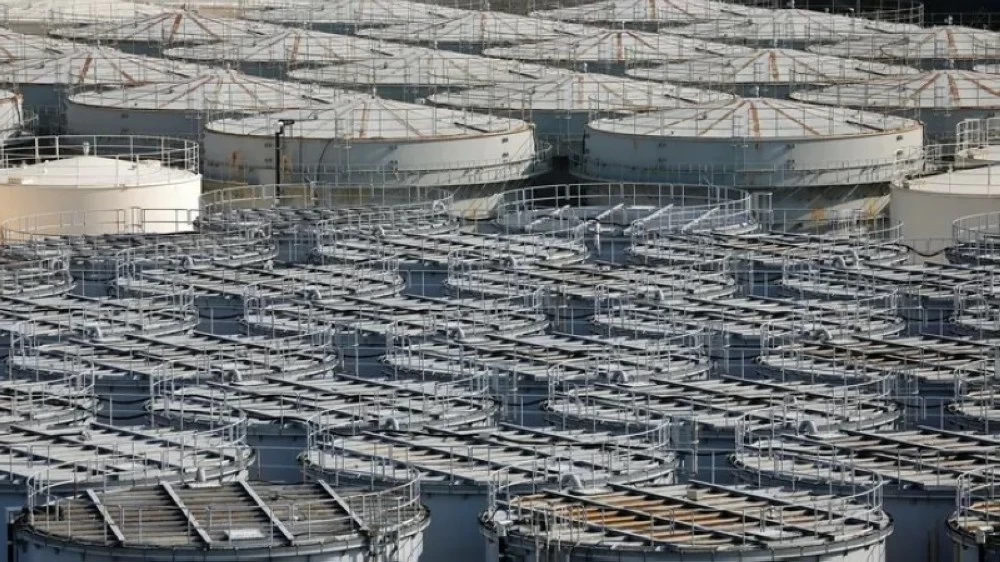
تستعد منطقة نيغاتا اليابانية، للموافقة على إعادة تشغيل أكبر محطة نووية في العالم، وذلك بعد نحو 15 عاما من التوقف.
وذكرت وسائل إعلام يابانية أن محطة كاشيوازاكي-كاريوا، الواقعة على بعد تحو 220 كيلومترا شمال غربي العاصمة طوكيو، كانت من بين 54 مفاعلا تم إغلاقها بعد أن تسبب زلزال وموجات مد عاتية تسونامي في تعطل محطة فوكوشيما دايتشي.
وأضافت أن شركة «طوكيو للطاقة الكهربائية» تدرس إعادة تشغيل أول مفاعل من أصل سبعة مفاعلات بالمحطة في 20 يناير القادم، شريطة الحصول على الموافقات اللازمة.
وأشارت إلى أن اليابان أعادت تشغيل 14 مفاعلا من أصل 33 لا تزال قابلة للتشغيل.
يذكر أن الساحل الشرقي لليابان تعرض في الحادي عشر من مارس 2011 لزلزال عنيف، بلغت قوته 8.9 درجة على مقياس ريختر، ونجم عنه تسونامي في المحيط الهادئ، وترك وراءه أكثر من ألف قتيل ومفقود، فضلا عن تسببه بتدمير للبنية التحتية وفي المحطات النفطية والمحطات النووية، التي من بينها محطة فوكوشيما، وتوقفها عن العمل.
The Niigata region of Japan is preparing to approve the restart of the largest nuclear power plant in the world, after nearly 15 years of shutdown.
Japanese media reported that the Kashiwazaki-Kariwa plant, located about 220 kilometers northwest of Tokyo, was among the 54 reactors that were shut down after an earthquake and tsunami caused the Fukushima Daiichi plant to malfunction.
It added that Tokyo Electric Power Company is considering restarting the first of seven reactors at the plant on January 20, provided that the necessary approvals are obtained.
It was noted that Japan has restarted 14 reactors out of 33 that are still operational.
It is worth mentioning that the eastern coast of Japan was hit by a powerful earthquake on March 11, 2011, with a magnitude of 8.9 on the Richter scale, which resulted in a tsunami in the Pacific Ocean, leaving behind more than a thousand dead and missing, as well as causing destruction to infrastructure and damage to oil and nuclear power plants, including the Fukushima plant, which ceased operations.