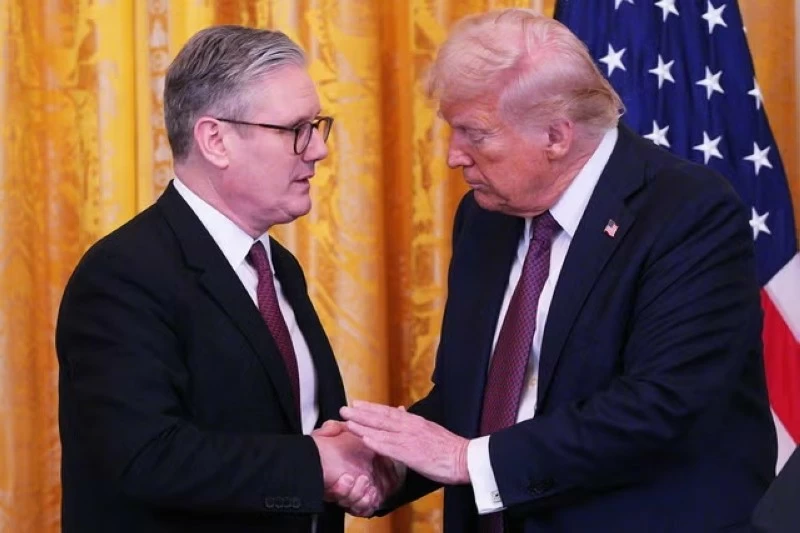
شن الرئيس الأمريكي دونالد ترمب هجوماً شخصياً حاداً على رئيس الوزراء البريطاني كير ستارمر، متهماً إياه بعدم السماح للولايات المتحدة باستخدام القواعد العسكرية البريطانية لشن ضربات استباقية على إيران، وذلك في 3 مناسبات منفصلة خلال 24 ساعة فقط. ووصف ترمب ستارمر بأنه «ليس ونستون تشرشل»، معبراً عن «خيبة أمله الشديدة» في تأخر السماح باستخدام قاعدة «دييغو غارسيا» في المحيط الهندي، وفقاً لتقرير نشرته صحيفة «الغارديان» البريطانية.
وأكد ترمب في تصريحاته أن بريطانيا استغرقت وقتاً طويلاً جداً في تغيير موقفها، رغم أن ستارمر وافق في النهاية على استخدام القواعد لأغراض دفاعية محدودة بعد الضربات الأولية الأمريكية-الإسرائيلية التي أدت إلى مقتل آية الله علي خامنئي، المرشد الأعلى لإيران.
وجاءت هذه الهجمات اللفظية في مقابلة مع صحيفة «ديلي تلغراف»، وتصريحات أخرى للصحافيين، مما يعكس إحباط ترمب من عدم دعم حلفائه الغربيين الكامل للعملية العسكرية.
من جانبه، دافع ستارمر عن قراره الأولي برفض السماح بالضربات الهجومية، مشدداً على الالتزام بالقانون الدولي وتجنب «أخطاء العراق»، كما أكد في تصريحات برلمانية أنه يقف إلى جانب قراره رغم انتقادات ترمب.
يأتي هذا التوتر في سياق التصعيد العسكري الإقليمي الذي اندلع بعد الضربات الأمريكية-الإسرائيلية على إيران، والتي استهدفت منشآت نووية وصاروخية وأسفرت عن مقتل خامنئي، مما أثار مخاوف من حرب إقليمية واسعة.
ورفض ستارمر في البداية السماح للولايات المتحدة باستخدام قواعد بريطانية مثل دييغو غارسيا التي تخضع لاتفاقية مشتركة بين لندن وواشنطن أو قواعد في قبرص أو بريطانيا الرئيسية، مستنداً إلى شكوك قانونية حول شرعية الضربات الهجومية التي تهدف إلى تغيير النظام.
ومع ذلك، غيّر ستارمر موقفه جزئياً يوم 2 مارس، موافقاً على استخدام القواعد لأغراض دفاعية محدودة مثل ضرب مستودعات صواريخ إيرانية، لكنه رفض المشاركة في أي عمليات هجومية.
ويواجه ستارمر ضغوطاً داخلية من نواب حزبه العمالي الذين يطالبون بإدانة الضربات الأمريكية على إيران، بينما يدعم بعض النواب المحافظين موقف ترمب ويصفون ستارمر بـ«الضعيف».
ونقلت الصحيفة البريطانية عن الجنرال السير ريتشارد شيريف القائد السابق رفيع المستوى في حلف الناتو قوله إن بريطانيا لا يمكنها التورط في حرب «بدون نهاية واضحة»، مدافعاً عن كير ستارمر بعد سخرية دونالد ترمب منه، إذ وصف ترمب بأنه «رئيس أمريكي آخر شن حرباً اختيارية»، بينما أصر على أن رئيس الوزراء البريطاني تصرف «بعقلانية» برفضه الانجرار إلى الحرب.
U.S. President Donald Trump launched a sharp personal attack on British Prime Minister Keir Starmer, accusing him of not allowing the United States to use British military bases to carry out preemptive strikes on Iran, doing so on three separate occasions within just 24 hours. Trump described Starmer as "not Winston Churchill," expressing his "deep disappointment" over the delay in allowing the use of the "Diego Garcia" base in the Indian Ocean, according to a report published by the British newspaper "The Guardian."
Trump confirmed in his statements that Britain took far too long to change its position, even though Starmer eventually agreed to use the bases for limited defensive purposes following the initial U.S.-Israeli strikes that resulted in the death of Ayatollah Ali Khamenei, Iran's Supreme Leader.
These verbal attacks came during an interview with the "Daily Telegraph" and other statements to reporters, reflecting Trump's frustration over the lack of full support from his Western allies for the military operation.
For his part, Starmer defended his initial decision to refuse to allow offensive strikes, emphasizing adherence to international law and avoiding "the mistakes of Iraq," and stated in parliamentary remarks that he stands by his decision despite Trump's criticisms.
This tension comes in the context of regional military escalation that erupted after the U.S.-Israeli strikes on Iran, which targeted nuclear and missile facilities and resulted in Khamenei's death, raising fears of a wide regional war.
Starmer initially refused to allow the United States to use British bases like Diego Garcia, which is subject to a joint agreement between London and Washington, or bases in Cyprus or mainland Britain, citing legal doubts about the legitimacy of offensive strikes aimed at regime change.
However, Starmer partially changed his position on March 2, agreeing to use the bases for limited defensive purposes such as striking Iranian missile depots, but he rejected participation in any offensive operations.
Starmer is facing internal pressure from Labour Party MPs who are calling for a condemnation of the U.S. strikes on Iran, while some Conservative MPs support Trump's position and label Starmer as "weak."
The British newspaper quoted General Sir Richard Shirreff, a former senior NATO commander, stating that Britain cannot get involved in a war "without a clear end," defending Keir Starmer after Donald Trump's mockery of him, as Trump described him as "another American president who waged an optional war," while insisting that the British Prime Minister acted "rationally" by refusing to be dragged into war.