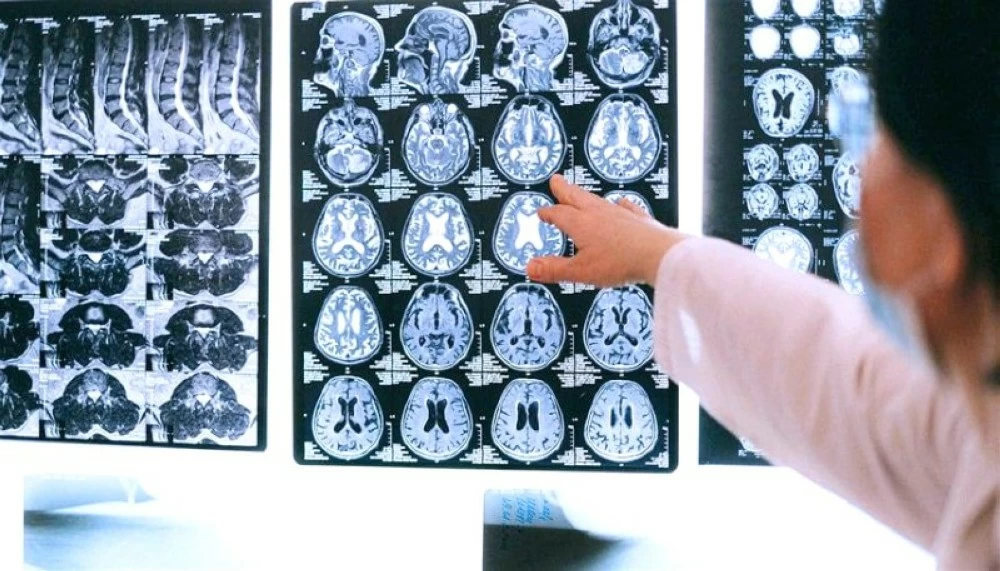
كشفت تجربة علمية حديثة نتائج لافتة لمكملات غذائية في إبطاء نمو أورام سرطان الدماغ، ما فتح باباً جديداً للنقاش العلمي حول دور التغذية العلاجية مسانداً محتملاً للعلاجات التقليدية، وفقاً لما نقله موقع Medical Express المتخصص في الأبحاث الطبية.
وبحسب التقرير، أجرى فريق من الباحثين تجربة معملية ركّزت على تأثير مركبات غذائية محددة في بيئة الورم الدماغي، وأظهرت النتائج أن هذه المكملات ساهمت في تقليل نشاط الخلايا السرطانية وإضعاف قدرتها على التكاثر، خصوصاً في الأورام الشديدة العدوانية مثل الورم الأرومي الدبقي.
وأوضح الباحثون أن آلية التأثير تعود إلى التلاعب بالأيض الخلوي للورم، إذ تعتمد خلايا سرطان الدماغ بشكل كبير على مسارات طاقة معينة، وعند تعطيل هذه المسارات عبر مركبات غذائية مدروسة، تصبح الخلايا أكثر هشاشة وأقل قدرة على الاستمرار.
وأكد التقرير، بحسب Medical Express، أن هذه النتائج لا تعني الاستغناء عن الجراحة أو العلاج الإشعاعي والكيميائي، لكنها تمثل مقاربة تكميلية قد تُحسّن الاستجابة العلاجية وتحدّ من تطور المرض عند دمجها ضمن بروتوكولات علاجية خاضعة للإشراف الطبي.
وشدد الباحثون على أن التجارب ما زالت في مراحلها قبل السريرية، وأن الانتقال إلى الاستخدام البشري يتطلب دراسات سريرية موسعة للتأكد من السلامة والجرعات المثلى، محذرين من الاعتماد الذاتي على المكملات دون استشارة طبية.
وأشار التقرير إلى أن هذا التوجه البحثي يعكس اهتماماً متزايداً عالمياً بتوسيع أدوات مكافحة السرطان، عبر الجمع بين الطب التقليدي والنهج الغذائي القائم على أسس علمية دقيقة، وهو ما قد يفتح آفاقاً جديدة أمام المرضى مستقبلاً.
A recent scientific experiment revealed remarkable results regarding dietary supplements in slowing the growth of brain cancer tumors, opening a new avenue for scientific discussion about the potential role of therapeutic nutrition as a supportive measure alongside traditional treatments, according to the Medical Express website, which specializes in medical research.
According to the report, a team of researchers conducted a laboratory experiment focusing on the impact of specific nutritional compounds in the brain tumor environment. The results showed that these supplements contributed to reducing cancer cell activity and weakening their ability to reproduce, particularly in highly aggressive tumors such as glioblastoma.
The researchers explained that the mechanism of action relates to manipulating the cellular metabolism of the tumor, as brain cancer cells heavily rely on certain energy pathways. When these pathways are disrupted by studied nutritional compounds, the cells become more fragile and less capable of sustaining themselves.
The report confirmed, according to Medical Express, that these results do not imply the abandonment of surgery or radiation and chemotherapy, but rather represent a complementary approach that may enhance therapeutic response and limit disease progression when integrated into treatment protocols under medical supervision.
The researchers emphasized that the experiments are still in their preclinical stages, and transitioning to human use requires extensive clinical studies to ensure safety and optimal dosages, warning against self-reliance on supplements without medical consultation.
The report noted that this research trend reflects a growing global interest in expanding cancer-fighting tools by combining traditional medicine with a scientifically grounded nutritional approach, which could open new horizons for patients in the future.