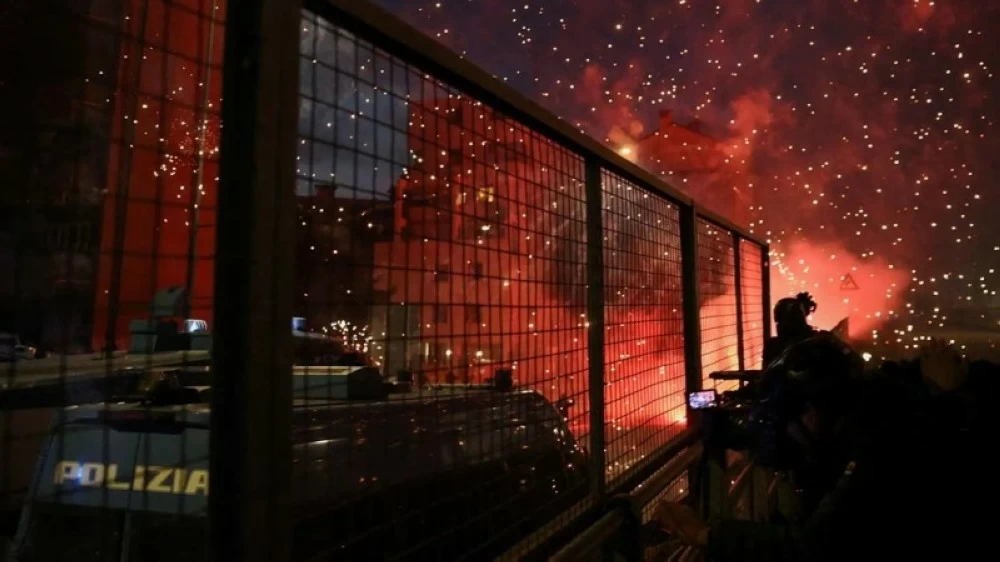
في توقيت بالغ الحساسية، شهدت إيطاليا هجوماً تخريبياً منسقاً استهدف البنية التحتية للسكك الحديدية شمال البلاد، ما أدى إلى شلل واسع في حركة القطارات تزامناً مع أول يوم كامل من منافسات دورة الألعاب الأولمبية الشتوية.
وأعلنت وزارة النقل الإيطالية أن مخربين أضرموا النيران عمداً في منشآت حيوية للسكك الحديدية قرب مدينة بولونيا، في عملية وصفتها بـ«التخريب الخطير»، وسط مؤشرات على تنسيق متعمد بين عدة مواقع.
ووفقاً للشرطة الإيطالية، تم تسجيل ثلاث حوادث منفصلة في مناطق مختلفة، تسببت في تأخير القطارات السريعة وقطارات المسافات الطويلة والإقليمية لمدة وصلت إلى ساعتين ونصف، ما أربك آلاف المسافرين في أحد أكثر أيام السفر ازدحاماً.
وأكدت السلطات أن النيران امتدت إلى مفاتيح تحويل السكك الحديدية قرب مدينة بيسارو المطلة على البحر الأدرياتيكي، بينما تم لاحقاً اكتشاف كابلات كهربائية مقطوعة تُستخدم لرصد سرعة القطارات في بولونيا، إضافة إلى العثور على جهاز تفجير بدائي بجوار أحد الخطوط الحديدية.
واضطرت شركة السكك الحديدية الإيطالية المملوكة للدولة إلى إغلاق محطة القطارات السريعة في بولونيا مؤقتاً، قبل أن تبدأ حركة القطارات بالعودة تدريجياً خلال ساعات بعد الظهر، وسط إجراءات أمنية مشددة.
وتُعد بولونيا مفترق الطرق الأهم في شبكة السكك الحديدية الإيطالية، إذ تربط شرق البلاد بغربها، وتمثل حلقة الوصل الرئيسية بين مدن الجنوب ومراكز الشمال الكبرى مثل ميلانو والبندقية.
وزارة النقل الإيطالية لفتت إلى أن ما جرى يعيد إلى الأذهان الهجمات التي استهدفت شبكة القطارات فائقة السرعة في فرنسا خلال افتتاح أولمبياد باريس 2024، التي تسببت حينها باضطرابات واسعة النطاق.
وقال نائب رئيسة الوزراء ووزير النقل ماتيو سالفيني إن هذه الأفعال «لن تشوه صورة إيطاليا أمام العالم»، مؤكداً أن الألعاب الأولمبية الشتوية «ستُظهر البلاد بصورة أكثر قوة وتنظيماً».
وحتى الآن، لم تعلن أي جهة مسؤوليتها عن الهجمات، بينما تتعامل السلطات معها كعمليات تخريب منسقة تستهدف منشآت سيادية حساسة، في وقت تستعد البلاد لاستقبال ملايين الزوار مع استضافة ميلانو وكورتينا لدورة الألعاب الأولمبية الشتوية.
ولا تزال التحقيقات جارية لكشف منفذي الهجمات ودوافعهم، وسط مخاوف من محاولات جديدة لزعزعة الأمن في واحد من أكثر الأحداث الرياضية العالمية حساسية.
At a highly sensitive time, Italy witnessed a coordinated sabotage attack targeting the railway infrastructure in the north of the country, leading to widespread disruption in train services coinciding with the first full day of the Winter Olympic Games.
The Italian Ministry of Transport announced that vandals deliberately set fire to vital railway facilities near the city of Bologna, in an operation described as "serious sabotage," amid indications of deliberate coordination between several sites.
According to the Italian police, three separate incidents were recorded in different areas, causing delays of up to two and a half hours for high-speed trains, long-distance trains, and regional services, confusing thousands of travelers on one of the busiest travel days.
Authorities confirmed that the fire spread to railway switches near the coastal city of Pesaro on the Adriatic Sea, while later, cut electrical cables used to monitor train speeds were discovered in Bologna, in addition to finding a primitive explosive device next to one of the railway lines.
The state-owned Italian railway company was forced to temporarily close the high-speed train station in Bologna, before train services began to gradually resume during the afternoon hours, amid heightened security measures.
Bologna is considered the most important crossroads in the Italian railway network, connecting the east of the country with the west, and serves as the main link between southern cities and major northern centers such as Milan and Venice.
The Italian Ministry of Transport pointed out that what occurred brings to mind the attacks that targeted the high-speed train network in France during the opening of the Paris 2024 Olympics, which caused widespread disruptions at that time.
Deputy Prime Minister and Minister of Transport Matteo Salvini stated that these actions "will not tarnish Italy's image before the world," emphasizing that the Winter Olympics "will showcase the country in a stronger and more organized light."
So far, no group has claimed responsibility for the attacks, while authorities are treating them as coordinated sabotage operations targeting sensitive sovereign facilities, at a time when the country is preparing to welcome millions of visitors as Milan and Cortina host the Winter Olympic Games.
Investigations are still ongoing to uncover the perpetrators of the attacks and their motives, amid fears of new attempts to undermine security at one of the most sensitive global sporting events.