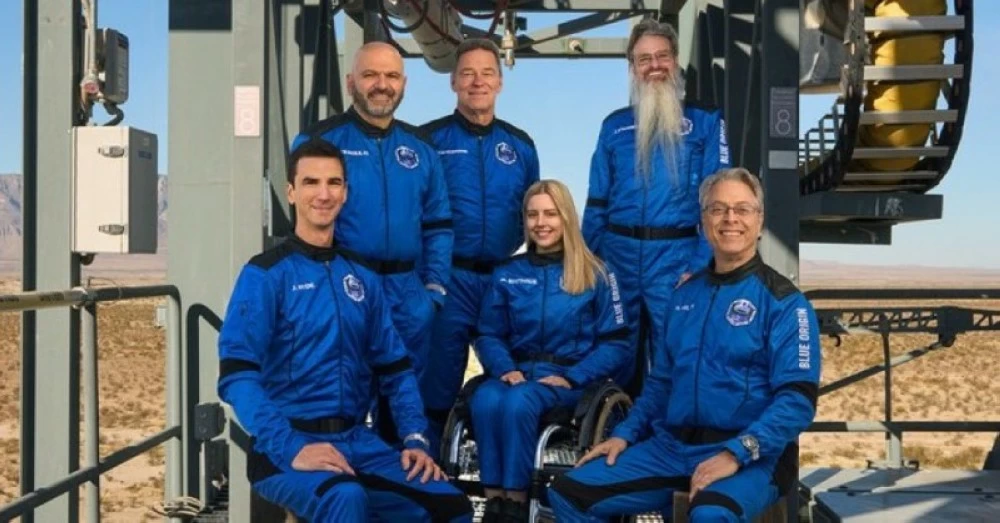
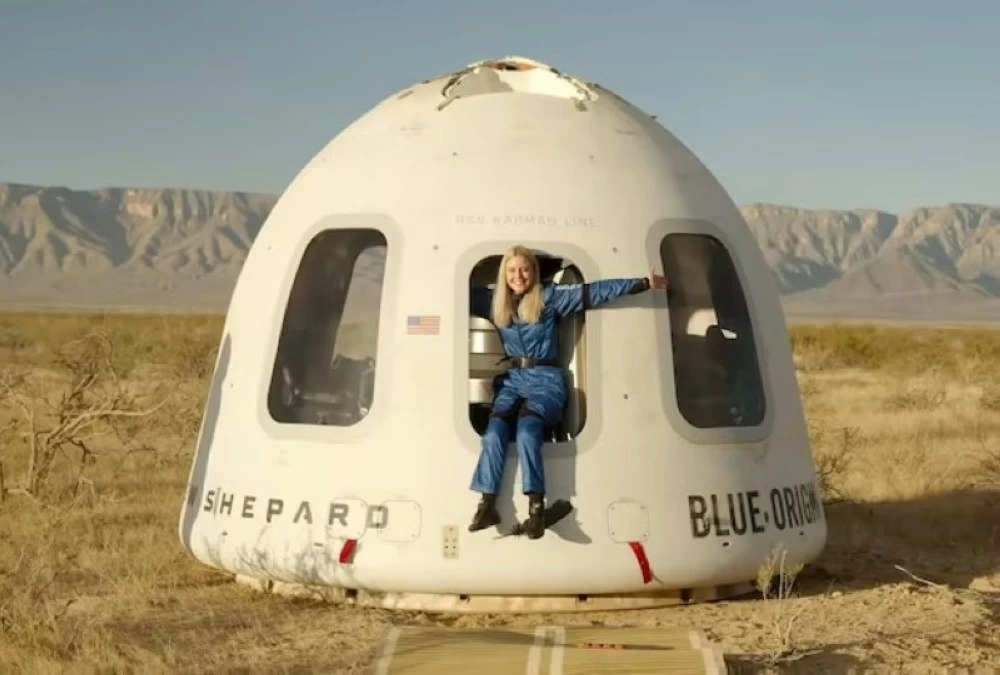
لم يكن الكرسي المتحرك عائقاً هذه المرة، بل نقطة انطلاق. من صحراء تكساس، تركت مهندسة شابة الأرض خلفها، وحققت حلماً بدا يوماً مستحيلاً، لتكتب صفحة جديدة في تاريخ الرحلات الفضائية. انطلقت المهندسة الألمانية ميكايلا بنتهاوس، المصابة بشلل نصفي، في رحلة صاروخية إلى حافة الفضاء برفقة خمسة ركاب آخرين، لتصبح أول مستخدمة كرسي متحرك تصل إلى الفضاء، وفق ما ذكرت صحيفة الغارديان البريطانية.
من حادث إلى حلم مؤجل
أصيبت بنتهاوس بجروح بالغة قبل سبع سنوات إثر حادث دراجة جبلية غيّر مسار حياتها، لكنها لم تتخلَّ عن شغفها بالفضاء. ومن غرب تكساس، حلّقت على متن مركبة «نيو شيبارد» التابعة لشركة بلو أوريجين، المملوكة لجيف بيزوس.
دعم خاص وتنظيم دقيق
رافقها في الرحلة هانز كونيغسمان، المدير التنفيذي المتقاعد من شركة «سبيس إكس»، الذي أسهم في تنظيم الرحلة ورعايتها بالتعاون مع «بلو أوريجين»، دون الكشف عن تكلفة التذاكر.
لحظات انعدام الوزن
قالت بنتهاوس، البالغة من العمر 33 عاماً، إنها قضت الرحلة في حالة من النشوة، ضاحكة طوال الوقت، بينما حلّقت الكبسولة لأكثر من 105 كيلومترات فوق سطح الأرض، وحاولت الانقلاب رأساً على عقب فور دخولها الفضاء.
كبسولة ذاتية القيادة
استغرقت الرحلة نحو 10 دقائق، ولم تتطلب سوى تعديلات بسيطة لتناسب حالتها، بفضل تصميم الكبسولة ذاتية القيادة، التي تراعي سهولة الوصول، بحسب جيك ميلز، مهندس «بلو أوريجين» المشرف على تدريب الطاقم.
هبوط آمن وعودة للكرسي
أضافت الشركة لوحاً خاصاً لنقلها بين الكبسولة والمقعد، وفرش فريق الإنقاذ سجادة على أرض الصحراء بعد الهبوط، لتعود فوراً إلى كرسيها المتحرك الذي تركته عند الإقلاع.
رسالة أبعد من الفضاء
أكدت بنتهاوس أن هدفها لا يقتصر على فتح أبواب الفضاء أمام ذوي الإعاقة، بل توسيع مفهوم الشمولية على الأرض أيضاً، قائلة: «آمل أن أكون مجرد بداية».
«بلو أوريجين» تواصل توسيع الدائرة
برحلة بنتهاوس، ارتفع عدد من أرسلتهم «بلو أوريجين» إلى الفضاء إلى 86 شخصاً، ضمن برنامج أطلقته الشركة منذ أول رحلة مأهولة عام 2021، ضمن طموحات تمتد إلى القمر وما بعده.
The wheelchair was not a barrier this time, but a starting point. From the Texas desert, a young engineer left the ground behind and achieved a dream that once seemed impossible, writing a new page in the history of space travel. German engineer Mikayla Penthouse, who is paralyzed from the waist down, embarked on a rocket journey to the edge of space accompanied by five other passengers, becoming the first wheelchair user to reach space, according to the British newspaper The Guardian.
From an accident to a postponed dream
Penthouse sustained severe injuries seven years ago from a mountain biking accident that changed the course of her life, but she did not give up her passion for space. From West Texas, she soared aboard the "New Shepard" spacecraft operated by Blue Origin, owned by Jeff Bezos.
Special support and precise organization
She was accompanied on the journey by Hans Koenigsmann, the retired executive from SpaceX, who contributed to organizing and sponsoring the flight in collaboration with Blue Origin, without disclosing the ticket costs.
Moments of weightlessness
Penthouse, 33 years old, said she spent the flight in a state of euphoria, laughing the entire time, as the capsule soared over 105 kilometers above the Earth's surface, attempting to flip upside down as soon as they entered space.
Self-driving capsule
The flight lasted about 10 minutes and required only minor adjustments to accommodate her condition, thanks to the design of the self-driving capsule, which considers ease of access, according to Jake Mills, the Blue Origin engineer overseeing crew training.
Safe landing and return to the wheelchair
The company added a special board to transport her between the capsule and the seat, and the rescue team laid a mat on the desert ground after landing, so she could immediately return to her wheelchair that she had left behind at takeoff.
A message beyond space
Penthouse emphasized that her goal is not limited to opening doors to space for people with disabilities, but also to expand the concept of inclusivity on Earth, saying, "I hope to be just the beginning."
Blue Origin continues to expand the circle
With Penthouse's flight, the number of people sent to space by Blue Origin has risen to 86, as part of a program launched by the company since its first crewed flight in 2021, with ambitions extending to the moon and beyond.