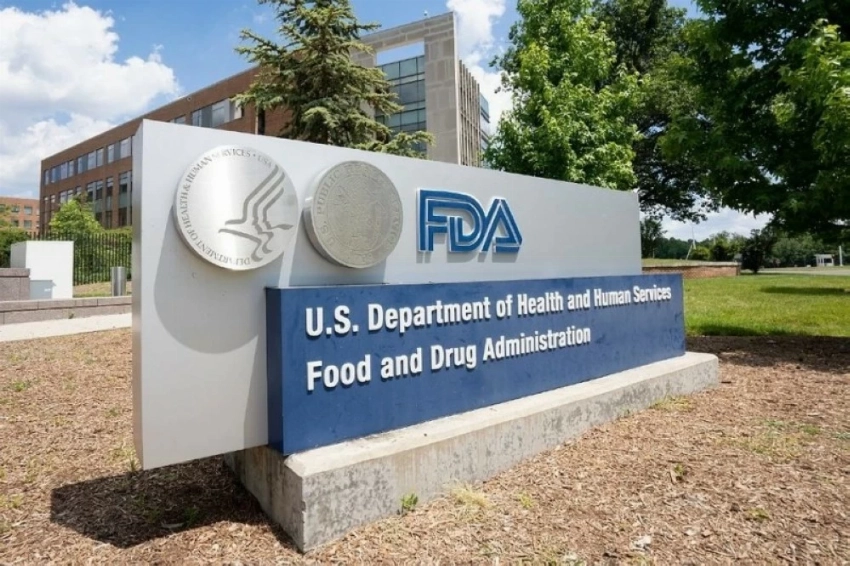
أعلنت إدارة الغذاء والدواء الأمريكية، تصنيف سحب واسع النطاق لمجموعة كبيرة من المنتجات الغذائية المجمدة تحت العلامة التجارية «ديب» للمأكولات الهندية في الفئة الأولى، وهي أعلى درجات الخطورة، مما يعني وجود احتمال معقول بأن يؤدي التعرض للمنتج الملوث إلى عواقب صحية خطيرة أو الوفاة.
يأتي هذا التصنيف الرسمي، بعد أن بدأ السحب الطوعي من قبل الشركة الموزعة «تشيتاك نيويورك المحدودة» في 16 يوليو، ثم وسعته في 9 سبتمبر ليشمل المزيد من المنتجات، بعد التأكد من تسببها في بكتيريا «السالمونيلا».
وتشمل المنتجات الملوثة المحتملة خضراوات مجمدة مثل حبوب الماش المبرعمة والفطر، والفاصوليا الخضراء، ومزيج «سورتي أونديو»، بالإضافة إلى أطباق جاهزة مجمدة، فواكه، ومكونات أخرى.
تحذير عاجل للأمريكيين
وكان قد تم توزيع هذه المنتجات على مستوى الولايات المتحدة بأكملها، وقد تم تصنيع بعضها على معدات مشتركة خلال الفترة من ديسمبر 2024 إلى أغسطس 2025، مما أدى إلى توسيع السحب ليشمل عشرات الأصناف، بما في ذلك أكثر من 3.5 مليون كيس في بعض التقديرات.
جاء السحب بعد تحقيقات مشتركة بين إدارة الغذاء والدواء ومراكز السيطرة على الأمراض والوقاية منها، التي ربطت تفشي بكتيريا السالمونيلا بمنتجات «ديب» المجمدة.
ونصحت السلطات الصحية المستهلكين بفحص الثلاجات والتخلص من أي منتجات تحمل العلامة «ديب» المجمدة المطابقة للأرقام اللوتية المعلنة، أو إرجاعها لاسترداد الأموال، كما أوقفت الشركة إنتاج هذه المنتجات مؤقتاً أثناء التحقيق في مصدر التلوث.
وأسفر التفشي عن إصابة 12 شخصاً في 11 ولاية أمريكية، مع دخول 4 منهم المستشفى، دون تسجيل أي وفيات، انتهى التحقيق في التفشي رسمياً، ولم تعد المنتجات الرئيسية المرتبطة بالإصابات متوفرة في الأسواق.
ما هي بكتيريا السالمونيلا؟
والسالمونيلا هي بكتيريا شائعة تسبب التسمم الغذائي، وتؤدي إلى أعراض مثل الإسهال والذي قد يكون دموياً، الحمى، الغثيان، القيء، وآلام البطن، وتبدأ الأعراض عادة خلال 6 ساعات إلى 6 أيام بعد التعرض، وتستمر 4-7 أيام في معظم الحالات.
وفي الحالات الشديدة، خاصة لدى الأطفال الصغار، كبار السن، أو أصحاب المناعة الضعيفة، قد تنتشر العدوى إلى الدم مسببة مضاعفات خطيرة مثل التهاب الشرايين أو التهاب المفاصل، حيث لا تقتل عملية التجميد البكتيريا، لذا يُنصح دائماً بطهي الخضراوات المجمدة جيداً.
ووفقاً لوسائل إعلام أمريكية يُقدر أن السالمونيلا تسبب ملايين الإصابات سنوياً في الولايات المتحدة، وغالباً ما تكون مرتبطة بمنتجات غذائية ملوثة أثناء الإنتاج أو المعالجة.
The U.S. Food and Drug Administration announced a large-scale recall of a wide range of frozen food products under the "Deep" brand of Indian cuisine, classifying it as a Class I recall, the highest level of severity, which means there is a reasonable probability that exposure to the contaminated product could lead to serious health consequences or death.
This official classification comes after a voluntary recall was initiated by the distributing company "Chitak New York Limited" on July 16, which was then expanded on September 9 to include more products after confirming their association with Salmonella bacteria.
The potentially contaminated products include frozen vegetables such as sprouted mung beans and mushrooms, green beans, a "Surti Undhiyo" mix, as well as frozen ready-to-eat meals, fruits, and other ingredients.
Urgent Warning for Americans
These products were distributed nationwide across the United States, and some were manufactured on shared equipment between December 2024 and August 2025, leading to the recall being expanded to include dozens of varieties, with estimates suggesting over 3.5 million bags involved.
The recall followed joint investigations by the FDA and the Centers for Disease Control and Prevention, which linked the Salmonella outbreak to the frozen "Deep" products.
Health authorities advised consumers to check their freezers and dispose of any frozen products bearing the "Deep" label that match the announced lot numbers, or return them for a refund, while the company has temporarily halted production of these products during the investigation into the source of contamination.
The outbreak resulted in 12 reported illnesses across 11 U.S. states, with 4 individuals hospitalized, but no fatalities recorded. The investigation into the outbreak has officially concluded, and the main products linked to the illnesses are no longer available in the market.
What is Salmonella?
Salmonella is a common bacterium that causes food poisoning, leading to symptoms such as diarrhea, which may be bloody, fever, nausea, vomiting, and abdominal pain. Symptoms typically begin 6 hours to 6 days after exposure and last 4-7 days in most cases.
In severe cases, especially among young children, the elderly, or those with weakened immune systems, the infection may spread to the bloodstream, causing serious complications such as arterial inflammation or arthritis, as freezing does not kill the bacteria; therefore, it is always recommended to cook frozen vegetables thoroughly.
According to U.S. media, Salmonella is estimated to cause millions of infections annually in the United States, often linked to contaminated food products during production or processing.