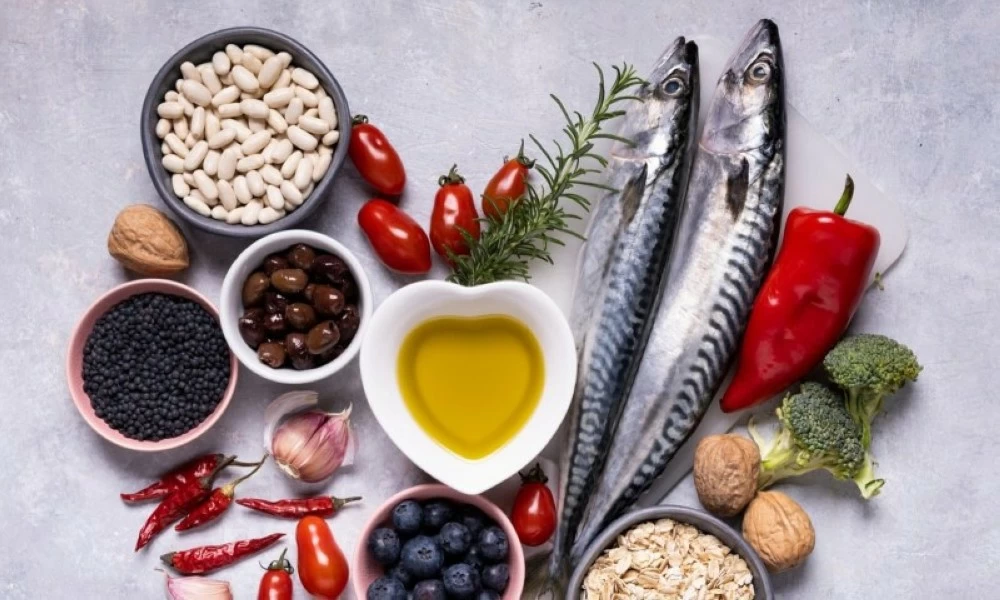
أظهرت دراسة سويدية حديثة نشرت في مجلة Nature Communications أن النظام الغذائي «النوردي» الصحي، الغني بالأسماك والخضروات والتوت والحبوب الكاملة والبقوليات، يمكن أن يقلل بشكل ملحوظ من الآثار الضارة لمرض السكري من النوع الثاني وأمراض الكبد الدهني غير الكحولي، المعروف طبياً باسم مرض الكبد الدهني المرتبط بخلل الأيض (MASLD).
ويختلف مرض الكبد الدهني المرتبط بخلل الأيض عن مشاكل الكبد الناتجة عن الإفراط في شرب الكحول، حيث يحدث بسبب تراكم الدهون الزائدة داخل الكبد، وهو في انتشار متزايد في بريطانيا ودول أخرى، وقد يصيب حتى 40% من السكان دون أعراض واضحة.
تفاصيل الدراسة
وتابع باحثون من جامعة أوبسالا السويدية، بقيادة البروفيسور أولف ريسيروس، أكثر من 150 شخصاً مصابين بالسكري من النوع الثاني أو ما قبل السكري، وقسموهم إلى ثلاث مجموعات؛ الأولى اتبعت نظاماً نباتياً منخفض الكربوهيدرات غنياً بالدهون المتعددة غير المشبعة، والثانية نظاماً نوردياً صحياً، والثالثة استمرت على نظامها الغذائي المعتاد مع الحد من المشروبات المحلاة والحلويات.
وبعد عام كامل دون تقييد السعرات الحرارية، أظهر النظام النوردي تفوقاً في تحسين السيطرة على مستويات السكر في الدم طويل الأمد، وفقدان الوزن، وتقليل الالتهابات، وخفض الكوليسترول الضار، وتحسين إنزيمات الكبد.
كما أدى إلى انخفاض دهون الكبد بنسبة تزيد على 20% لدى مرضى السكري، ودخول أكثر من نصف المصابين بـMASLD في مرحلة الشفاء (الريميشن).
وقال البروفيسور ريسيروس: «أعطى النظام النوردي الصحي أفضل النتائج لدى المشاركين المصابين بالسكري، مع تحسن ملحوظ في السيطرة على الغلوكوز وتقليل دهون الكبد، ما يجعله مهماً بالقدر نفسه لمرضى الكبد الدهني غير الكحولي».
وأضاف الدكتور مايكل فريدن، الباحث الرئيسي: «رغم السماح للمشاركين بتناول ما يشاؤون من الأطعمة الموصى بها، إلا أنهم فقدوا الوزن، وهذا يجعل النظام سهل الالتزام به طويل الأمد مقارنة بأنظمة تقيد السعرات».
ويُعزى التأثير الإيجابي جزئياً إلى ارتفاع استهلاك الشوفان والخبز الكامل والحد من الزبدة، مع فوائد إضافية في خفض الالتهابات، فيما وصف الخبراء النتائج بـ«المهمة»، مشيرين إلى أن النظام النوردي يمكن أن يكون أداة فعالة لإدارة هذه الأمراض المزمنة.
وفي بريطانيا، يعاني 4.6 مليون شخص من السكري المشخص (90% من النوع الثاني)، مع 1.3 مليون حالة غير مشخصة، بينما قد يصيب مرضى الكبد الدهني المرتبط بخلل الأيض واحداً من كل خمسة أشخاص، و80% منهم دون تشخيص.
A recent Swedish study published in Nature Communications has shown that the healthy "Nordic" diet, rich in fish, vegetables, berries, whole grains, and legumes, can significantly reduce the harmful effects of type 2 diabetes and non-alcoholic fatty liver disease, medically known as metabolic dysfunction-associated steatotic liver disease (MASLD).
Metabolic dysfunction-associated steatotic liver disease differs from liver problems caused by excessive alcohol consumption, as it occurs due to the accumulation of excess fat within the liver. It is increasingly prevalent in Britain and other countries, potentially affecting up to 40% of the population without clear symptoms.
Study Details
Researchers from Uppsala University in Sweden, led by Professor Ulf Risérus, followed more than 150 individuals with type 2 diabetes or prediabetes, dividing them into three groups; the first followed a low-carbohydrate plant-based diet rich in polyunsaturated fats, the second adhered to a healthy Nordic diet, and the third continued their usual diet while reducing sweetened beverages and desserts.
After a full year without calorie restriction, the Nordic diet showed superiority in improving long-term blood sugar control, weight loss, reducing inflammation, lowering harmful cholesterol, and improving liver enzymes.
It also led to a reduction in liver fat by more than 20% among diabetic patients, with over half of those with MASLD entering remission.
Professor Risérus stated, "The healthy Nordic diet yielded the best results among participants with diabetes, with a significant improvement in glucose control and a reduction in liver fat, making it equally important for patients with non-alcoholic fatty liver disease."
Dr. Michael Freiden, the lead researcher, added, "Although participants were allowed to eat as much as they wanted from the recommended foods, they lost weight, which makes the diet easier to adhere to long-term compared to calorie-restricted diets."
The positive effect is partly attributed to increased consumption of oats and whole grain bread and a reduction in butter, with additional benefits in lowering inflammation. Experts described the results as "significant," noting that the Nordic diet could be an effective tool for managing these chronic diseases.
In Britain, 4.6 million people have diagnosed diabetes (90% of which is type 2), with 1.3 million undiagnosed cases, while metabolic dysfunction-associated steatotic liver disease may affect one in five people, with 80% of them undiagnosed.