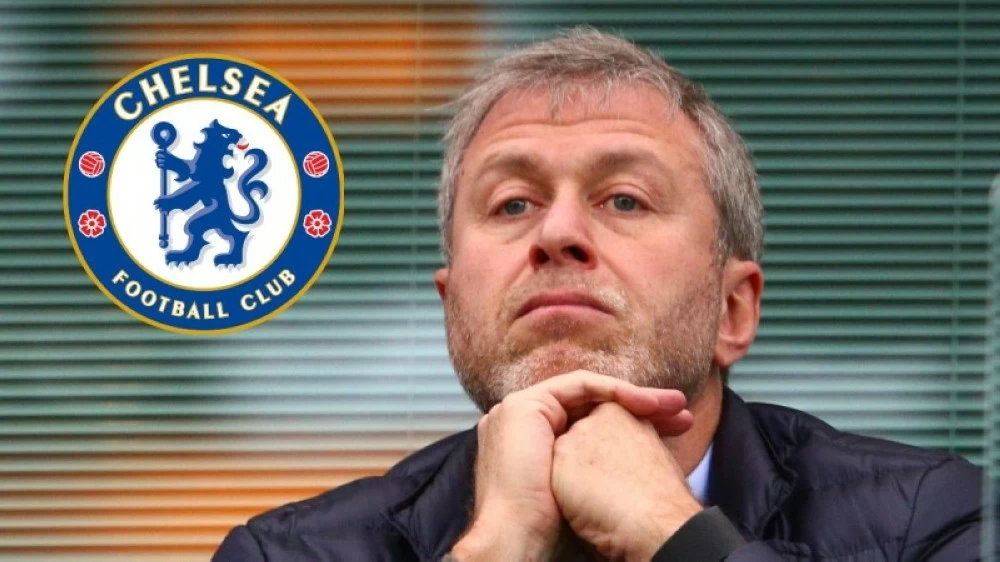
رومان أبراموفيتش، الملياردير الروسي ومالك نادي تشيلسي السابق، يجد نفسه مجدداً في قلب قضية تجمع بين الرياضة والسياسة والالتزامات الإنسانية. بعد 3 أعوام من بيع النادي اللندني مقابل 2.5 مليار جنيه إسترليني، لا تزال الأموال مجمدة في بنك بريطاني، بينما يطالب رئيس الوزراء البريطاني السير كير ستارمر بتحويلها لدعم ضحايا الحرب في أوكرانيا، مع تحذير بإمكانية اللجوء إلى القضاء في حال عدم التنفيذ.
الصفقة، التي تمت في مايو 2022، أنهت حقبة طويلة من ملكية أبراموفيتش لنادي تشيلسي، شهدت خلالها البطولات المحلية والأوروبية وارتفاع قيمة النادي إلى مستويات قياسية. إلا أن خلف الكواليس، تعقدت الأمور بسبب خلاف حول كيفية استخدام الأموال. الحكومة البريطانية ترى أنها يجب أن تذهب حصرياً لأغراض إنسانية داخل أوكرانيا، بينما يرى أبراموفيتش أنها ينبغي أن تشمل جميع ضحايا الحرب، وهو ما يشمل تفسيراً أوسع للاستخدام، بما في ذلك المتضررين الروس، ما أدى إلى تأجيل تحويل المبلغ رغم صدور ترخيص رسمي يسمح بذلك.
الأزمة المالية لم تبقَ محصورة بين أبراموفيتش والحكومة فقط. المراقبون يشيرون إلى أن التأخير في صرف الأموال منع وصول مساعدات عاجلة لمن يحتاجها، في حين يرى مستشارون قانونيون أن أي إجراءات قضائية قد تخلق سابقة جديدة في كيفية التعامل مع الأصول المجمدة لأشخاص خاضعين للعقوبات، ما يجعل القضية محل متابعة دولية دقيقة.
بالنسبة لعشاق كرة القدم، تظل صفقة بيع تشيلسي من أبرز الصفقات في العقد الأخير، ليس فقط لقيمتها المالية، بل لما تمثله من انعكاس العلاقة المعقدة بين الرياضة والالتزامات الاجتماعية والسياسية للمالكين. إدارة النادي الجديدة تواصل العمل على استقرار الفريق والمنافسة في البطولات المحلية والأوروبية، بينما تظل قصة الأموال المخصصة للإغاثة الإنسانية محور اهتمام عالمي، يجمع بين المستطيل الأخضر وقرارات المصارف والحكومات.
القضية تثير نقاشات أوسع حول مسؤولية المليارديرات في الرياضة تجاه المجتمع، خصوصاً عندما تتقاطع ملكية الأندية مع العقوبات الدولية والسياسات الخارجية للدول. وفي قلب هذا التوتر، يظل أبراموفيتش صامتاً، بينما العالم يترقب ما إذا كانت وعوده ستتحول إلى أفعال، أم ستظل أموال تشيلسي، التي أثارت إعجاب الجماهير، جزءاً من نزاع قانوني وسياسي أطول من أي مباراة على أرض الملعب.
Roman Abramovich, the Russian billionaire and former owner of Chelsea FC, finds himself once again at the center of a case that intertwines sports, politics, and humanitarian obligations. Three years after selling the London club for £2.5 billion, the funds remain frozen in a British bank, while British Prime Minister Sir Keir Starmer demands their transfer to support war victims in Ukraine, with a warning of possible legal action if not implemented.
The deal, which took place in May 2022, ended a long era of Abramovich's ownership of Chelsea, during which the club witnessed domestic and European championships and a rise in its value to record levels. However, behind the scenes, matters became complicated due to a dispute over how the funds should be used. The British government believes they should go exclusively for humanitarian purposes within Ukraine, while Abramovich argues that they should include all war victims, which encompasses a broader interpretation of use, including affected Russians, leading to a delay in the transfer of the amount despite an official license allowing it.
The financial crisis has not remained confined to just Abramovich and the government. Observers point out that the delay in disbursing the funds has prevented urgent aid from reaching those in need, while legal advisors believe that any legal actions could create a new precedent in how to deal with frozen assets of individuals subject to sanctions, making the case a subject of close international scrutiny.
For football fans, the sale of Chelsea remains one of the most significant deals in the last decade, not only for its financial value but also for what it represents in reflecting the complex relationship between sports and the social and political obligations of owners. The new club management continues to work on stabilizing the team and competing in domestic and European competitions, while the story of the funds allocated for humanitarian relief remains a focal point of global interest, bridging the green pitch and the decisions of banks and governments.
The case raises broader discussions about the responsibility of billionaires in sports towards society, especially when club ownership intersects with international sanctions and foreign policies of nations. At the heart of this tension, Abramovich remains silent, while the world watches to see if his promises will turn into actions, or if Chelsea's funds, which have captivated fans, will remain part of a legal and political dispute longer than any match on the field.