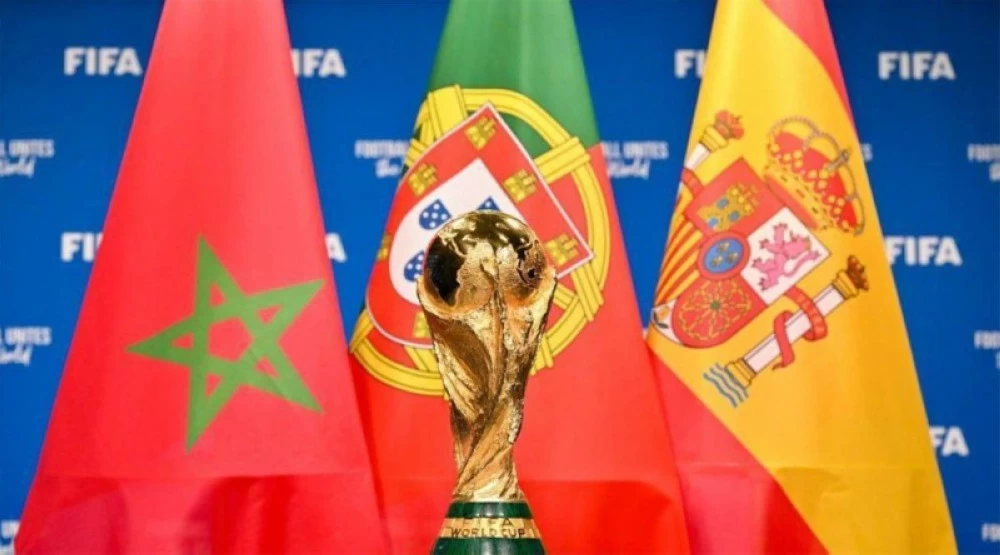
في تطور لافت يعكس حسم الاتحاد الدولي لكرة القدم «فيفا» ملامح الوجهة الرئيسية لأبرز حدث في بطولة كأس العالم 2030، كشفت صحيفة «آس» الإسبانية تفضيلاً قوياً داخل أروقة «فيفا» لإقامة المباراة النهائية على ملعب سانتياغو برنابيو بالعاصمة مدريد يوم 21 يوليو 2030.
وأشارت الصحيفة الإسبانية الشهيرة أن هذا التوجه داخل «فيفا» يرجح كفة إسبانيا بشكل كبير لاحتضان النهائي، وسط منافسة محتملة من ملعبي كامب نو في برشلونة وملعب الحسن الثاني الجديد في الدار البيضاء بالمغرب.
ووفقاً للتقرير، يأتي هذا التفضيل مدعوماً بعلاقة ممتازة بين رئيس «فيفا» جياني إنفانتينو ورئيس ريال مدريد فلورنتينو بيريز، والتي ساهمت في حل العقبات اللوجستية السابقة، مثل شرط «إعارة» الملعب لـ3 أشهر.
كما أشاد «فيفا» بقدرة البرنابيو على استضافة أحداث عالمية كبرى، مثل مباريات الدوري الأمريكي لكرة القدم الاحترافية، مما يعزز موقعه كخيار مرغوب وضروري للنهائي.
الجوانب التنظيمية
وركز التقييم الشامل لـ«فيفا» على الجوانب التنظيمية، البنية التحتية المتطورة، والتاريخ العريق للملعب، الذي استضاف بالفعل نهائي كأس العالم 1982 وهو النهائي الذي فاز فيه المنتخب الإيطالي على ألمانيا 3-1.
وجعلت التحديثات الشاملة التي خضع لها البرنابيو أخيراً -بما في ذلك السقف القابل للطي، الشاشة 360 درجة، والتقنيات الحديثة- يتوافق تماماً مع أعلى المعايير العالمية، متفوقاً على المنافسين في الجاهزية الفورية والرمزية العالمية.
ويعتبر كأس العالم 2030 النسخة الـ24، وتُعد استثنائية كونها تحتفل بالذكرى المئوية لأول بطولة عام 1930 في أوروغواي، والتي ستقام بشكل مشترك بين المغرب والبرتغال وإسبانيا، مع 3 مباريات تذكارية في أمريكا الجنوبية (أوروغواي والأرجنتين وباراغواي).
وتقدم إسبانيا تقدم 11 ملعباً، والمغرب 6، والبرتغال 3، مع قائمة إجمالية تصل إلى 20 ملعباً قد تُقلص لاحقاً.
ورغم أن القرار الرسمي لن يُعلن إلا نهاية 2026، يرى «فيفا» إسبانيا كعمود فقري للمشروع بفضل خبرتها وعدد الملاعب، مما يجعل النهائي في مدريد خياراً إستراتيجياً، في حين أن المنافسة لا تزال قائمة، خصوصاً مع طموح المغرب في استضافة نهائي قاري ثانٍ بعد 2010، على ملعب الحسن الثاني الضخم (115 ألف متفرج) الذي يُبنى حالياً.
In a striking development that reflects FIFA's decisive stance on the main venue for the most significant event of the 2030 World Cup, the Spanish newspaper "AS" revealed a strong preference within FIFA for holding the final match at the Santiago Bernabéu Stadium in the capital, Madrid, on July 21, 2030.
The famous Spanish newspaper indicated that this direction within FIFA significantly favors Spain to host the final, amidst potential competition from the Camp Nou in Barcelona and the new Hassan II Stadium in Casablanca, Morocco.
According to the report, this preference is supported by an excellent relationship between FIFA President Gianni Infantino and Real Madrid President Florentino Pérez, which has helped resolve previous logistical obstacles, such as the requirement to "loan" the stadium for three months.
FIFA also praised the Bernabéu's ability to host major global events, such as matches in the professional Major League Soccer, enhancing its position as a desirable and necessary option for the final.
Organizational Aspects
The comprehensive evaluation by FIFA focused on organizational aspects, advanced infrastructure, and the stadium's rich history, which has already hosted the 1982 World Cup final, where the Italian national team defeated Germany 3-1.
The extensive updates that the Bernabéu has recently undergone—including the retractable roof, 360-degree screen, and modern technologies—fully align it with the highest global standards, surpassing competitors in immediate readiness and global symbolism.
The 2030 World Cup is the 24th edition and is exceptional as it celebrates the centenary of the first tournament held in 1930 in Uruguay, which will be jointly hosted by Morocco, Portugal, and Spain, with three commemorative matches in South America (Uruguay, Argentina, and Paraguay).
Spain offers 11 stadiums, Morocco 6, and Portugal 3, with a total list reaching 20 stadiums that may be reduced later.
Although the official decision will not be announced until the end of 2026, FIFA sees Spain as the backbone of the project due to its experience and the number of stadiums, making the final in Madrid a strategic option, while competition remains, especially with Morocco's ambition to host a second continental final after 2010, at the massive Hassan II Stadium (115,000 spectators) currently under construction.