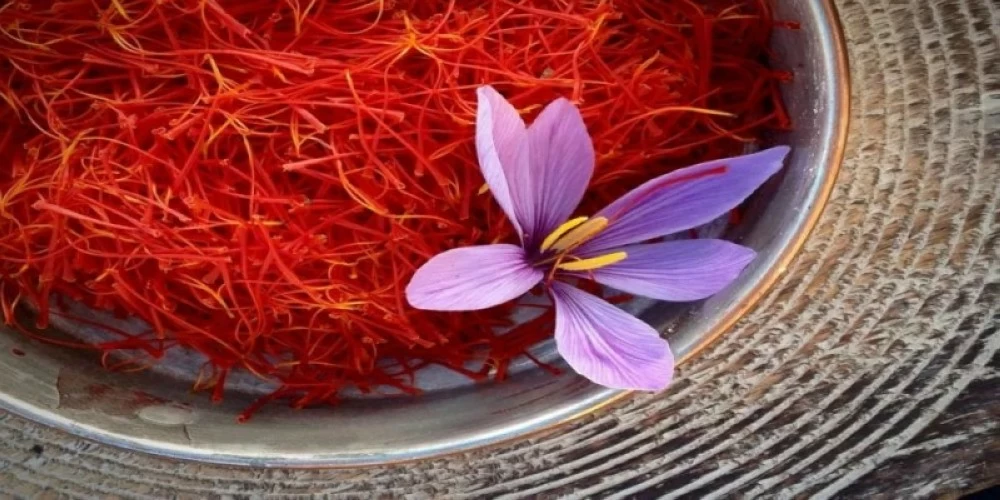
يُعرف الزعفران باسم «الذهب الأحمر»، ليس فقط بسبب لونه المميز وندرته، بل أيضًا لقيمته العلاجية التي امتدت لقرون في الثقافات الشرقية والغربية. وتشير دراسات حديثة إلى أن دمجه في النظام الغذائي قد يمنح الجسم فوائد صحية متعددة، تشمل تحسين المزاج، وتعزيز جودة النوم، وحماية القلب، والمساعدة في إدارة الوزن.
في مجال الصحة النفسية، تحتوي خيوط الزعفران على مركبات نشطة مثل «كروسن» و«سافرنال»، التي تساعد على رفع مستويات النواقل العصبية المسؤولة عن الشعور بالرفاه، مثل السيروتونين والدوبامين والنورإبينفرين. وقد أظهرت مراجعات علمية أن الزعفران يقلل أعراض القلق والاكتئاب، وقد يقارن تأثيره مع بعض مضادات الاكتئاب الدوائية، لكنه يتميز بآثار جانبية أقل وطابع طبيعي أكثر.
أما صحة العين، فتبدو النتائج واعدة أيضًا. إذ أظهرت عدة دراسات أن تناول مكملات الزعفران يوميًا قد يحسن الرؤية لدى المصابين بالضمور البقعي المرتبط بالعمر واعتلال الشبكية السكري، ويساهم في خفض ضغط العين لدى مرضى الغلوكوما، بينما تساعد مضادات الأكسدة فيه على حماية الخلايا البصرية من التلف.
كما يمتاز الزعفران بتحسين جودة النوم، حيث يطيل مدة النوم ويحسن نوعيته عبر تحفيز مستقبلات النوم في الدماغ وزيادة إفراز هرمون الميلاتونين المنظم للدورة اليومية، ما يجعله خيارًا طبيعيًا لمن يعانون من الأرق أو اضطرابات النوم المرتبطة بالتوتر.
وفي ما يخص صحة القلب، تشير الدراسات إلى أن الزعفران قد يساعد في خفض ضغط الدم، وتحسين مستويات السكر، وتقليل الكوليسترول الكلي والضار، بالإضافة إلى تعزيز كفاءة الجهاز الدوري بشكل عام، مما يجعله مكملاً مساعدًا للعلاج الطبي الوقائي عند استشارة الطبيب.
كما يمكن للزعفران المساهمة في إدارة الوزن، إذ أظهرت بعض الدراسات قدرته على تقليل الشهية والرغبة في تناول الوجبات الخفيفة بين الوجبات، مما يساهم في تقليل مؤشر كتلة الجسم ومحيط الخصر، خاصة لدى المراهقين والأشخاص المصابين بالسمنة وأولئك الذين يعانون من أمراض قلبية، رغم ضرورة إجراء مزيد من الدراسات قبل اعتماده كعلاج للسمنة.
الزعفران غني بمضادات الأكسدة والمعادن المهمة مثل المنغنيز، ويتوافر بعدة أشكال: كبسولات، ومستخلصات، وأقراص، وسوائل، ومسحوق، وشاي عشبي، كما يُستخدم في صناعة بعض مستحضرات العناية بالبشرة.
مع ذلك، يحذر الأطباء من استخدام الزعفران لدى النساء الحوامل بسبب احتمال تحفيزه للانقباضات، والمرضعات لعدم وجود دراسات كافية حول أمانه، كما قد يتفاعل مع مميّعات الدم وأدوية المزاج والنوم. ويؤكد الخبراء أن الإفراط في تناوله قد يسبب دوارًا، وغثيانًا، وقيئًا أو إسهالًا، بينما تعد الجرعات تحت خمسة غرامات يوميًا آمنة للبالغين الأصحاء.
وفي المحصلة، لا يُعد الزعفران مجرد توابل فاخرة، بل مكونًا طبيًا غنيًا بالخصائص العلاجية، يمتد تأثيره من الصحة النفسية إلى النوم، والقلب، وإدارة الوزن، شرط الالتزام بالجرعات المعتدلة والاستخدام الواعي مع استشارة الطبيب عند الحاجة.
Saffron is known as "red gold," not only because of its distinctive color and rarity but also for its therapeutic value that has spanned centuries in both Eastern and Western cultures. Recent studies suggest that incorporating it into the diet may provide the body with multiple health benefits, including mood enhancement, improved sleep quality, heart protection, and assistance in weight management.
In the field of mental health, saffron threads contain active compounds such as "crocins" and "safranal," which help elevate the levels of neurotransmitters responsible for feelings of well-being, such as serotonin, dopamine, and norepinephrine. Scientific reviews have shown that saffron reduces symptoms of anxiety and depression, and its effects may compare to some pharmaceutical antidepressants, but it is characterized by fewer side effects and a more natural profile.
As for eye health, the results also appear promising. Several studies have shown that daily consumption of saffron supplements may improve vision in individuals with age-related macular degeneration and diabetic retinopathy, and contribute to lowering intraocular pressure in glaucoma patients, while the antioxidants in it help protect visual cells from damage.
Saffron is also noted for improving sleep quality, as it extends sleep duration and enhances its quality by stimulating sleep receptors in the brain and increasing the secretion of the melatonin hormone that regulates the daily cycle, making it a natural option for those suffering from insomnia or sleep disorders related to stress.
Regarding heart health, studies indicate that saffron may help lower blood pressure, improve sugar levels, and reduce total and harmful cholesterol, in addition to enhancing overall circulatory efficiency, making it a helpful supplement for preventive medical treatment when consulting a doctor.
Saffron can also contribute to weight management, as some studies have shown its ability to reduce appetite and cravings for snacks between meals, which helps decrease body mass index and waist circumference, especially among teenagers, individuals with obesity, and those suffering from heart diseases, although further studies are needed before it is adopted as a treatment for obesity.
Saffron is rich in antioxidants and essential minerals like manganese, and it is available in various forms: capsules, extracts, tablets, liquids, powder, and herbal tea, and it is also used in the production of some skincare products.
However, doctors warn against using saffron in pregnant women due to the possibility of stimulating contractions, and in nursing mothers due to insufficient studies on its safety, as it may interact with blood thinners and mood and sleep medications. Experts confirm that excessive consumption may cause dizziness, nausea, vomiting, or diarrhea, while doses under five grams per day are considered safe for healthy adults.
In conclusion, saffron is not just a luxurious spice but a medicinal ingredient rich in therapeutic properties, with effects extending from mental health to sleep, heart health, and weight management, provided that moderate doses are adhered to and conscious use is practiced with medical consultation when necessary.