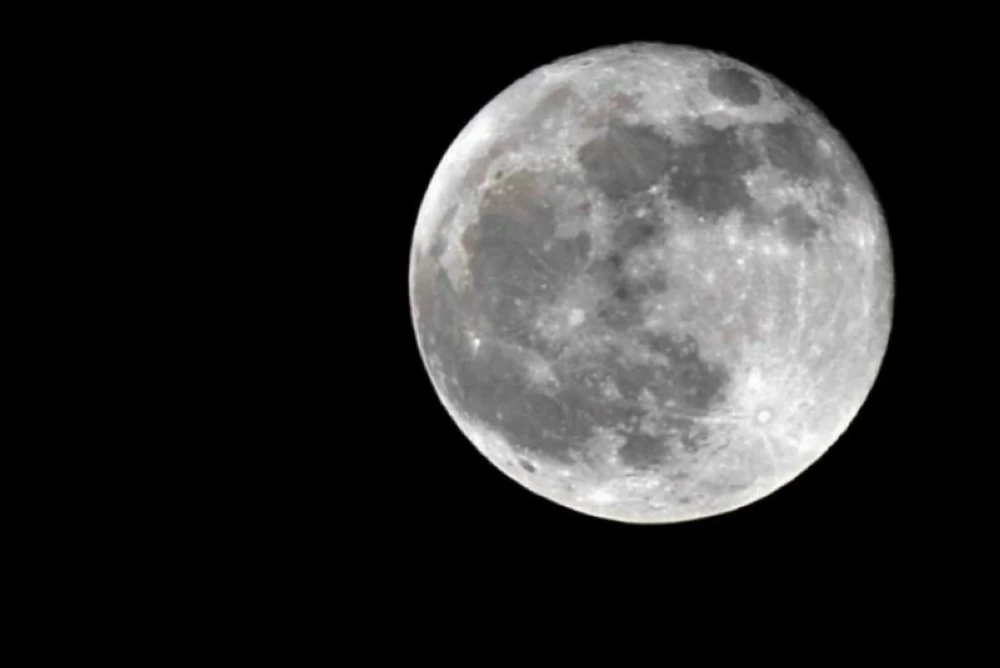
تشهد سماء المملكة والعالم العربي اليوم اكتمال القمر العملاق الثالث والأخير لهذا العام، حيث سيكون حجمه الظاهري أكبر بنحو 7 - 8% وأكثر إضاءة بنحو 15 - 16% مقارنة بمتوسط أقمار البدر الشهرية.
سيشرق بعد غروب الشمس
وأفاد رئيس الجمعية الفلكية بجدة المهندس ماجد أبو زاهرة بأن القمر العملاق سيشرق بعد غروب الشمس من الأفق الشرقي وقد يظهر باللون الوردي أو البرتقالي بسبب تشتت الضوء في الغلاف الجوي، حيث تتشتت الأطوال الموجية القصيرة (الأزرق) ويبقى الضوء الأحمر طويل الموجة الذي يصل إلى أعيننا وهو نفس السبب الذي يجعل الشمس عند الغروب تظهر بلون محمر.
لن يكون ملحوظًا بالعين المجردة
وقال: «إن القمر العملاق يحدث عندما يكون البدر قريبًا من نقطة الحضيض في مداره حول الأرض، واليوم ستكون المسافة بين الأرض والقمر حوالي (357,219) كيلومترًا، ما يجعله ضمن تصنيف القمر العملاق، ولكن الاختلاف في الحجم الظاهري عن بقية البدور ولن يكون ملحوظًا بالعين المجردة والتأثيرات على الأرض محدودة، ويقتصر الأمر على ظاهرة المد العالي الحضيضي دون أي تأثير على توازن الطاقة الداخلية للكوكب».
وأشار إلى أن القمر يكتمل عند الساعة 02:14 فجر الجمعة 5 ديسمبر بتوقيت مكة ويكون في الجهة المقابلة للشمس (زاوية 180 درجة)، وهذا التوقيت مناسب جدًا لمراقبة الفوهات المشعة على سطح القمر من خلال مناظير صغيرة أو تلسكوبات، إذ تكون بعض التضاريس مسطحة بسبب سقوط ضوء الشمس عليها، بينما تتألق الفوهات الحديثة مثل: فوهة تيخو بأشعتها الممتدة لمئات الكيلومترات.
إمكانية تصويره بكاميرات رقمية
ولفت أبو زاهرة النظر إلى أنه يمكن رصد القمر العملاق بأفضل شكل، باستخدام منظار صغير أو تلسكوب مع إمكانية تصويره بكاميرات رقمية أو هواتف مزودة بعدسات تكبير مثبتة على حامل ثلاثي القوائم للحصول على صور جذابة، وخلال الأيام القادمة سيشرق القمر تدريجيًا في وقت متأخر كل يوم وبعد بضعة أيام سيكون مشاهدًا فقط في سماء الفجر والصباح الباكر ليصل بعد أسبوع تقريبًا إلى طور التربيع الأخير.
The sky of the Kingdom and the Arab world witnesses today the completion of the third and final supermoon of this year, where its apparent size will be about 7 - 8% larger and about 15 - 16% brighter compared to the average monthly full moons.
It will rise after sunset
The head of the Astronomical Society in Jeddah, Engineer Majid Abu Zahra, stated that the supermoon will rise after sunset from the eastern horizon and may appear pink or orange due to the scattering of light in the atmosphere, where shorter wavelengths (blue) are scattered, leaving the longer red wavelengths that reach our eyes, which is the same reason the sun appears reddish at sunset.
It will not be noticeable to the naked eye
He said: "The supermoon occurs when the full moon is close to the perigee point in its orbit around the Earth, and today the distance between the Earth and the moon will be about (357,219) kilometers, which places it in the supermoon classification. However, the difference in apparent size from other full moons will not be noticeable to the naked eye, and the effects on Earth are limited, confined to the phenomenon of high spring tides without any impact on the planet's internal energy balance."
He noted that the moon will be full at 02:14 AM on Friday, December 5, Mecca time, and will be on the opposite side of the sun (at a 180-degree angle). This timing is very suitable for observing the illuminated craters on the moon's surface through small binoculars or telescopes, as some terrains will appear flat due to sunlight falling on them, while the recent craters, such as Tycho crater, will shine with rays extending for hundreds of kilometers.
Possibility of photographing it with digital cameras
Abu Zahra pointed out that the supermoon can be best observed using a small telescope or binoculars, with the possibility of photographing it with digital cameras or phones equipped with zoom lenses mounted on a tripod to obtain attractive images. In the coming days, the moon will gradually rise later each day, and after a few days, it will only be visible in the dawn and early morning sky, reaching the last quarter phase in about a week.