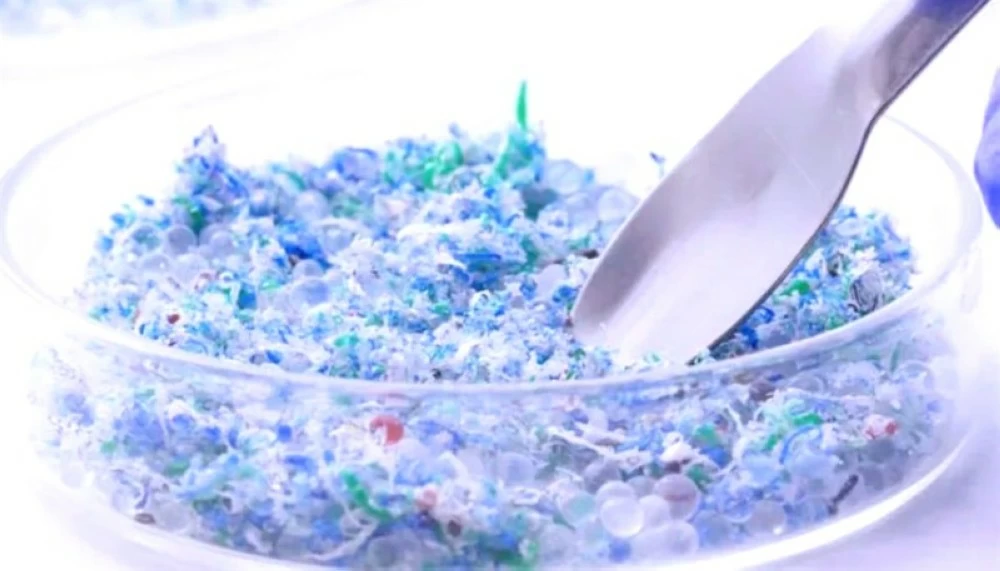
فريق بحثي في Rutgers University الأمريكي، يقدّم حلاً مبتكراً لأزمة التلوث البلاستيكي عبر تصميم بلاستيك قابل لـ«التفكّك المبرمج»، بهدف تحفيز تحلّله ذاتياً بعد فترة محددة دون الحاجة إلى مواد كيميائية إضافية.
من خلال تغيير هندسة روابط البوليمر، بحيث تُصبح قابلة للانقسام عند التعرض لعوامل مثل الضوء أو المعادن أو الماء، تمكن الباحثون من ضبط «عمر» المادة البلاستيكية مبرمَجاً — أيام أو شهور أو سنوات — بحسب الاستخدام المطلوب.
المواد البلاستيكية الناتجة حافظت على متانتها أثناء الاستعمال، ثم انهارت في ظروف عادية بعد مرور الفترة المقرّرة، ما يقلل من تراكم النفايات ويمنع استمرارها قروناً في البيئة.
الابتكار لا يعتمد مركبات كيميائية خطرة، بل يستمد الفكرة من طبيعة البوليمرات في الكائنات الحيّة التي تتحلّل طبيعياً بعد أداء وظيفتها، ما يعني تحوّلاً جذرياً في تصميم المواد البلاستيكية من «دائمة» إلى «مؤقتة». ويأمل الباحثون، أن تُستخدم هذه التقنية في إنتاج عبوات تغليف قصيرة العمر، أدوات يستغرق استخدامها وقتاً محدوداً، أو حتى مكوّنات صناعية تدوم سنوات ثم تتحلّل بعد انتهاء غرضها.
مع ذلك، لا تزال هذه المواد في مرحلة الاختبار المعملي، ويتطلب الأمر مزيداً من الأبحاث للتأكد من أمان المنتجات والتحقّق من أن نواتج التحلّل غير ضارّة بيئياً.
A research team at Rutgers University in the United States presents an innovative solution to the plastic pollution crisis through the design of a "programmable degradation" plastic, aimed at stimulating its self-decomposition after a specified period without the need for additional chemicals.
By altering the engineering of polymer bonds to make them susceptible to breakdown when exposed to factors such as light, metals, or water, the researchers were able to program the "lifetime" of the plastic material—days, months, or years—according to the intended use.
The resulting plastics maintained their durability during use, then collapsed under normal conditions after the designated period, reducing waste accumulation and preventing it from persisting for centuries in the environment.
This innovation does not rely on hazardous chemical compounds but draws inspiration from the nature of polymers in living organisms that decompose naturally after fulfilling their function, representing a radical shift in plastic material design from "permanent" to "temporary." The researchers hope that this technology will be used to produce short-lived packaging, tools with limited usage time, or even industrial components that last for years and then decompose after their purpose is fulfilled.
However, these materials are still in the laboratory testing phase, and further research is needed to ensure the safety of the products and verify that the degradation byproducts are environmentally harmless.