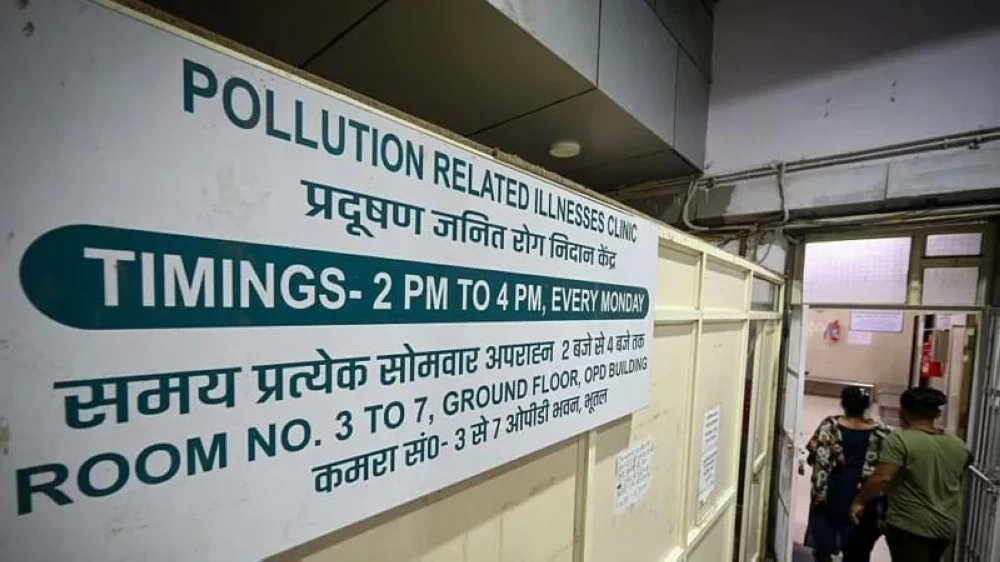
كشفت الحكومة الهندية، في إفادة رسمية أمام البرلمان، عن تسجيل أكثر من 200 ألف حالة إصابة حادة بأمراض الجهاز التنفسي في ستّة مستشفيات حكومية كبرى بالعاصمة دلهي خلال الفترة من 2022 إلى 2024، في مؤشر خطير على حجم الكارثة البيئية التي تعيشها المدينة.
تفاصيل الإصابات خلال 3 أعوام
وأوضحت البيانات الرسمية أن عدد الحالات بلغ 67,054 حالة في 2022، و69,293 حالة في 2023، ثم 68,411 حالة في 2024، بما يقارب 70 ألف حالة سنوياً، فيما اضطر أكثر من 30 ألف مريض لتلقي العلاج داخل المستشفيات بسبب تدهور حالاتهم نتيجة الهواء الملوث.
تحذير رسمي من خطورة التلوث
ورغم تأكيد الحكومة وجود علاقة واضحة بين ارتفاع معدلات التلوث وزيادة الإصابات، فإنها أشارت إلى أن الدراسات الحالية لا تستطيع إثبات علاقة سببية مباشرة بنسبة 100%، مع الإقرار بأن التلوث يظل العامل الأبرز في تفاقم الأزمة الصحية.
مؤشر جودة الهواء في نطاق الخطر القاتل
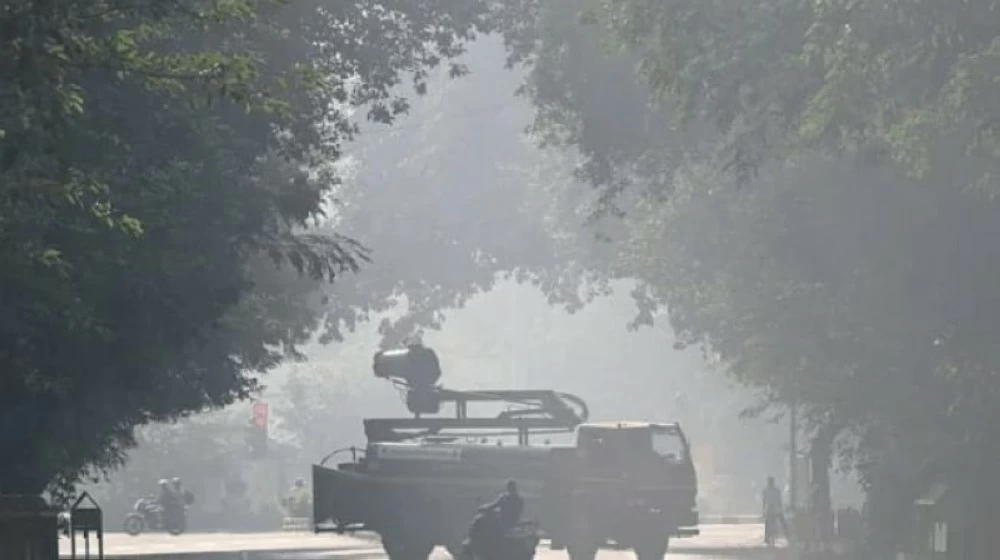
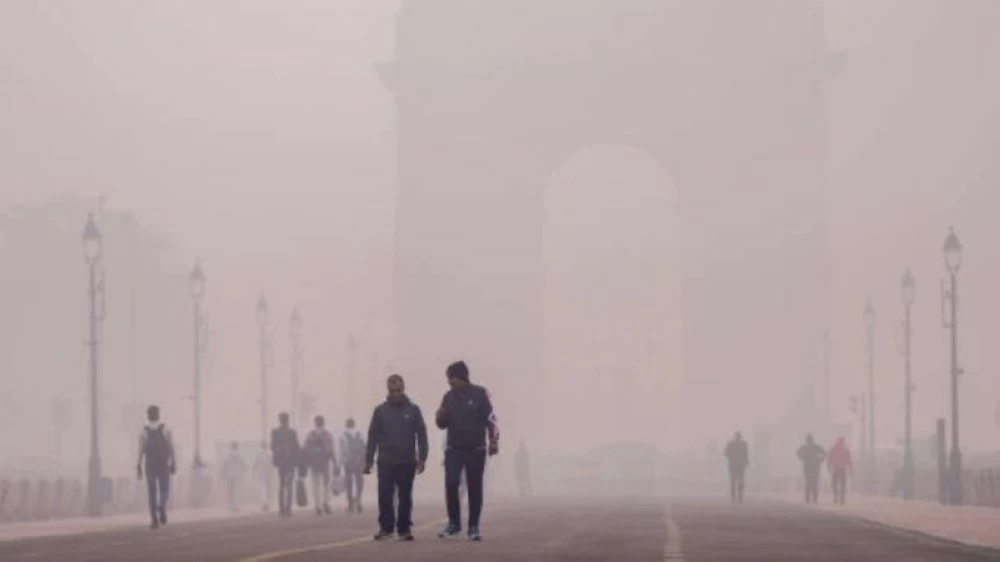
وتفاقمت الأزمة خلال فصل الشتاء، إذ تجاوز مؤشر جودة الهواء (AQI) في دلهي مستوى 400 درجة «شديد الخطورة» عدة مرات، وهو ما يفوق بأكثر من 20 ضعفاً الحد الآمن الذي توصي به منظمة الصحة العالمية.
وسجّل التطبيق الحكومي «سفار» صباح الأربعاء متوسط 380 درجة، ما يضع المدينة في نطاق «الخطر جداً».
أسباب الأزمة: مزيج قاتل
ويرجع الخبراء هذا الوضع المتدهور إلى مزيج من العوامل الخطرة، أبرزها انبعاثات المصانع، عوادم الملايين من السيارات، انخفاض سرعة الرياح، انخفاض درجات الحرارة، وحرق مخلفات المحاصيل الزراعية بكثافة في ولايتي البنجاب وهاريانا المجاورتين كل خريف وشتاء.
الأطفال في قلب المأساة
وخلال الأيام الأخيرة، شهدت مستشفيات دلهي وضواحيها تدفقاً غير مسبوق للأطفال المصابين بأمراض تنفسية حادة بسبب الهواء السام، وهو ما سلطت عليه تقارير إعلامية دولية الضوء الأسبوع الماضي.
تحرك قضائي عاجل
وفي تطور متصل، تنظر المحكمة العليا في دلهي عريضة عاجلة تطالب الحكومة باتخاذ إجراءات صارمة وفورية للحد من التلوث الذي بات يهدد حياة الملايين.
تحذيرات بلا حلول جذرية
وسبق للمحكمة العليا الهندية أن عبّرت مراراً عن قلقها الشديد من تدهور جودة الهواء في دلهي والمناطق المحيطة، دون أن تنجح هذه التحذيرات حتى الآن في فرض حلول جذرية تنهي واحدة من أخطر الأزمات البيئية في العالم.
The Indian government revealed in an official statement before Parliament that over 200,000 cases of severe respiratory illnesses were recorded in six major government hospitals in the capital, Delhi, during the period from 2022 to 2024, indicating a serious level of the environmental disaster the city is experiencing.
Details of the infections over 3 years
The official data showed that the number of cases reached 67,054 in 2022, 69,293 in 2023, and then 68,411 in 2024, amounting to nearly 70,000 cases annually, while more than 30,000 patients were forced to receive treatment in hospitals due to the deterioration of their conditions resulting from polluted air.
Official warning about the dangers of pollution
Despite the government's confirmation of a clear relationship between rising pollution levels and increased infections, it indicated that current studies cannot prove a direct causal relationship with 100% certainty, while acknowledging that pollution remains the most significant factor in exacerbating the health crisis.
Air quality index in the deadly danger range
The crisis worsened during the winter, as the Air Quality Index (AQI) in Delhi exceeded 400, classified as "severe danger," several times, which is more than 20 times the safe limit recommended by the World Health Organization.
The government application "Safar" recorded an average of 380 on Wednesday morning, placing the city in the "very dangerous" range.
Causes of the crisis: a deadly mix
Experts attribute this deteriorating situation to a mix of dangerous factors, most notably emissions from factories, exhaust from millions of vehicles, low wind speeds, decreased temperatures, and the intensive burning of agricultural waste in the neighboring states of Punjab and Haryana every fall and winter.
Children at the heart of the tragedy
In recent days, hospitals in Delhi and its suburbs have witnessed an unprecedented influx of children suffering from severe respiratory illnesses due to toxic air, which was highlighted by international media reports last week.
Urgent legal action
In a related development, the Supreme Court of Delhi is considering an urgent petition demanding the government take strict and immediate measures to reduce pollution that threatens the lives of millions.
Warnings without radical solutions
The Indian Supreme Court has repeatedly expressed its deep concern over the deterioration of air quality in Delhi and the surrounding areas, yet these warnings have not yet succeeded in imposing radical solutions to end one of the most dangerous environmental crises in the world.