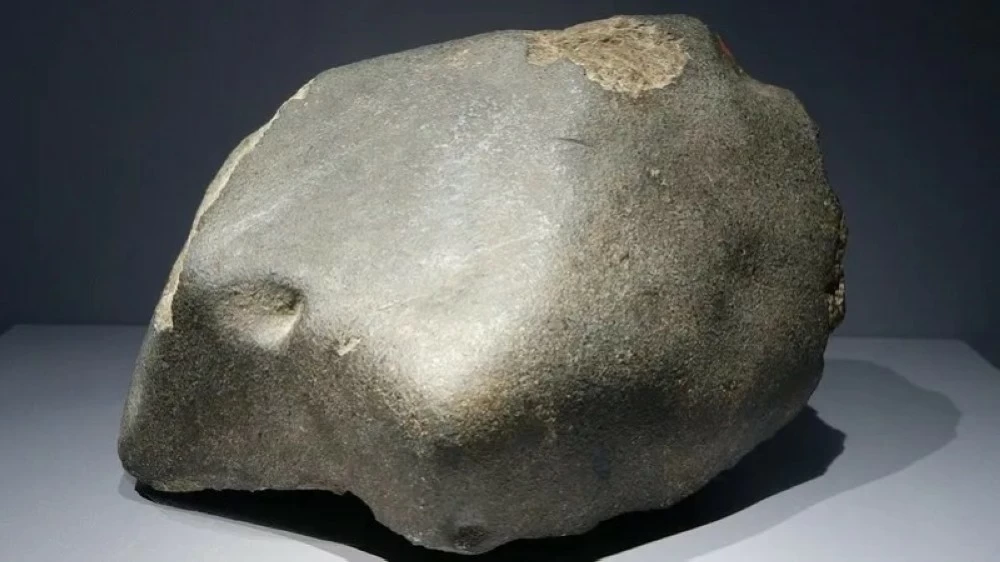
أدهش اكتشاف نيزك نادر علماء الفضاء وعلماء المعادن في أستراليا، بعدما اكتشفه ديفيد هول أثناء تنقله في متنزه ماريبورو الإقليمي قرب مدينة ملبورن عام 2015. وبينما كان هول يبحث عن الذهب باستخدام جهاز كشف المعادن في منطقة مشهورة بحمى الذهب في القرن التاسع عشر، صادف صخرة غريبة الشكل، ثقيلة الوزن ولونها مائل إلى الحمرة.
وبكل الطرق حاول هول كسر الصخرة لكشف محتواها، فاستخدم منشار الصخور والمثقاب وآلة الطحن وحتى الحمض والمطرقة الثقيلة، لكن دون جدوى. وبعد سنوات من الحيرة، قرر عرض الصخرة على خبراء متحف ملبورن، ليكتشفوا أنها نيزك عمره 4.6 مليار سنة، أطلق عليه اسم «ماريبورو» نسبة إلى المنطقة التي عُثر عليه فيها.
ويزن النيزك نحو 17 كيلوغراماً، وعند فحصه باستخدام منشار ماسي، تبين أنه يحتوي على نسبة عالية من الحديد، ويصنف ضمن نوع «H5 كوندرات عادي». كما كشفت الفحوصات قطرات معدنية متبلورة تُعرف باسم كوندرولات، وهي علامات على تاريخ تشكل النظام الشمسي.
وقال الجيولوجي ديرموت هنري من متحف ملبورن إن «حجر بهذا الشكل لا ينبغي أن يكون بهذا الثقل على الأرض، والنتوءات الخارجية تتشكل عندما يذوب النيزك أثناء دخوله الغلاف الجوي».
ويؤكد الباحثون أن النيازك تمثل وسيلة غير مكلفة لاستكشاف الفضاء، إذ تحمل أدلة عن عمر وتكوين النظام الشمسي وحتى عن نشأة الحياة، حيث تحتوي بعض النيازك على جزيئات عضوية مثل الأحماض الأمينية. ويُرجح أن هذا النيزك جاء من حزام الكويكبات بين المريخ والمشتري قبل أن تصطدم به أجسام أخرى تدفعه نحو الأرض، ويشير التحليل بالكربون المشع إلى أنه سقط على كوكبنا قبل ما بين 100 وألف عام، وربما يرتبط بظواهر سجلت بين عامي 1889 و1951.
ويعد نيزك «ماريبورو» نادراً بشكل استثنائي، إذ هو واحد من 17 نيزكاً فقط تم العثور عليها في ولاية فيكتوريا، ويأتي في المرتبة الثانية من حيث الحجم بعد نيزك وزنه 55 كيلوغراماً اكتُشف عام 2003.
وقال هنري: «العثور على هذا النيزك حدث يكاد يكون فلكياً، خصوصاً إذا علمنا أن آلاف شذرات الذهب اكتُشفت في المنطقة مقابل 17 نيزكاً فقط».
ووثقت الدراسة الاكتشاف في مجلة Proceedings of the Royal Society of Victoria، مضيفة فصلاً جديداً لقصة الصخور القادمة من الفضاء.
The discovery of a rare meteorite has amazed space scientists and metallurgists in Australia, after it was found by David Hall while he was exploring the Maribyrnong Regional Park near Melbourne in 2015. While Hall was searching for gold using a metal detector in an area famous for its 19th-century gold rush, he stumbled upon a strangely shaped rock that was heavy and had a reddish hue.
In every way possible, Hall tried to break the rock to reveal its contents, using a rock saw, a drill, a grinding machine, and even acid and a heavy hammer, but to no avail. After years of puzzlement, he decided to present the rock to experts at the Melbourne Museum, who discovered it was a meteorite aged 4.6 billion years, named "Maribyrnong" after the area where it was found.
The meteorite weighs about 17 kilograms, and when examined using a diamond saw, it was found to contain a high percentage of iron, classifying it as an "H5 ordinary chondrite." Tests also revealed crystalline metal droplets known as chondrules, which are markers of the history of the solar system's formation.
Geologist Dermot Henry from the Melbourne Museum stated, "A stone of this shape shouldn't be this heavy on Earth, and the external bumps form when the meteorite melts upon entering the atmosphere."
Researchers confirm that meteorites represent a cost-effective means of exploring space, as they carry evidence about the age and composition of the solar system and even about the origins of life, with some meteorites containing organic molecules such as amino acids. It is believed that this meteorite came from the asteroid belt between Mars and Jupiter before being struck by other bodies that propelled it toward Earth, and radiocarbon analysis suggests it fell on our planet between 100 and 1,000 years ago, possibly linked to phenomena recorded between 1889 and 1951.
The "Maribyrnong" meteorite is exceptionally rare, being one of only 17 meteorites found in the state of Victoria, and it ranks second in size after a meteorite weighing 55 kilograms discovered in 2003.
Henry remarked, "Finding this meteorite is an almost astronomical event, especially considering that thousands of gold nuggets have been discovered in the area compared to only 17 meteorites."
The discovery was documented in the journal Proceedings of the Royal Society of Victoria, adding a new chapter to the story of rocks coming from space.