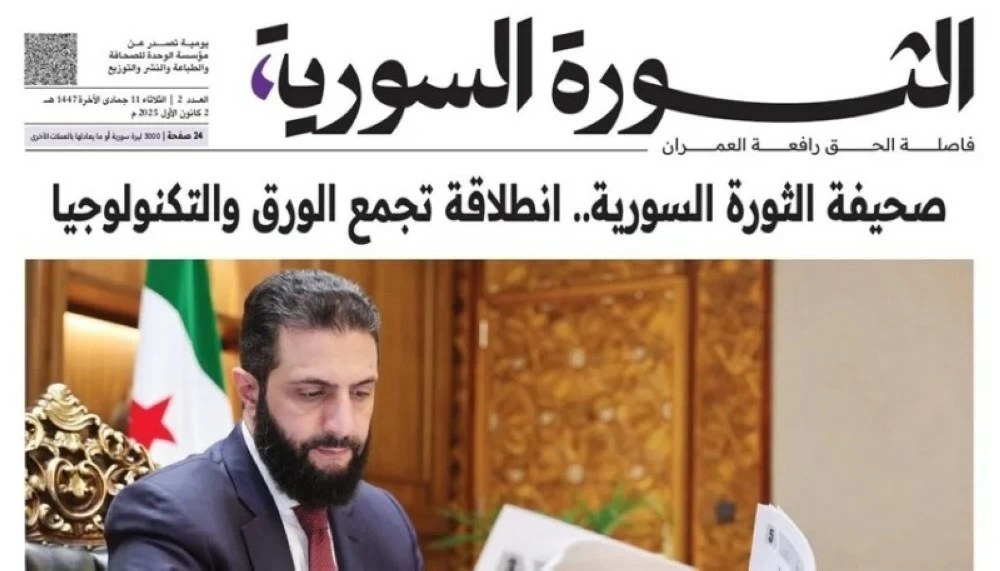
أعادت وزارة الإعلام السورية إصدار الصحافة المطبوعة لأول مرة منذ أكثر من 5 سنوات، مع إطلاق العدد الأول من صحيفة «الثورة السورية»، لتلتحق بذلك بوسائل الإعلام الرسمية التي تشمل قناة إخبارية وطنية ووكالة أنباء.
وجاءت هذه الخطوة بعد نحو عام من الإطاحة بالحكم السابق، الذي كان يحد بشكل كبير من الحريات الإعلامية ويحوّل وسائل الإعلام إلى أداة دعائية، مع فرض رقابة صارمة على المؤسسات الصحافية والمنصات الرقمية.
وجرى إعلان صدور العدد الأول من الصحيفة الوليدة خلال حفل رسمي نظمته وزارة الإعلام السورية ومؤسسة الوحدة للطباعة والنشر في كلية الفنون بدمشق، أمس (الإثنين). وأوضح وزير الإعلام حمزة المصطفى أن اختيار اسم الصحيفة جاء «تخليدا وتمييزا عن انقلاب البعث وثورته الهدامة»، مشيرا إلى أن الصحافة المطبوعة ستصبح «مرآة لوجع الناس وحياتهم اليومية وآمالهم في فضاء من النقاش الحر».
وتعد الصحف الورقية الحكومية مثل «الثورة» و«تشرين» و«البعث» من ركائز الإعلام السوري منذ سبعينيات القرن الماضي، فيما أطلقت لاحقا وسائل إعلام مقربة من نظام الأسد منابر إعلامية مثل صحيفة «الوطن» وراديو «شام أف أم»، لكنها بقيت تحت رقابة مشددة وملاحقة الصحافيين، ما جعل سورية إحدى أكثر الدول قمعا للعمل الإعلامي، وفق مؤشرات حرية الصحافة العالمية.
وبعد سقوط بشار الأسد، استحوذت السلطات الانتقالية على وسائل الإعلام الرسمية وأعادت إطلاق بعضها بحلّة جديدة، بما في ذلك وكالة «سانا» والتلفزيون الرسمي، بينما ولدت منصات جديدة ومستقلة، تأسست بعضها عام 2012 وتوسعت في المنفى لتصبح من أبرز وسائل الإعلام المستقلة في البلاد.
وكانت الصحيفة قد طبعت أعدادا ورقية لفترة قصيرة بعد الإطاحة بالحكم السابق، قبل أن تتوقف بسبب ارتفاع كلفة الطباعة وصعوبة التمويل، مكتفية بالنشر الرقمي، فيما تعهدت السلطات الانتقالية بالسعي لتوسيع حرية الصحافة، وتأمل المنصات المستقلة أن تتاح مساحة أكبر للعمل الإعلامي في المستقبل.
The Syrian Ministry of Information has reissued printed journalism for the first time in over 5 years, with the launch of the first issue of the newspaper "Syrian Revolution," thus joining the official media outlets that include a national news channel and a news agency.
This step came about a year after the overthrow of the previous regime, which significantly restricted media freedoms and turned media into a propaganda tool, imposing strict censorship on journalistic institutions and digital platforms.
The announcement of the first issue of the newly established newspaper was made during an official ceremony organized by the Syrian Ministry of Information and the Unity Printing and Publishing Foundation at the Faculty of Arts in Damascus yesterday (Monday). Minister of Information Hamza Mustafa explained that the choice of the newspaper's name came "to commemorate and distinguish it from the Baath coup and its destructive revolution," noting that printed journalism will become "a mirror of the people's pain, their daily lives, and their hopes in a space of free discussion."
Government newspapers such as "Revolution," "Tishreen," and "Baath" have been pillars of Syrian media since the 1970s, while later, media outlets close to the Assad regime launched media platforms such as "Al-Watan" newspaper and "Sham FM" radio, but they remained under tight surveillance and the pursuit of journalists, making Syria one of the most repressive countries for media work, according to global press freedom indicators.
After the fall of Bashar al-Assad, the transitional authorities took control of the official media and relaunched some of them in a new guise, including the "SANA" agency and state television, while new independent platforms emerged, some of which were established in 2012 and expanded in exile to become among the most prominent independent media in the country.
The newspaper had printed paper issues for a short period after the overthrow of the previous regime before halting due to rising printing costs and funding difficulties, relying solely on digital publishing, while the transitional authorities pledged to seek to expand press freedom, and independent platforms hope for a larger space for media work in the future.