تكشف الأبحاث الحديثة في طب نمط الحياة عن أرقام صادمة تمس حياة كل إنسان؛ أكثر من 80% من الأمراض المزمنة يمكن تجنبها عبر تغيير السلوك اليومي، والمشي لمدة 30 دقيقة يومياً يخفض خطر الوفاة بنسبة قد تصل إلى 30%، والنوم أقل من ستّ ساعات يرفع خطر الوفاة المبكرة بنسبة 13%، والعزلة الاجتماعية تضاعف احتمالات الاكتئاب وأمراض القلب وتهدد العمر الصحي بمستوى يقارب أخطر عوامل الخطر، هذه الحقائق أظهرت اتجاهاً طبياً جديداً يعتمد على الوقاية قبل العلاج ويعيد تعريف مفهوم الصحة داخل المدن والمجتمعات.
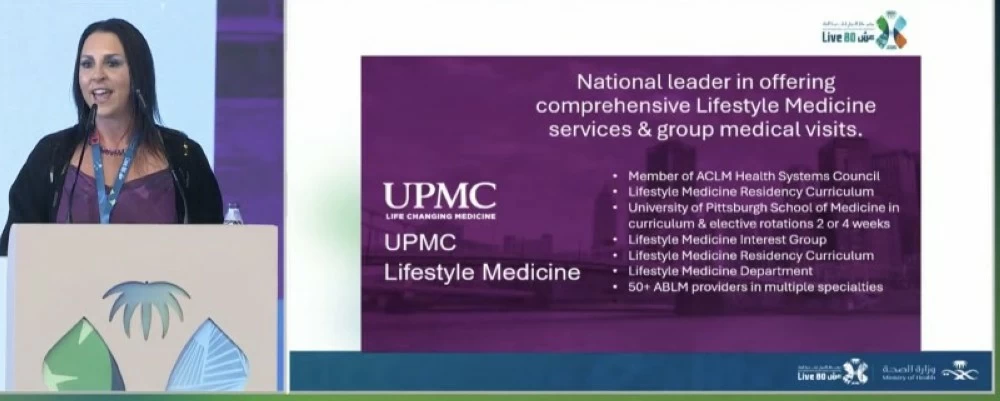
في هذا السياق، قدّمت الدكتورة ميشيل طومسون، الطبيبة الأمريكية المتخصصة في طب نمط الحياة وأستاذة الطب في جامعة بيتسبرغ ومديرة برنامج طب نمط الحياة في مركزUPM، رؤية حديثة خلال مشاركتها في مؤتمر طب نمط الحياة بحائل. وأكدت أن العمر الصحي يرتفع حين تتحول العادات اليومية إلى جزء من قرار المدينة والمجتمع، عبر الغذاء الطبيعي والحركة المستمرة والنوم الجيد والدعم الاجتماعي.
وشرحت طومسون مفهوم المناطق الزرقاء Blue Zones بطريقة مبسطة، وهي خمس مناطق يعيش سكانها أعماراً أطول من المعدلات العالمية؛ أوكيناوا اليابانية، سردينيا الإيطالية، نيكويا في كوستاريكا، إيكاريا اليونانية، ولوما ليندا في كاليفورنيا. وتمتاز هذه المناطق بمزيج من العادات الصحية والغذائية والاجتماعية التي صنعت نموذجاً متقدماً لطول العمر والجودة الصحية.
وقدمت طومسون شرحاً لإطار Power 9 - القوى التسع؛ تسع عادات ترتبط مباشرة بطول العمر الصحي، تشمل الحركة الطبيعية، الهدف في الحياة، إدارة التوتر، النظام النباتي، الروابط الأسرية، المجتمعات الداعمة، الصداقات القوية، بيئة تشجع السلوكيات الصحية، تناول الطعام بكميات معتدلة.
كما تطرقت إلى تجربة طب نمط الحياة في مركز UPMC التي تعد من أبرز التجارب الأمريكية في التحول الوقائي، إضافة إلى مبادرة THRIVE الدولية التي تهدف إلى تطوير بيئات العناية المركزة وتعزيز تعافي المرضى.
وترى طومسون أن حائل ضمن مبادرة Live80 تسير نحو نموذج صحي متقدم بعد وصول متوسط العمر الصحي فيها إلى 83.5 سنة وتراجع الأمراض المزمنة وارتفاع فعالية الرعاية الأولية، ما يضعها على مسار المدن الأكثر صحة واستدامة.
Recent research in lifestyle medicine reveals shocking numbers that affect every individual's life; more than 80% of chronic diseases can be prevented by changing daily behavior, and walking for 30 minutes a day can reduce the risk of death by up to 30%. Sleeping less than six hours increases the risk of early death by 13%, and social isolation doubles the chances of depression and heart disease, threatening healthy lifespan levels comparable to the most dangerous risk factors. These facts have shown a new medical trend that relies on prevention before treatment and redefines the concept of health within cities and communities.
In this context, Dr. Michelle Thompson, an American physician specializing in lifestyle medicine and a professor of medicine at the University of Pittsburgh and director of the lifestyle medicine program at UPMC, provided a modern perspective during her participation in the lifestyle medicine conference in Hail. She emphasized that healthy lifespan increases when daily habits become part of the city's and community's decision-making, through natural food, continuous movement, good sleep, and social support.
Thompson explained the concept of Blue Zones in a simplified manner, which are five areas where residents live longer than the global averages; Okinawa in Japan, Sardinia in Italy, Nicoya in Costa Rica, Ikaria in Greece, and Loma Linda in California. These areas are characterized by a mix of healthy, dietary, and social habits that have created an advanced model for longevity and health quality.
Thompson provided an explanation of the Power 9 framework - the nine powers; nine habits directly linked to healthy longevity, including natural movement, having a purpose in life, stress management, a plant-based diet, family connections, supportive communities, strong friendships, an environment that encourages healthy behaviors, and moderate eating.
She also addressed the lifestyle medicine experience at UPMC, which is one of the prominent American experiences in preventive transformation, in addition to the international THRIVE initiative aimed at developing intensive care environments and enhancing patient recovery.
Thompson believes that Hail, as part of the Live80 initiative, is moving towards an advanced health model after the average healthy lifespan reached 83.5 years, with a decline in chronic diseases and an increase in the effectiveness of primary care, placing it on the path to becoming one of the healthiest and most sustainable cities.