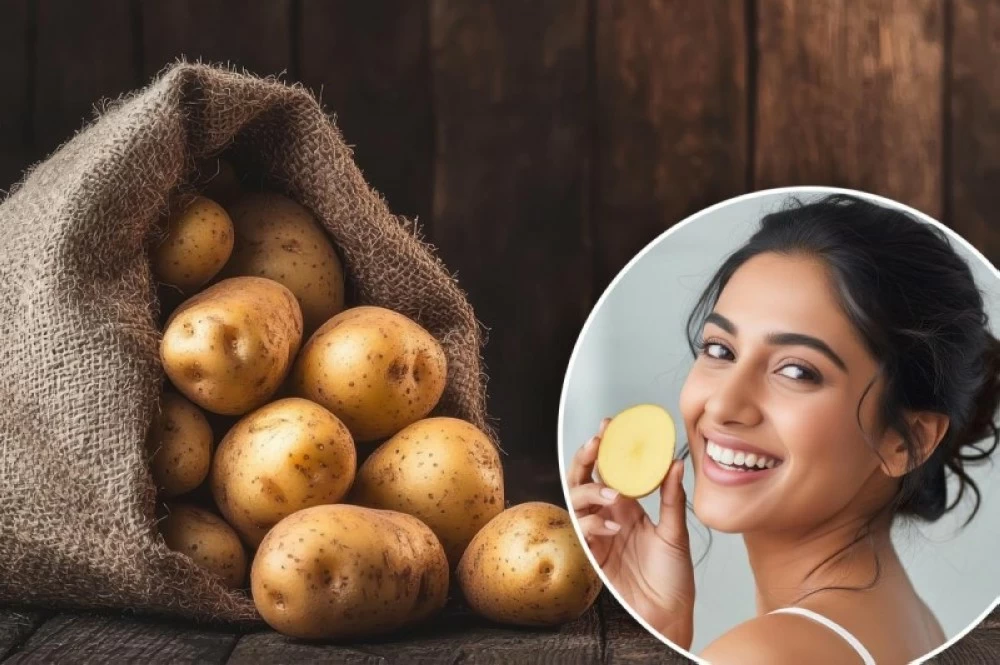
في عالمٍ تتسابق فيه شركات التجميل لاكتشاف أسرار الجمال الخفية، يطلّ «كنز غير متوقّع» من قلب المطبخ! فالبطاطا، تلك الحبة البسيطة التي ترافق أطباقنا اليومية، تفرض نفسها اليوم كمصدر واعد لمكوّنات ثورية قد تغيّر مفهوم العناية بالبشرة. رحلة جديدة يقودها فريق من العلماء لتحويل نفايات البطاطا إلى عناصر فعّالة تدخل في صناعة مستحضرات التجميل، ما قد يضيف لمسة مبتكرة ومتجددة لجلسات العناية بالوجه في المستقبل القريب.
ويقول العلماء إن مخلفات البطاطا، مثل السيقان والأوراق التي تُرمى بعد الحصاد، تحتوي على مركبات فعّالة تُستخدم في مستحضرات التجميل. ومن أبرز هذه المركبات «سولانيسول»، المسؤول عن إنتاج الإنزيم المساعد Q10، إضافة إلى فيتامين K2.
ويعرف Q10 بخصائصه المضادة للأكسدة وقدرته على الحفاظ على بشرة صحية وشابة، بينما يساهم فيتامين K2 في استقلاب الكولاجين والكالسيوم.
وحالياً، تستخلص شركات التجميل «سولانيسول» من نباتات التبغ، لكن الطلب على هذا المركب ارتفع بشكل ملحوظ خلال العقود الأخيرة.
وبهذا الصدد، يدرس علماء مشروع جامعة أبردين إمكانية استخدام البطاطا كمصدر محلي لـ «سولانيسول». وفي حال نجاح المشروع، قد تحتوي المرطبات وأقنعة الوجه على مكونات مستخلصة من البطاطا.
وصرحت جمعية «غرامبيان غرويرز»، وهي تعاونية مملوكة للمزارعين مقرها الساحل الشرقي لأسكتلندا، بأن المشروع «مهم للغاية» لصناعة البطاطا. وأضافت البروفيسورة هيذر ويلسون، رئيسة قسم علم المناعة بجامعة أبردين: «استكشاف جودة وعائد «سولانيسول» المستخرج من قشر البطاطا المحلي وتقييم تطبيقاته في الصناعات التجميلية يمثل مجالاً بحثياً مثيراً ومؤثراً».
البطاطا والعناية بالبشرة
أظهرت الدراسات أن مستخلص قشر البطاطا يعزز إنتاج الكولاجين، وهو البروتين المسؤول عن مرونة البشرة ومكافحة التجاعيد. كما تُستخدم البطاطا منزلياً لعلاج مشاكل مثل فرط التصبغ والهالات السوداء وحب الشباب. ويُقال إن البطاطا الحلوة اليابانية تساعد في تنعيم التجاعيد حول العينين عند هرسها وخلطها مع عصير الليمون.
وتحتوي البطاطا الحلوة على «بيتو كاروتين» الذي يتحول إلى فيتامين A، لحماية البشرة من الأشعة فوق البنفسجية، إضافة إلى فيتاميني C وE، اللذين يعززان إنتاج الكولاجين ويمنحان البشرة إشراقة ونضارة.
In a world where beauty companies are racing to discover the hidden secrets of beauty, an "unexpected treasure" emerges from the heart of the kitchen! The potato, that simple tuber that accompanies our daily dishes, is asserting itself today as a promising source of revolutionary ingredients that could change the concept of skincare. A new journey led by a team of scientists aims to transform potato waste into effective elements used in the production of cosmetics, which could add an innovative and refreshing touch to future facial care sessions.
Scientists say that potato waste, such as stems and leaves that are discarded after harvest, contains active compounds used in cosmetics. Among these compounds is "solanisol," which is responsible for producing coenzyme Q10, in addition to vitamin K2.
Q10 is known for its antioxidant properties and its ability to maintain healthy, youthful skin, while vitamin K2 contributes to collagen and calcium metabolism.
Currently, cosmetic companies extract "solanisol" from tobacco plants, but the demand for this compound has increased significantly in recent decades.
In this regard, scientists from the University of Aberdeen are studying the possibility of using potatoes as a local source of "solanisol." If the project succeeds, moisturizers and face masks may contain ingredients extracted from potatoes.
The "Grampian Growers" association, a farmer-owned cooperative based on the east coast of Scotland, stated that the project is "extremely important" for the potato industry. Professor Heather Wilson, head of the Immunology Department at the University of Aberdeen, added: "Exploring the quality and yield of 'solanisol' extracted from local potato peels and evaluating its applications in the cosmetic industries represents an exciting and impactful research area."
Potatoes and Skincare
Studies have shown that potato peel extract enhances collagen production, which is the protein responsible for skin elasticity and combating wrinkles. Potatoes are also used at home to treat issues such as hyperpigmentation, dark circles, and acne. It is said that Japanese sweet potatoes help smooth wrinkles around the eyes when mashed and mixed with lemon juice.
Sweet potatoes contain "beta-carotene," which converts to vitamin A, protecting the skin from ultraviolet rays, in addition to vitamins C and E, which enhance collagen production and give the skin radiance and freshness.