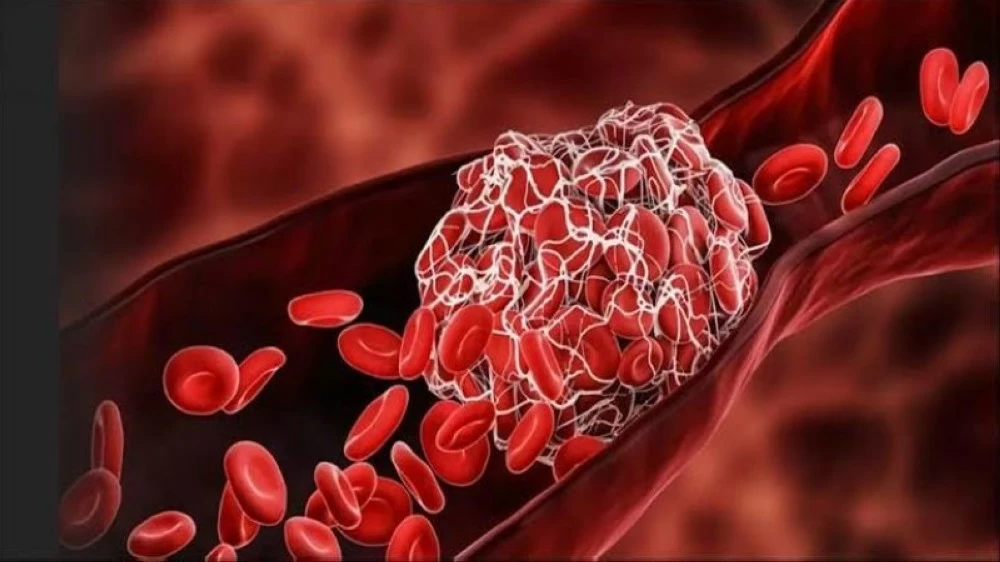
حذّر المحاضر في كلية الطب بجامعة التعليم الروسية الدكتور ألكسندر كاليوجني، من أن تجلط الدم لا يحدث بشكل مفاجئ كما يعتقد البعض، بل غالباً ما يكون نتيجة تراكمية لعادات حياتية سيئة تضعف الأوعية الدموية وتزيد من ميل الجسم للتخثر.
وأوضح الدكتور أن تلف جدار الأوعية الدموية يعد من أبرز العوامل التي تسهّل تكوّن الجلطات، إذ يؤدي هذا التلف إلى تنشيط عوامل التخثر الطبيعية في الجسم. كما أن تباطؤ تدفق الدم يمثل خطراً إضافيّاً، لا سيما عند الجلوس لفترات طويلة أو في حال الإصابة بدوالي الأوردة، وهو ما يوفّر بيئة مثالية لتجمّع الدم وتكوّن الجلطات، خصوصاً لدى كبار السن أو من لديهم أمراض مزمنة.
وأشار إلى أن بعض العوامل الأخرى ترفع من قدرة الدم على التخثر، ومن أبرزها التدخين، الذي يُعد المسبب الأول، إذ إن السموم الناتجة عن دخان التبغ تؤدي إلى التهابات دقيقة مزمنة في الأوعية، وتحفّز الصفائح الدموية، مما يجعل الدم أكثر لزوجة. وأضاف أن زيادة الوزن ونمط الحياة الخامل من العوامل التي تسهم بشكل كبير في زيادة احتمالات التجلط، إلى جانب الجفاف، الذي يؤدي إلى انخفاض نسبة البلازما وارتفاع تركيز خلايا الدم، ما يعزز من لزوجته ويزيد خطر التخثر.
ونبّه الدكتور كاليوجني أيضاً إلى ضرورة الحذر من الاستخدام العشوائي لبعض الأدوية والمكملات، مثل موانع الحمل الهرمونية أو بعض الهرمونات المنشطة، خصوصاً عند من يعانون السمنة أو المدخنين، مشدداً على أهمية استشارة الطبيب قبل تناول أي من هذه المواد، لتجنّب آثارها الجانبية على الجهاز الدوري.
وأكد في ختام حديثه أن الوقاية من تجلط الدم تبدأ بتغيير نمط الحياة اليومي، من خلال الحركة المنتظمة، الإقلاع عن التدخين، الحفاظ على الترطيب الجيد، ومراقبة الوزن والتغذية الصحية، إلى جانب الالتزام الطبي في حال وجود عوامل خطر معروفة.
Dr. Alexander Kalyugni, a lecturer at the Faculty of Medicine at the Russian University of Education, warned that blood clots do not occur suddenly as some believe, but are often the cumulative result of poor lifestyle habits that weaken blood vessels and increase the body's tendency to clot.
He explained that damage to the blood vessel walls is one of the main factors that facilitate the formation of clots, as this damage activates the body's natural clotting factors. Additionally, slowed blood flow poses an extra risk, especially when sitting for long periods or in cases of varicose veins, which provide an ideal environment for blood to pool and clots to form, particularly in the elderly or those with chronic diseases.
He pointed out that some other factors increase the blood's ability to clot, the most notable of which is smoking, which is the primary cause, as the toxins produced by tobacco smoke lead to chronic microscopic inflammation in the vessels and stimulate platelets, making the blood thicker. He added that being overweight and a sedentary lifestyle significantly contribute to the increased likelihood of clotting, along with dehydration, which leads to a decrease in plasma levels and an increase in blood cell concentration, enhancing its viscosity and increasing the risk of clotting.
Dr. Kalyugni also cautioned against the indiscriminate use of certain medications and supplements, such as hormonal contraceptives or some stimulating hormones, especially in those who are obese or smokers, emphasizing the importance of consulting a doctor before taking any of these substances to avoid their side effects on the circulatory system.
In conclusion, he affirmed that preventing blood clots begins with changing daily lifestyle habits through regular movement, quitting smoking, maintaining good hydration, monitoring weight and healthy nutrition, along with medical adherence in the presence of known risk factors.