بعد أكثر من 300 عام على غرقها في مياه البحر الكاريبي، بدأ العلماء بالكشف عن أولى الكنوز العائدة لسفينة «سان خوسيه» الشراعية الإسبانية، التي غرقت عام 1708 عقب هجوم نفذه أسطول إنجليزي.
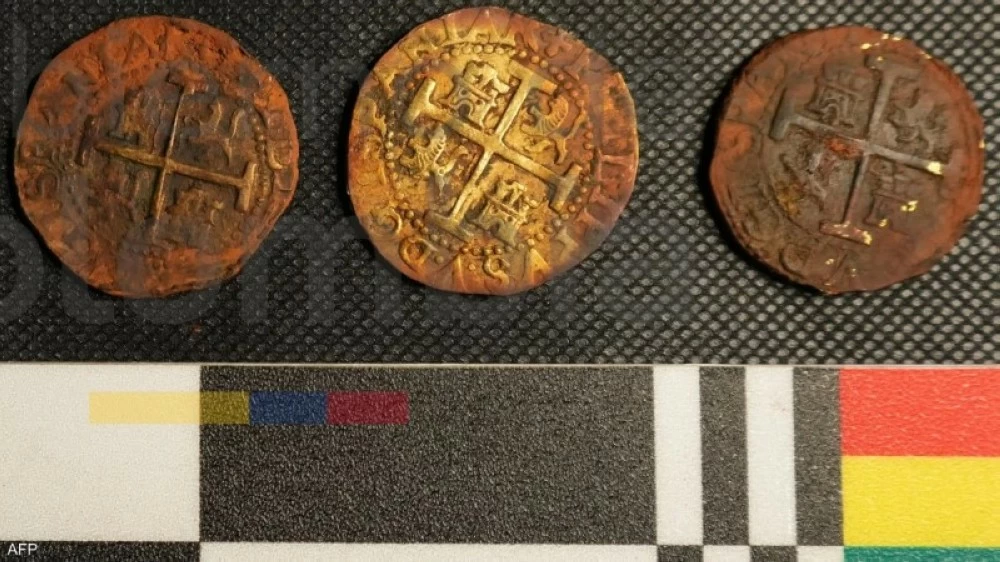
وأعلنت السلطات الكولومبية يوم (الخميس) أن فرق البحث نجحت في استخراج مدفع و3 عملات معدنية وكأس من البورسلين، في أول عملية استعادة رسمية ضمن المسح العلمي الذي أُطلق العام الماضي لدراسة الحطام وفهم ظروف غرق السفينة.
وكان الباحثون الكولومبيون قد حددوا موقع السفينة عام 2015، وهو الاكتشاف الذي أثار لاحقًا جدلاً قانونياً ودبلوماسياً بين عدة أطراف.
وتشير التقديرات إلى أن السفينة كانت محملة بما يقرب من 11 مليون قطعة نقدية من الذهب والفضة، إلى جانب كميات من الزمرد وشحنات ثمينة أخرى جُمعت من المستعمرات الإسبانية، وقد تصل قيمتها الإجمالية إلى مليارات الدولارات في حال استعادتها بالكامل.
وصرّحت الحكومة الكولومبية بأن هدف عمليات الغوص الحالية ليس استخراج الكنوز، بل إجراء دراسة علمية دقيقة للموقع.
ويُذكر أن الحطام يقع على عمق 6000 متر في قاع البحر، ما يجعل استكشافه أحد أعقد العمليات الأثرية في أعماق المحيط.
More than 300 years after it sank in the waters of the Caribbean Sea, scientists have begun to uncover the first treasures belonging to the Spanish sailing ship "San José," which sank in 1708 following an attack by an English fleet.
The Colombian authorities announced on (Thursday) that search teams successfully extracted a cannon, 3 coins, and a porcelain cup, in the first official recovery operation as part of the scientific survey launched last year to study the wreck and understand the circumstances of the ship's sinking.
Colombian researchers identified the ship's location in 2015, a discovery that later sparked legal and diplomatic controversy among several parties.
Estimates suggest that the ship was loaded with nearly 11 million coins of gold and silver, along with quantities of emeralds and other valuable cargo collected from Spanish colonies, which could be worth billions of dollars if fully recovered.
The Colombian government has stated that the current diving operations aim not to extract treasures but to conduct a precise scientific study of the site.
It is noted that the wreck lies at a depth of 6000 meters on the seabed, making its exploration one of the most complex archaeological operations in the depths of the ocean.