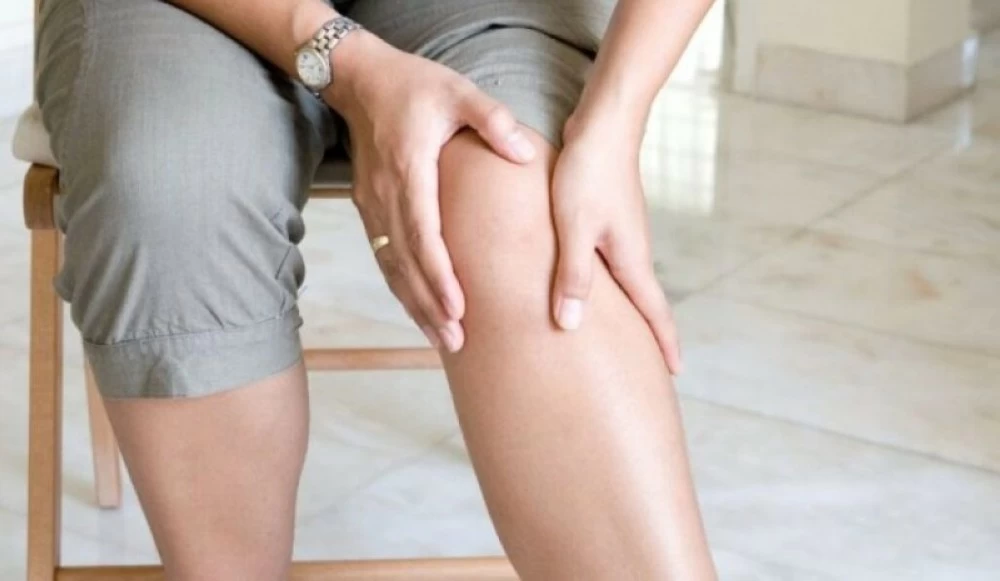
ترى أخصائية أمراض الروماتيزم الدكتورة كريستينا سيروتينكو أن صوت الطقطقة الصادر من المفاصل، خصوصا عندما يكون مصحوبًا بألم، قد يكون أول مؤشر على الإصابة بالتهاب المفاصل التنكسي.
ويُعرف هذا المرض بتدهور تدريجي في الغضروف المفصلي، ما يؤدي إلى احتكاك العظام ببعضها أثناء الحركة، مسببًا صوت الطقطقة أو النقر. غالبًا ما يظهر الألم عند بذل مجهود، بينما يزول أثناء الراحة. وفي مراحل متقدمة، قد يترافق المرض مع تشوهات في شكل المفصل.
ويصيب هذا النوع من الالتهاب بشكل شائع الأشخاص في منتصف العمر وكبار السن، خصوصًا بعد سن الخامسة والستين، نتيجة لتآكل الغضاريف المرتبط بالتقدم في السن. كما تزيد عوامل أخرى من خطر الإصابة، منها الأمراض المزمنة، ونمط الحياة الخامل، والجلوس لفترات طويلة، والعمل في ظروف غير مريحة، إضافة إلى العوامل الوراثية.
مع ذلك، تحذر الدكتورة سيروتينكو من أن صوت الطقطقة لا يعني بالضرورة وجود التهاب مفاصل. فهناك أسباب أخرى قد تكون وراء هذه الظاهرة، مثل تشكل فقاعات غازية داخل السائل الزليلي، أو نقص السوائل في الجسم، أو النشاط البدني المفرط، أو وجود إصابات طفيفة، أو التهابات مؤقتة، أو حتى ترسبات أملاح في المفصل، إلى جانب خلل في تموضع الأوتار والأربطة.
ولهذا، تشدد الأخصائية على ضرورة تجنب العلاج الذاتي أو تجاهل الأعراض، مؤكدة أن التشخيص الطبي المبكر هو الخطوة الأساسية لتحديد السبب الحقيقي ووضع خطة علاج مناسبة تمنع تطور الحالة أو تدهورها.
Rheumatology specialist Dr. Kristina Serotinko believes that the popping sound coming from the joints, especially when accompanied by pain, may be the first indicator of osteoarthritis.
This disease is characterized by a gradual deterioration of the articular cartilage, leading to the bones rubbing against each other during movement, causing the popping or clicking sound. Pain often occurs with exertion but subsides during rest. In advanced stages, the disease may be accompanied by deformities in the shape of the joint.
This type of inflammation commonly affects middle-aged and elderly individuals, especially after the age of sixty-five, due to the wear and tear of cartilage associated with aging. Other factors that increase the risk of developing this condition include chronic diseases, a sedentary lifestyle, prolonged sitting, working in uncomfortable conditions, as well as genetic factors.
However, Dr. Serotinko warns that the popping sound does not necessarily indicate the presence of arthritis. There are other reasons that may be behind this phenomenon, such as the formation of gas bubbles within the synovial fluid, dehydration, excessive physical activity, minor injuries, temporary inflammation, or even salt deposits in the joint, along with misalignment of tendons and ligaments.
Therefore, the specialist emphasizes the importance of avoiding self-treatment or ignoring symptoms, asserting that early medical diagnosis is the essential step to determine the true cause and establish an appropriate treatment plan to prevent the condition from progressing or deteriorating.