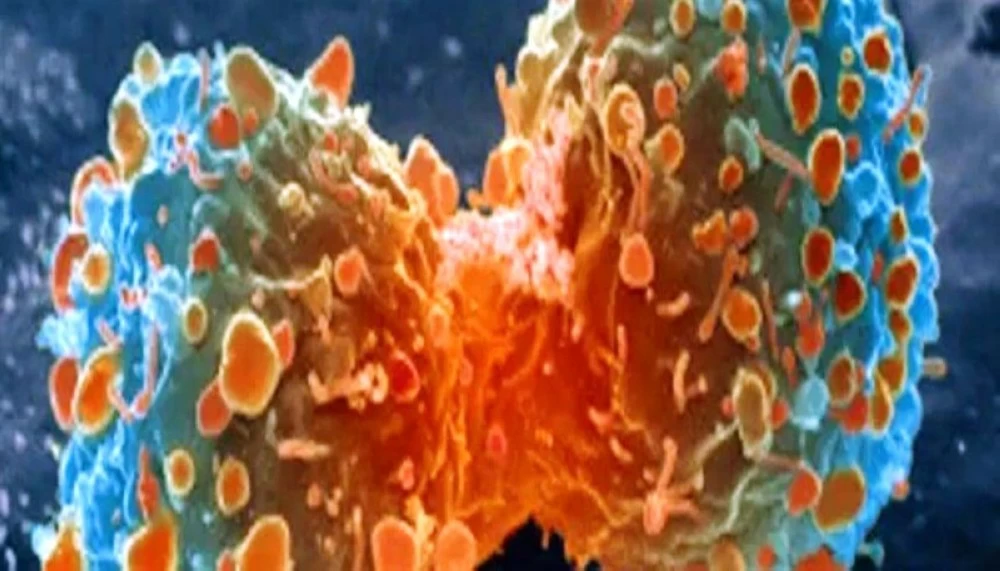
كشفت دراسة بحثية لمختبرات جامعة نورث وسترن في الولايات المتحدة، أن فريقاً علمياً توصّل إلى آلية واعدة لعلاج سرطان البنكرياس، أحد أكثر الأورام فتكاً، تعتمد على تحفيز الجهاز المناعي للتعرّف إلى الخلايا السرطانية التي تستخدم «تمويهاً سكرياً» لتجنب الكشف، وأظهرت نتائج التجارب أن إبطال تلك الآلية يمنح المناعة القدرة على مهاجمة الورم وتثبيط نموه وانتشاره.
وأوضحت الدراسة، أن الخلايا السرطانية تستعين بجزيئات حمض السياليك الموجودة على سطحها لتشبه الخلايا الطبيعية وتفلت من مراقبة جهاز المناعة. وطور فريق الباحثين جسماً مضاداً يستهدف هذه الجزيئات ويعرقل قدرة الورم على التمويه، ما أدّى في التجارب الحيوانية إلى انخفاض ملحوظ في حجم الورم لدى المجموعة التي تلقت العلاج مقارنة بالمجموعات الضابطة.
وأشار الباحثون إلى أن هذه الخطوة لا تزال ضمن التجارب ما قبل السريرية وليس علاجاً معتمداً حتى الآن، لكنهم يرون فيها إستراتيجية محتملة للدمج مع العلاج الكيميائي أو العلاجات المناعية الحالية، لتقديم خيار علاج مبتكر لمرضى سرطان البنكرياس، الذي لا تتجاوز نسبة بقائه خمس سنوات في بعض الحالات 13% فقط.
A research study from Northwestern University laboratories in the United States revealed that a scientific team has developed a promising mechanism for treating pancreatic cancer, one of the deadliest tumors, which relies on stimulating the immune system to recognize cancer cells that use "sugar camouflage" to avoid detection. The results of the experiments showed that disabling this mechanism allows the immune system to attack the tumor and inhibit its growth and spread.
The study explained that cancer cells utilize sialic acid molecules present on their surface to mimic normal cells and evade the immune system's surveillance. The research team developed an antibody that targets these molecules and disrupts the tumor's camouflage ability, leading to a significant reduction in tumor size in the treated group compared to the control groups in animal experiments.
The researchers noted that this step is still in preclinical trials and is not yet an approved treatment, but they see it as a potential strategy to combine with chemotherapy or existing immunotherapies, providing an innovative treatment option for pancreatic cancer patients, for whom the five-year survival rate is only 13% in some cases.