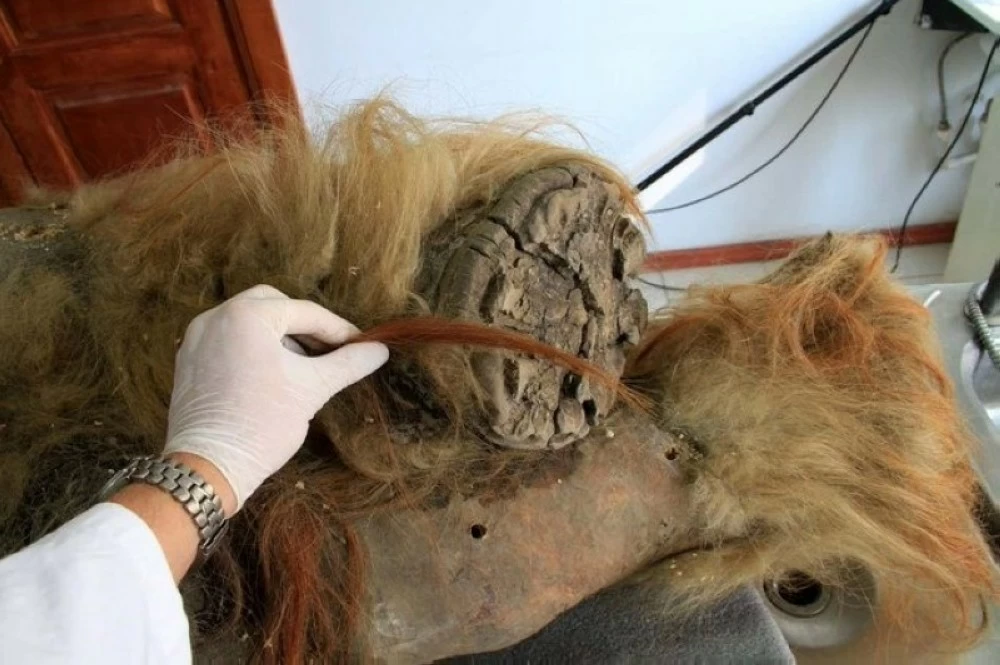
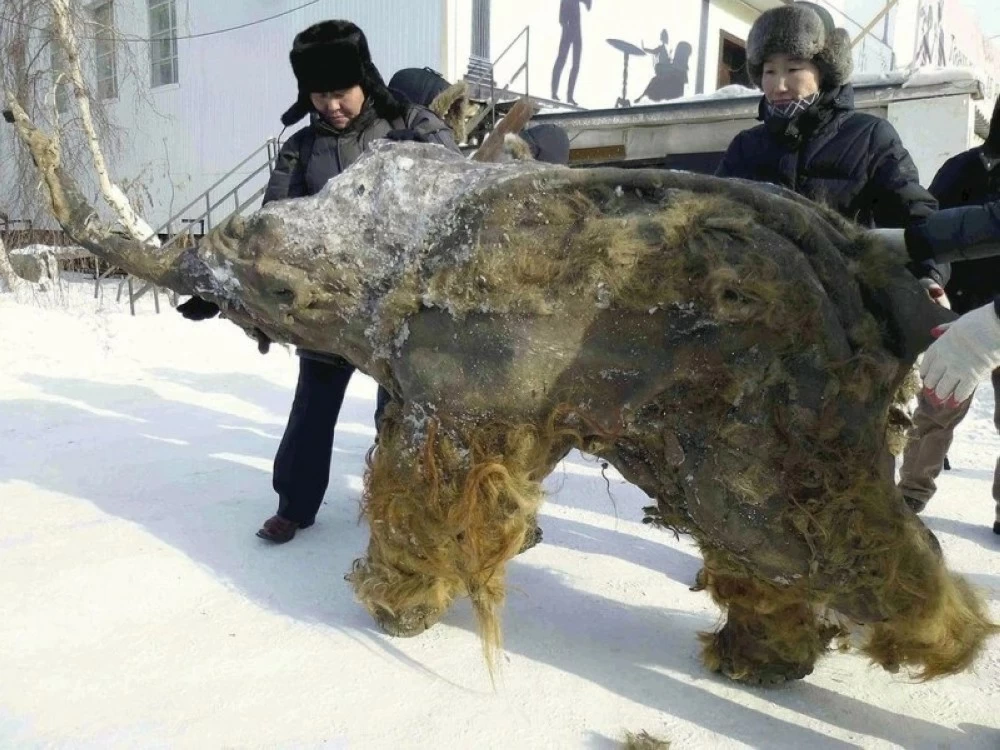
في إنجاز علمي يُعادله البعض بـ«إحياء أسرار عصر الجليد»، أعلن فريق دولي من الباحثين، بقيادة معهد العلوم القديمة في السويد، استخراجا ناجحا للحمض النووي الريبوزي (RNA) من أنسجة مومياء الماموث الصوفي الشهيرة «يوكا»، التي عُثر عليها مجمدة في تربة سيبيريا الدائمة التجمد عام 2010.
الأول من نوعه
ويعد هذا الاكتشاف، الذي نُشرت تفاصيله في مجلة «Cell» العلمية المرموقة، الأول من نوعه على الإطلاق، حيث تمت استعادة سلاسل RNA كاملة تعود إلى نحو 28 ألف عام مضت – أقدم بكثير من أي RNA مستخرج سابقا من حيوانات منقرضة.
وتفتح النتائج، التي وثقتها «ناشونال جيوغرافيك» في تقرير حصري، أبوابا واسعة لفهم التعبير الجيني في الحيوانات القديمة، وقد تقرب الباحثون خطوة من إعادة إحياء أنواع منقرضة أو فك شيفرة تطورها الدقيق.
وتم استخراج الـRNA من عينات من جلد الأذن، العضلات، والكبد لـ«يوكا»، وهي أنثى ماموث صغيرة في السابعة من عمرها عند وفاتها، محفوظة بشكل استثنائي بفضل البرودة الشديدة في ياقوتيا الروسية.
وقال قائد الفريق البحثي الدكتور لوف دالين: «الـRNA أكثر هشاشة من الـDNA، لكنه يحمل معلومات حية عن كيفية عمل الجينات في اللحظة التي توقفت فيها الحياة، هذا ليس مجرد تسلسل جيني، بل لقطة زمنية لعملية التمثيل الغذائي في ماموث حي».
مومياء الماموث المكتشفة.
استعادة آلاف الجينات النشطة
واستخدم الفريق تقنيات متقدمة في الترسيب الكيميائي والتسلسل الجيني عالي الدقة، ما سمح باستعادة آلاف الجينات النشطة، بما في ذلك تلك المسؤولة عن نمو الصوف السميك، مقاومة البرد، والتمثيل الغذائي البطيء الذي مكن الماموث من البقاء في بيئات قاسية.
ويعود الماموث الصوفي إلى عصر البليستوسين المتأخر (منذ 300 ألف إلى 10 آلاف عام مضت)، وكان يجوب أوراسيا وأمريكا الشمالية في قطعان هائلة، مغطى بفراء كثيف يصل طوله إلى متر واحد، وأنياب منحنية تصل إلى 5 أمتار.
**media«2615669»**
تغير المناخ السريع
وانقرض النوع بشكل رئيسي بسبب تغير المناخ السريع في نهاية عصر الجليد، مع مساهمة الصيد البشري، رغم بقاء جيوب صغيرة حتى 4،000 عام مضت على جزر نائية، حيث كان اكتشاف «يوكا» في 2010 نقطة تحول، إذ وُجدت الجثة شبه كاملة مع دماء سائلة جزئيا، ما أثار حماسة علماء، مثل الدكتور دالين، الذين يركزون على علم الجينوم القديم.
In a scientific achievement that some equate to "reviving the secrets of the Ice Age," an international team of researchers, led by the Institute of Ancient Sciences in Sweden, announced a successful extraction of ribonucleic acid (RNA) from the tissues of the famous woolly mammoth mummy "Yuka," which was found frozen in the permafrost of Siberia in 2010.
The First of Its Kind
This discovery, the details of which were published in the prestigious journal "Cell," is the first of its kind ever, as complete RNA sequences dating back about 28,000 years have been recovered—much older than any RNA previously extracted from extinct animals.
The results, documented by "National Geographic" in an exclusive report, open wide doors for understanding gene expression in ancient animals, and researchers have taken a step closer to reviving extinct species or decoding their precise evolution.
The RNA was extracted from samples of ear skin, muscles, and liver from "Yuka," a young female mammoth who was seven years old at the time of her death, exceptionally preserved due to the extreme cold in Russian Yakutia.
Team leader Dr. Love Dalén said, "RNA is more fragile than DNA, but it carries living information about how genes function at the moment life stopped. This is not just a genetic sequence; it is a snapshot of the metabolic process in a living mammoth."
مومياء الماموث المكتشفة.
Recovery of Thousands of Active Genes
The team used advanced techniques in chemical precipitation and high-precision genetic sequencing, allowing them to recover thousands of active genes, including those responsible for thick fur growth, cold resistance, and the slow metabolism that enabled the mammoth to survive in harsh environments.
The woolly mammoth dates back to the late Pleistocene (from 300,000 to 10,000 years ago) and roamed Eurasia and North America in massive herds, covered in thick fur that could reach a meter in length, with curved tusks up to 5 meters long.
**media«2615669»**
Rapid Climate Change
The species went extinct mainly due to rapid climate change at the end of the Ice Age, with human hunting contributing as well, although small pockets remained until about 4,000 years ago on remote islands. The discovery of "Yuka" in 2010 was a turning point, as the body was found almost complete with partially liquid blood, which excited scientists like Dr. Dalén, who focus on ancient genomics.