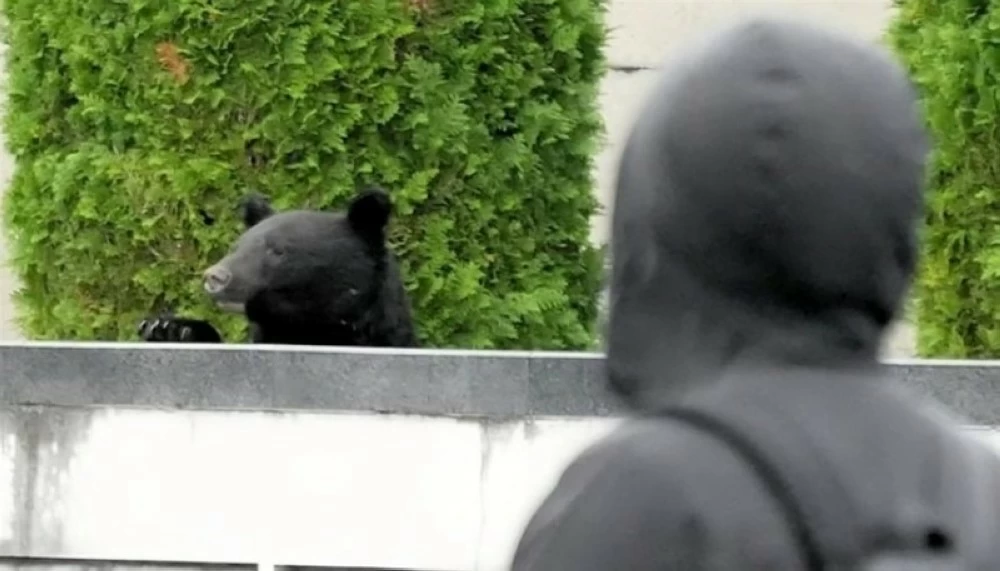
وسط تصاعد غير مسبوق في هجمات الدببة البرية، رفعت اليابان مستوى التأهب الأمني بعد تسجيل أعلى حصيلة ضحايا منذ أكثر من عقد، ما دفع السلطات لاتخاذ إجراءات استثنائية لاحتواء الموقف.
وكشفت وسائل إعلام محلية أن الحكومة لجأت إلى ضباط الشرطة المتقاعدين والجنود السابقين ومنحتهم تراخيص صيد رسمية، لتعويض النقص الحاد في الصيادين المحترفين، بالتزامن مع تعديل قوانين الأسلحة النارية بما يسمح باستخدام البنادق ضد الدببة في حالات الطوارئ بهدف الحد من الحوادث المميتة.
وفي تطور لافت، أصدرت السفارة الأمريكية تحذيراً أمنياً لمواطنيها في اليابان، طالبت فيه بتوخي الحذر خصوصاً في المناطق المأهولة القريبة من الغابات، مشيرة إلى تسجيل نحو 100 حادثة اعتداء منذ أبريل الماضي، أسفرت عن 13 وفاة، بحسب بيانات وزارة البيئة اليابانية. وشددت السفارة على ضرورة مراقبة المحيط، والإبلاغ عن أي ظهور للدببة، والابتعاد عن الأسواق والمدارس ومحطات الحافلات التي شهدت بالفعل حوادث سابقة.
وتتركز الهجمات في المناطق الجبلية الشمالية، إذ رُصدت دببة بالقرب من محطات حافلات وأسواق ومدارس، وصولاً إلى المنتجعات الحرارية، ما تسبب بإغلاق مؤقت لحديقة ماروياما في سابورو قرب القنصلية الأمريكية، إضافة إلى إيقاف حركة مدرج مطار إيواتي هاناماكي بعد ظهور دب في محيطه.
واضطرت قوات الجيش الياباني للتدخل في محافظة أكيتا ونقل الفخاخ الحديدية، فيما تشارك الجنود والصيادين المحليين في ملاحقة الدببة باستخدام رشاشات خاصة ودروع واقية، قبل التخلص من الجثث بطريقة منظمة.
ويرجّح الخبراء أن تصاعد الهجمات مرتبط بانخفاض عدد السكان في القرى، ما سمح بتمدد موائل الدببة، إلى جانب تأثيرات التغير المناخي على مصادر الغذاء وأنماط السبات الشتوي.
Amid an unprecedented rise in bear attacks, Japan has raised its security alert level after recording the highest number of casualties in over a decade, prompting authorities to take extraordinary measures to contain the situation.
Local media revealed that the government has turned to retired police officers and former soldiers, granting them official hunting licenses to compensate for the severe shortage of professional hunters, alongside amending firearms laws to allow the use of rifles against bears in emergencies to reduce fatal incidents.
In a notable development, the U.S. Embassy issued a security warning to its citizens in Japan, urging caution especially in populated areas near forests, noting that nearly 100 attack incidents have been recorded since April, resulting in 13 fatalities, according to data from the Japanese Ministry of the Environment. The embassy emphasized the need to monitor the surroundings, report any bear sightings, and avoid markets, schools, and bus stations that have already experienced previous incidents.
The attacks are concentrated in the northern mountainous regions, where bears have been spotted near bus stations, markets, and schools, extending to hot spring resorts, which led to the temporary closure of Maruyama Park in Sapporo near the U.S. consulate, as well as the suspension of operations at Iwate Hanamaki Airport after a bear was sighted in its vicinity.
The Japanese army has been forced to intervene in Akita Prefecture, relocating iron traps, while soldiers and local hunters participate in tracking bears using special rifles and protective gear, before disposing of the carcasses in an organized manner.
Experts suggest that the rise in attacks is linked to a declining population in villages, which has allowed bear habitats to expand, along with the impacts of climate change on food sources and hibernation patterns.