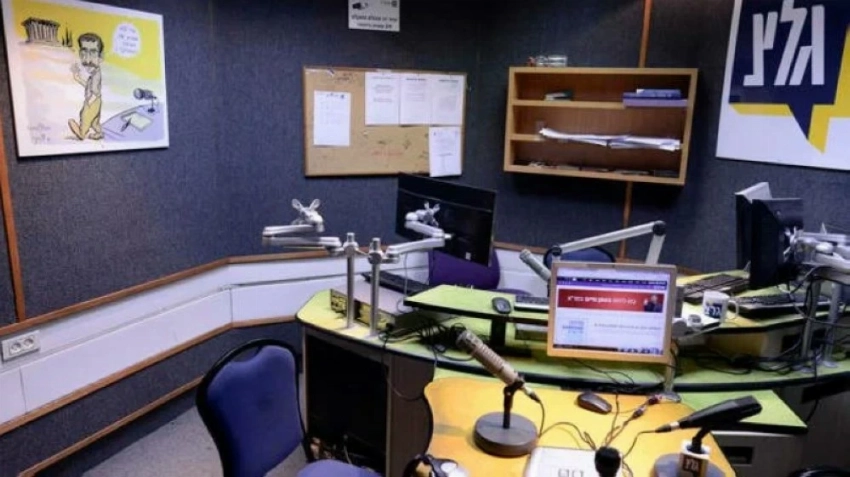
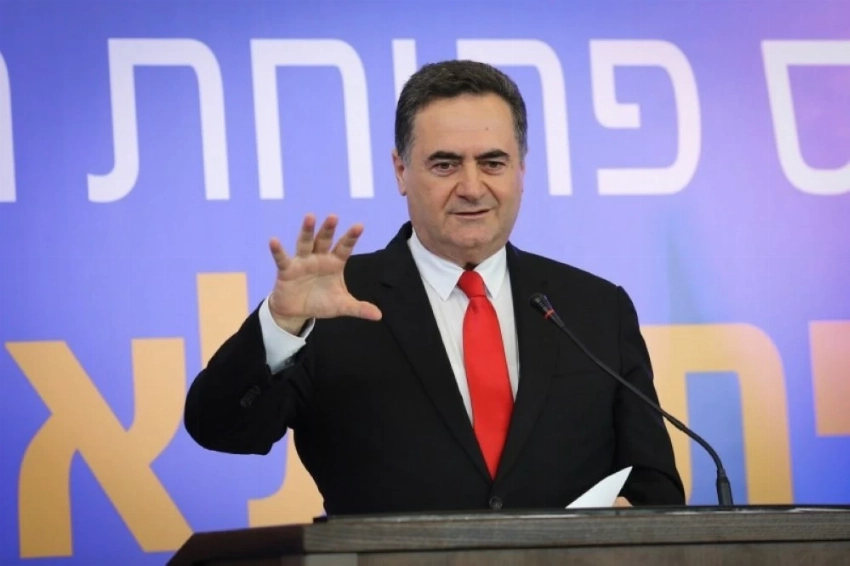
أعلنت إذاعة الجيش الإسرائيلي (غلي تساهال) اليوم الأربعاء، قرار وزير الدفاع يسرائيل كاتس بإغلاقها نهائيًا، بعد نحو 75 عامًا من البث، مما أثار موجة من الاحتجاجات والجدل حول مستقبل الإعلام العام في البلاد.
موجة عسكرية
ونص القرار على أنه سيتم وقف البث الكامل بحلول 1 مارس 2026، مع إنشاء فريق مهني داخل وزارة الدفاع لتنفيذ الإجراء وضمان انتقال سلس للموظفين، في خطوة وُصفت بأنها «ضرورية لحماية حياد الجيش».
وتعد إذاعة غلي تساهال، المعروفة شعبيا بـ«جالجال تساهال» أو إذاعة الجيش الإسرائيلي، محطة إذاعية تأسست في عام 1950 كأداة عسكرية لخدمة الجنود والعائلات، معتمدة على التمويل العام وتشغيلها بواسطة جنود ومدنيين داخل الجيش الإسرائيلي، وتعد واحدة من أكثر الإذاعات شعبية في إسرائيل.
موجة عسكرية
وأكد كاتس في بيان رسمي نشرته الإذاعة على موقعها الإلكتروني، أنه سيُقدم اقتراحًا للحكومة قريبًا للمصادقة على الإغلاق، مشيرًا إلى أن «غلي تساهال أُنشئت كمحطة عسكرية لتكون صوتًا وأذنًا للجنود والعائلات، لا منصة للآراء الشخصية التي تهاجم الجيش وجنوده».
موجة عسكرية
استثناء غير موجود
وأضاف أن تشغيل إذاعة مدنية تحت سيطرة عسكرية هو استثناء غير موجود في أي ديمقراطية أخرى، ويُجر الجيش إلى الجدل السياسي مما يُضعف دوره كجيش الشعب.
وسيُشكل الفريق الجديد، برئاسة مسؤولين من الوزارة، للتعامل مع جميع جوانب الإغلاق، بما في ذلك ترتيبات العمل للموظفين المدنيين (نحو 100 شخص) والجنود الذين يخدمون فيها، مع التركيز على الحفاظ على حقوقهم وحصولهم على تعويضات عادلة.
وجاء القرار بعد أشهر من التوتر، حيث شكل كاتس في يونيو الماضي لجنة استشارية برئاسة الجنرال المتقاعد إيال زامير، رغم تحذيرات النائبة العامة غالي بهاراف ميارا من عيوب إجرائية في تشكيلها.
وأوصت اللجنة في تقريرها الشهر الماضي بخيارين رئيسيين: إغلاق المحطة كليًا أو إيقاف برامجها الإخبارية والسياسية، معتبرة أنها تُهدر موارد الدفاع (ملايين الشيكل سنويًا) وتُحول الجيش إلى «لاعب سياسي».
ورفض كاتس الخيار الثاني، مفضلاً الإغلاق الكامل، وقال إن «ما كان لن يكون بعد الآن»، مشيرًا إلى محاولات سابقة من وزراء دفاع مثل أفيغدور ليبرمان في 2017 لإصلاحها دون نجاح.
وأثار الإعلان ردود فعل حادة، حيث أعلنت نقابة الصحفيين الإسرائيليين أنه «هجوم على حرية الإعلام»، مطالبة بتدخل المحكمة العليا، بينما حذرت المعارضة البرلمانية من أنه جزء من حملة الحكومة للسيطرة على الإعلام، خاصة بعد إغلاق محاولات سابقة لإذاعة «كان» العامة.
The Israeli army radio (Gali Tzahal) announced today, Wednesday, the decision of Defense Minister Israel Katz to close it permanently, after nearly 75 years of broadcasting, which sparked a wave of protests and controversy over the future of public media in the country.
موجة عسكرية
The decision stated that full broadcasting will cease by March 1, 2026, with the establishment of a professional team within the Ministry of Defense to implement the procedure and ensure a smooth transition for employees, in a move described as "necessary to protect the army's neutrality."
Gali Tzahal, popularly known as "Galgal Tzahal" or the Israeli army radio, is a radio station established in 1950 as a military tool to serve soldiers and their families, relying on public funding and operated by soldiers and civilians within the Israeli army, and is considered one of the most popular radio stations in Israel.
موجة عسكرية
Katz confirmed in an official statement published by the radio on its website that he will soon present a proposal to the government for the approval of the closure, noting that "Gali Tzahal was established as a military station to be the voice and ear of soldiers and families, not a platform for personal opinions that attack the army and its soldiers."
موجة عسكرية
No Existing Exception
He added that operating a civilian radio under military control is a non-existent exception in any other democracy, dragging the army into political controversy, which undermines its role as the army of the people.
The new team will be formed, led by officials from the ministry, to address all aspects of the closure, including work arrangements for the civilian employees (about 100 people) and soldiers serving there, focusing on preserving their rights and ensuring they receive fair compensation.
The decision came after months of tension, as Katz formed an advisory committee last June headed by retired General Eyal Zamir, despite warnings from Attorney General Gali Baharav-Miara about procedural flaws in its formation.
The committee recommended in its report last month two main options: to close the station completely or to stop its news and political programs, considering that they waste defense resources (millions of shekels annually) and turn the army into a "political player."
Katz rejected the second option, preferring complete closure, stating that "what was will no longer be," referring to previous attempts by defense ministers such as Avigdor Lieberman in 2017 to reform it without success.
The announcement sparked sharp reactions, with the Israeli Journalists' Union declaring it "an attack on press freedom," demanding intervention from the Supreme Court, while the parliamentary opposition warned that it is part of the government's campaign to control the media, especially after previous attempts to close the public "Kan" radio.