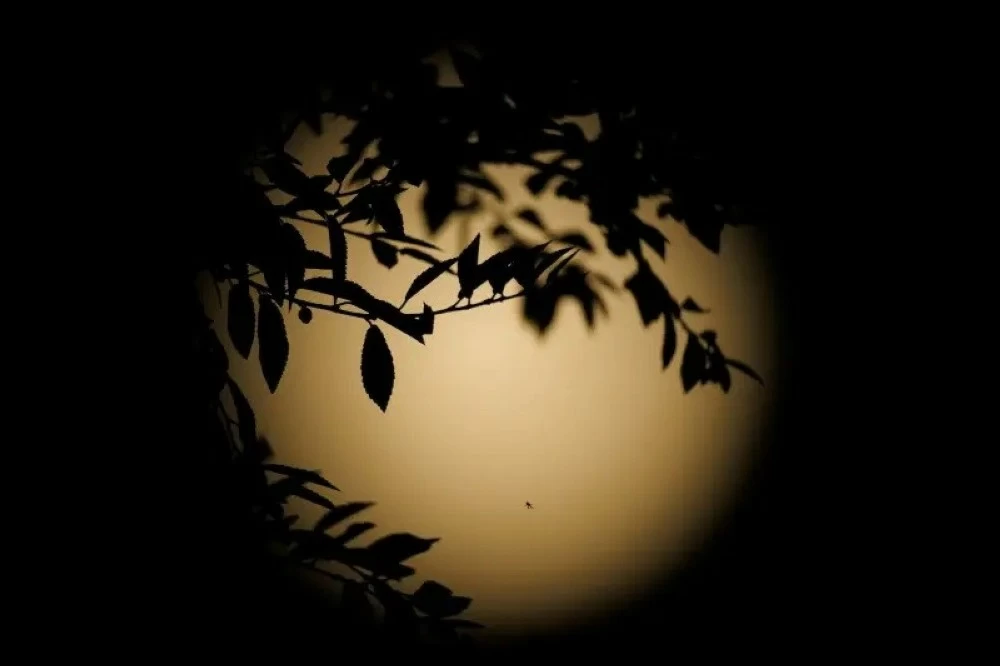
شهد سكان كوكب الأرض ليلة استثنائية حين أضاء القمر العملاق السماء في مشهد فلكي أسر أنظار الملايين حول العالم. وتحدث هذه الظاهرة المدهشة عندما يقترب القمر من أقرب نقطة له في مداره الإهليلجي حول الأرض، وهو ما يجعله يبدو أكثر سطوعاً وأكبر حجماً من المعتاد.
وبحسب علماء الفلك، فإن هذه الظاهرة تُعرف علمياً باسم «نقطة الحضيض»، حيث يصل القمر إلى أقرب مسافة له من الأرض، ما يعزز انعكاس الضوء ويجعل البدر يبدو أكثر إشراقاً بنسبة تصل إلى 30% مقارنة بالبدر العادي.
ولا يسبب القمر العملاق كوارث طبيعية أو اضطرابات جيولوجية، لكنه قد يؤثر بشكل طفيف على ظاهرتي المد والجزر نتيجة زيادة قوة الجاذبية القمرية.
ويُعرف قمر نوفمبر تقليدياً باسم «قمر القنادس»، إذ كانت الشعوب الأمريكية الأصلية تعتبر ظهوره إشارة لبدء موسم صيد القنادس قبل تجمد الأنهار في الشتاء.
أما مصطلح «القمر العملاق»، فقد صيغ لأول مرة عام 1979 لوصف اللحظة التي يتزامن فيها اكتمال القمر مع اقترابه من الأرض، وهي ظاهرة تتكرر مرات قليلة في العام، لكنها تبقى من أكثر المشاهد الفلكية روعة وإبهاراً لعشاق السماء.
The inhabitants of planet Earth witnessed an extraordinary night when the giant moon illuminated the sky in a celestial scene that captivated millions around the world. This amazing phenomenon occurs when the moon approaches its closest point in its elliptical orbit around the Earth, making it appear brighter and larger than usual.
According to astronomers, this phenomenon is scientifically known as the "perigee," where the moon reaches its closest distance to Earth, enhancing the reflection of light and making the full moon appear up to 30% brighter compared to a regular full moon.
The giant moon does not cause natural disasters or geological disturbances, but it may have a slight effect on the phenomena of tides due to the increased strength of lunar gravity.
The November moon is traditionally known as the "Beaver Moon," as Native American tribes considered its appearance a signal to begin the beaver hunting season before the rivers froze in winter.
The term "supermoon" was first coined in 1979 to describe the moment when a full moon coincides with its approach to Earth, a phenomenon that occurs only a few times a year, yet remains one of the most stunning and breathtaking celestial displays for sky enthusiasts.