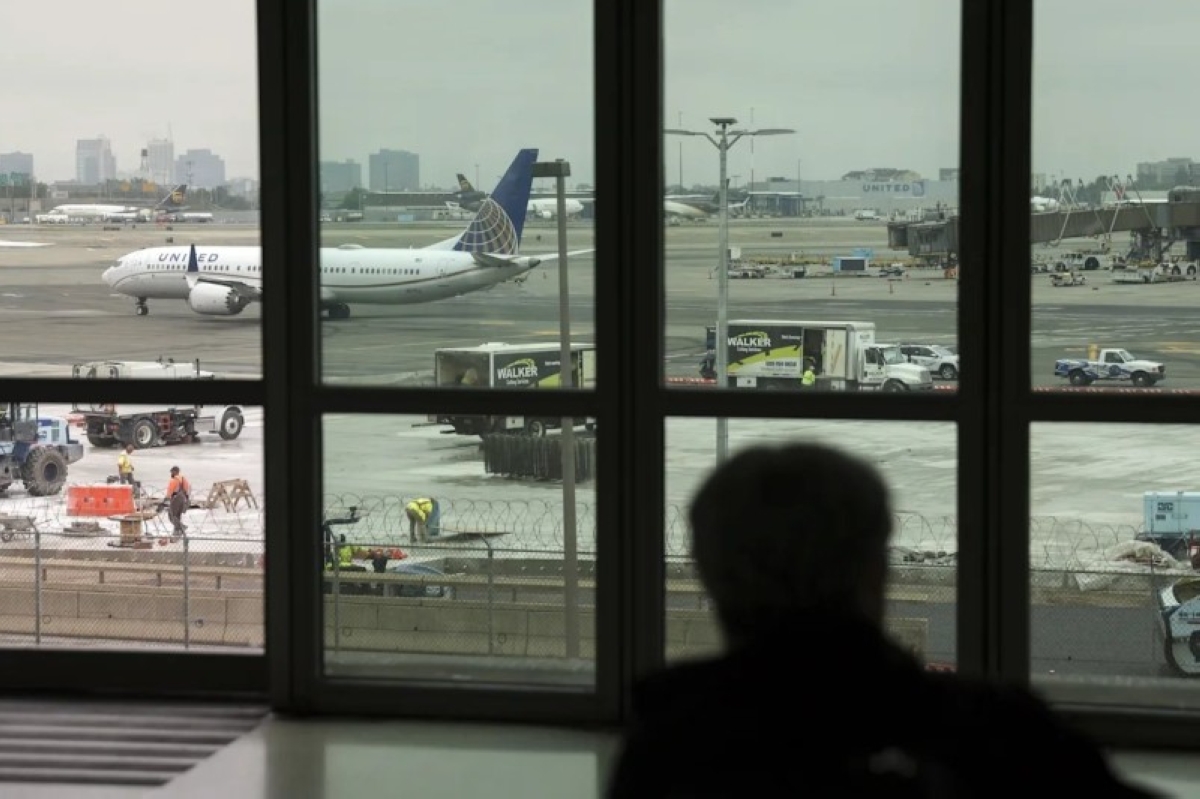
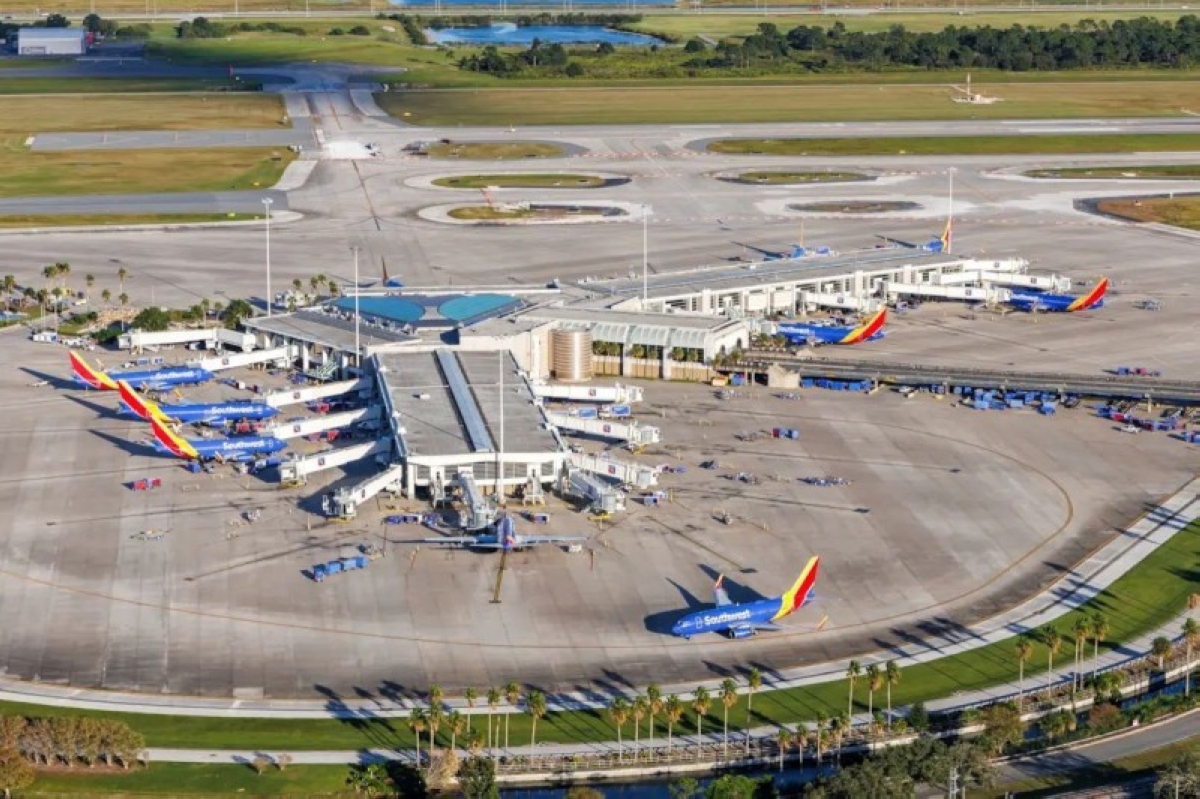
كشفت تقارير أمريكية اليوم (الإثنين) أن نقص مراقبي الحركة الجوية، الناتج عن الإغلاق الحكومي الفيدرالي الذي يدخل يومه الـ34، أدى إلى إلغاء وتأخير آلاف الرحلات منذ بدايته في 1 أكتوبر الماضي، مما أثر على نحو 3.2 مليون راكب عبر الولايات المتحدة.
ووفقاً لتقارير من إدارة الطيران الفيدرالية ووسائل إعلام أمريكية أدت هذه الاختناقات إلى فوضى شاملة في جداول الرحلات، وزيادة شكاوى الركاب، مع تأجيل بعض الرحلات لأيام كاملة، في أسوأ أزمة طيران منذ الإغلاق السابق عام 2019.
وبدأ الإغلاق الحكومي في 1 أكتوبر بسبب خلافات في الكونغرس حول ميزانية الدفاع والرعاية الصحية، مما أثر على 800 ألف موظف فيدرالي، بما في ذلك 13 ألف مراقب حركة جوية يُعتبرون «عمالاً أساسيين» ويجب عليهم العمل دون رواتب.
وتسبب النقص العددي لمراقبي الحركة الجوية الذي يبلغ نحو 3000 مراقب من إجمالي 11 ألف، كان موجوداً قبل الإغلاق، لكنه تفاقم بسبب زيادة الغيابات (مثل الإجازات المرضية احتجاجاً أو البحث عن وظائف مؤقتة)، مما أدى إلى إعلان «تريغرز» (إشارات نقص) في 393 مرفقاً جوياً منذ بداية الإغلاق – أربع مرات أكثر من العام الماضي.
وأدى النقص إلى تأخير 7300 رحلة وإلغاء 1250 أخرى في يوم واحد فقط الخميس الماضي، مع تأخيرات تصل إلى 140 دقيقة في مطار لاغوارديا بنيويورك، وإغلاق مؤقت لمطار لوس أنجلوس الدولي بسبب نقص في مرفق TRACON الجنوب كاليفورني.
وعلى مدار الإغلاق، تأثرت 50 من أكبر 30 مطاراً، بما في ذلك دالاس/فورت وورث، واشنطن دي سي، وناشفيل، حيث أبلغت إدارة الطيران الفيدرالية عن 393 «تريغر» وهي إشارة تحذيرية تصدرها إدارة الطيران عندما ينخفض عدد المراقبين الجويين المتاحين، مما أثر على 3.2 مليون راكب حتى الآن.
وأعرب وزير النقل شون دوفي عن «القلق الشديد»، محذراً من أن «الأزمة ستزداد سوءاً في الأسابيع القادمة»، مشيراً إلى أن «المراقبين يعملون ساعات إضافية إجبارية، مما يزيد من الإرهاق».
ومع اقتراب عطلة عيد الشكر، يُتوقع تفاقم التأخيرات إلى 10 آلاف رحلة يومياً، مما قد يضغط على الكونغرس للتصويت على «قرار تمويل نظيف»، كما حدث سابقاً، حيث أعلنت إدارة الطيران الفيدرالية خطط طوارئ لإعادة توجيه الرحلات، لكن الخبراء يحذرون من «انهيار النظام» إذا لم يُحَل الخلاف.
American reports revealed today (Monday) that the shortage of air traffic controllers, resulting from the federal government shutdown that is entering its 34th day, has led to the cancellation and delay of thousands of flights since it began on October 1, affecting approximately 3.2 million passengers across the United States.
According to reports from the Federal Aviation Administration and American media, these bottlenecks have caused widespread chaos in flight schedules and an increase in passenger complaints, with some flights being delayed for entire days, marking the worst aviation crisis since the previous shutdown in 2019.
The government shutdown began on October 1 due to disagreements in Congress over the defense and healthcare budgets, affecting 800,000 federal employees, including 13,000 air traffic controllers who are considered "essential workers" and must work without pay.
The numerical shortage of air traffic controllers, which stands at about 3,000 out of a total of 11,000 that were present before the shutdown, has been exacerbated by increased absenteeism (such as sick leave in protest or seeking temporary jobs), leading to the declaration of "triggers" in 393 air traffic facilities since the start of the shutdown – four times more than last year.
The shortage resulted in the delay of 7,300 flights and the cancellation of 1,250 others in just one day last Thursday, with delays reaching up to 140 minutes at LaGuardia Airport in New York, and a temporary closure of Los Angeles International Airport due to a shortage at the Southern California TRACON facility.
Throughout the shutdown, 50 of the largest 30 airports were affected, including Dallas/Fort Worth, Washington D.C., and Nashville, where the Federal Aviation Administration reported 393 "triggers," which is a warning signal issued by the FAA when the number of available air traffic controllers drops, affecting 3.2 million passengers so far.
Transportation Secretary Sean Duffy expressed "serious concern," warning that "the crisis will worsen in the coming weeks," noting that "controllers are working mandatory overtime, which increases fatigue."
As the Thanksgiving holiday approaches, delays are expected to worsen to 10,000 flights daily, which may pressure Congress to vote on a "clean funding resolution," as happened previously, while the Federal Aviation Administration announced emergency plans to reroute flights, but experts warn of a "system collapse" if the dispute is not resolved.