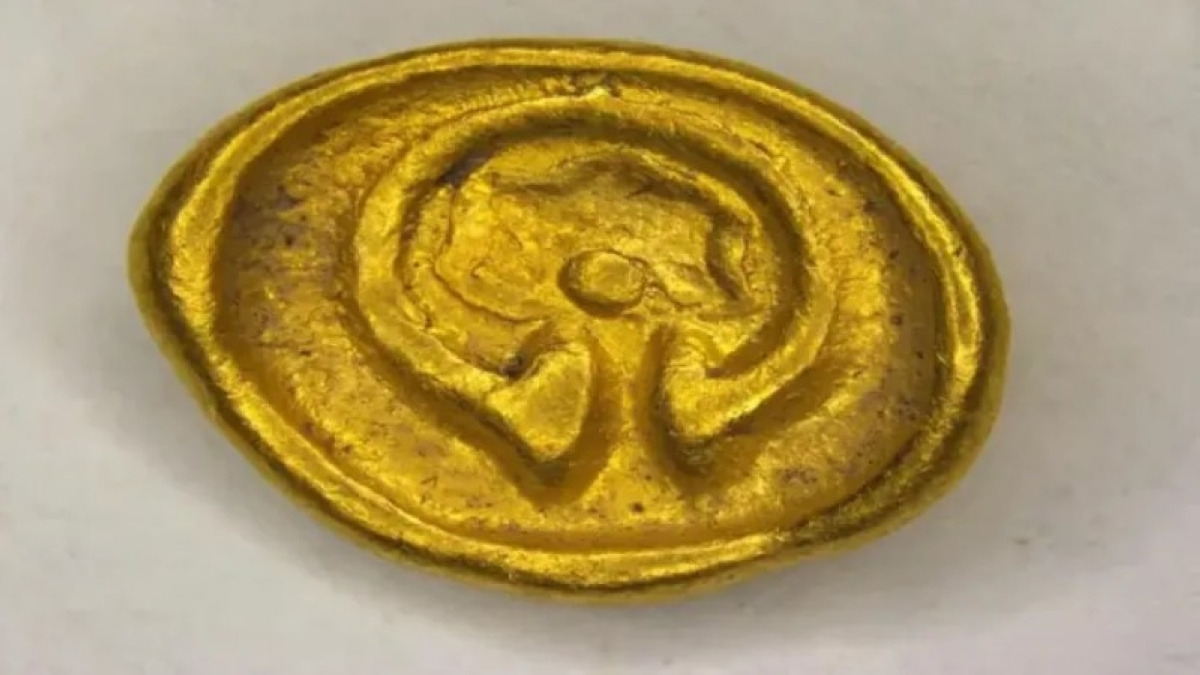
اكتشف شخص في ساكسونيا، عملة ذهبية نادرة تعود إلى 2200 عام، تُعد أقدم عملة سلتية تم العثور عليها في المنطقة، وتُعرف باسم «كأس قوس قزح». وأعلن مكتب الآثار في ساكسونيا أن العملة الذهبية، التي عثر عليها بالقرب من مدينة لايبزيغ الألمانية على يد كاشف المعادن المعتمد دانيال فيست، خضعت لعدة أشهر من التحليل قبل الإعلان الرسمي عنها.
وأكدت البروفيسورة باربرا كليبش أن وجود هذه العملة في ساكسونيا يُعد نادراً، إذ لم يُعثر حتى الآن إلا على 11 قطعة مماثلة، ما يوفر رؤى جديدة حول التجارة المبكرة بين ساكسونيا والسلتيين.
وأطلق على العملة لقب «أكواب قوس قزح» نظراً لشكلها الشبيه بالوعاء، وهو ما يرتبط بالأسطورة القديمة التي تشير إلى وجود كنز في نهاية قوس قزح، لتصبح رمزاً محتملاً للحظ، ومن المرجح أن الأسطورة نشأت بسبب العواصف المطرية التي كانت تكشف العملات المعدنية من التربة إلى حقول المزارعين.
ويُظهر الوجه الأمامي للعملة رأساً مزخرفاً يُرجح أنه غزال، بينما يحتوي الوجه الآخر على حلقة مفتوحة العنق، ونجمة بزوايا مستديرة، وكرة، ويُعتقد أنها سُكّت في شمال بوهيميا في القرن الثالث قبل الميلاد، وهو أحد أهم مراكز السلتيين آنذاك.
وأشار علماء الآثار إلى أن العملة لم تُستخدم في التداول اليومي، بل كانت على الأرجح رمزاً للمكانة الاجتماعية والثروة لأحد أعضاء النخبة، ما يعكس علاقات التبادل الثقافي بين ساكسونيا والسلتيين.
A person in Saxony discovered a rare gold coin dating back 2200 years, which is considered the oldest Celtic coin found in the region, known as the "Rainbow Cup." The Saxony Office of Archaeology announced that the gold coin, which was found near the German city of Leipzig by certified metal detectorist Daniel Wist, underwent several months of analysis before its official announcement.
Professor Barbara Klipsch confirmed that the presence of this coin in Saxony is rare, as only 11 similar pieces have been found so far, providing new insights into early trade between Saxony and the Celts.
The coin has been dubbed the "Rainbow Cups" due to its bowl-like shape, which is linked to the ancient legend that suggests a treasure lies at the end of a rainbow, making it a potential symbol of luck. It is likely that the legend arose from rainstorms that revealed coins from the soil to farmers' fields.
The front of the coin features an ornate head believed to be that of a deer, while the other side displays an open-neck ring, a star with rounded angles, and a ball. It is thought to have been minted in northern Bohemia in the 3rd century BC, one of the most important centers of the Celts at that time.
Archaeologists noted that the coin was not used for daily transactions but was likely a symbol of social status and wealth for a member of the elite, reflecting the cultural exchange relationships between Saxony and the Celts.