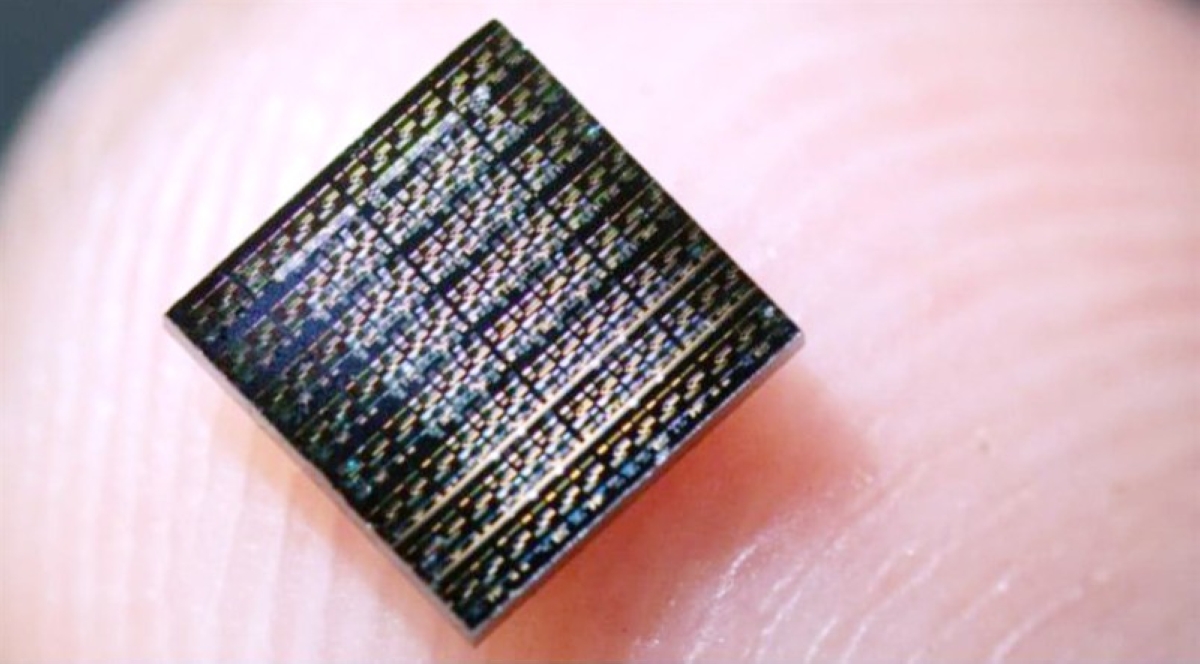
أعلن فريق بحثي من جامعة جنوب كاليفورنيا (USC) بقيادة البروفيسور جوشوا يانغ، مدير مركز التميز في الحوسبة العصبية، ابتكار خلايا عصبية اصطناعية تحاكي السلوك الكهروكيميائي للدماغ البشري، في إنجاز علمي قد يُحدث ثورة في تطوير أجهزة ذكاء اصطناعي قادرة على التفكير التكيفي والتعلم الذاتي.
واستند المشروع، المنشور في مجلة Nature Nanotechnology، إلى تقنية «المقاومات الذاكرية الانتشارية»، التي تعتمد على حركة الأيونات بدلاً من الإلكترونات، ما يقلل استهلاك الطاقة إلى نحو 20 واط فقط — وهو مستوى قريب من استهلاك الدماغ البشري في الراحة.
وأشار الباحثون إلى أن التصميم الجديد يتيح دمج خلايا متعددة داخل دائرة ميكروية واحدة بحجم ترانزستور واحد، ما يفتح الباب أمام بناء شبكات عصبية اصطناعية تتعلم من البيانات القليلة بسرعة عالية وكفاءة طاقة غير مسبوقة.
A research team from the University of Southern California (USC), led by Professor Joshua Yang, director of the Neurocomputing Excellence Center, has announced the innovation of artificial neural cells that mimic the electrochemical behavior of the human brain, in a scientific achievement that could revolutionize the development of artificial intelligence devices capable of adaptive thinking and self-learning.
The project, published in the journal Nature Nanotechnology, is based on the technology of "memristive resistors," which relies on the movement of ions instead of electrons, reducing energy consumption to about 20 watts only — a level close to the energy consumption of the human brain at rest.
The researchers noted that the new design allows for the integration of multiple cells within a single microcircuit the size of a single transistor, opening the door to building artificial neural networks that learn from minimal data at high speed and unprecedented energy efficiency.