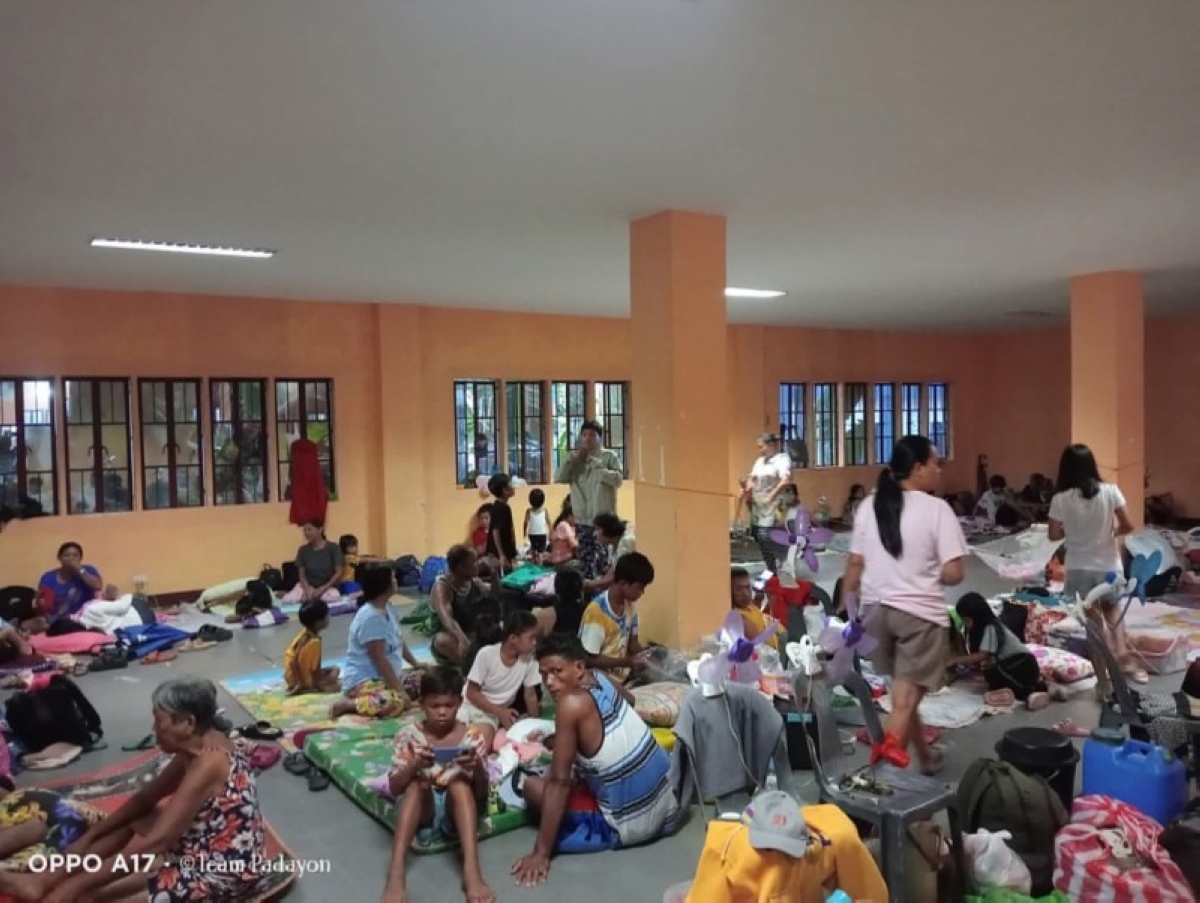
أعلنت السلطات الفلبينية، اليوم (الإثنين)، إجلاء عشرات الآلاف من السكان في المقاطعات الساحلية الشرقية، خصوصا في فيساياس ومناطق لوزون الجنوبية، في محاولة للحماية من اقتراب الإعصار تينو، الذي يُعد الإعصار العشرين هذا العام.
ووفقا لوكالة الأرصاد الجوية الفلبينية، يتحرك الإعصار غربا بسرعة 30 كم/ساعة، مع رياح تصل إلى 110 كم/ساعة وقدرتها على الوصول إلى فئة الإعصار القوي قبل هبوطه المتوقع في شرق سامار أو ليتي مساء اليوم أو فجر الثلاثاء، ما يهدد بأضرار مدمرة تشبه تلك الناتجة عن إعصار هايان الشهير عام 2013.
ودخل «تينو» منطقة المسؤولية الفلبينية صباح الأحد الماضي كعاصفة استوائية شديدة، وتصاعد سريعا إلى إعصار فئة 1 بحلول الصباح الباكر اليوم، مع توقعات بتعزيز سريع يصل إلى 140-155 كم/ساعة قبل الهبوط الأول.
وتتوقع وكالة الأرصاد الجوية الفلبينية أن يعبر الإعصار فيساياس ثم شمال بالاوان قبل الخروج إلى بحر الفلبين الغربي يوم الأربعاء، مع إمكانية الوصول إلى فئة الإعصار الفائق، ليصبح هذا الإعصار هو الـ20 في موسم 2025، الذي تجاوز بالفعل الحد الأوسط السنوي (20 إعصارا)، مما يعكس تأثير التغير المناخي الذي يزيد من شدة العواصف في المحيط الهادئ.
وأعرب الرئيس فيرديناند ماركوس جونيور عن «التأهب الكامل»، مشددا على أن «الحياة تأتي أولا»، بينما حذرت وكالة الأرصاد من مخاطر «شديدة إلى كارثية» في المناطق تحت إشارة الرياح رقم 2 و3، بما في ذلك نيغروس أوكسيدنتال وديناغات.
وفي السنوات الأخيرة، تسبب إعصار هايان (يوري في الفلبين) في مقتل أكثر من 7300 شخص في ليتي وسامار عام 2013، بينما أدى إعصار بوالوي في سبتمبر الماضي إلى مقتل 37 في الفلبين و51 في فيتنام، مع إجلاء 300000 شخص.
وبدأت عمليات الإجلاء الوقائي صباح اليوم في مقاطعات مثل شرق سامار، ليتي، وديناغات آيلاندز، إذ أمر حاكم ليتي كارلوس جيريكو بيتيلا بتعليق الدراسة والعمل ووضع الولاية تحت حالة تأهب حمراء، ما أدى إلى نقل آلاف السكان من المناطق المنخفضة والساحلية إلى مراكز آمنة.
كما أوقفت الخدمة الساحلية للبنوك في شرق سامار جميع الرحلات البحرية، وألغت نحو 30 رحلة جوية، بما في ذلك عشرات الرحلات من سيبو، وفي سيارغاو السياحية، وأوقفت السلطات السياحة والصيد، مع تحذيرات من ارتفاع الأسعار والشراء الذعري، إذ نصح عمدة سيبو ناستور أرشيفال السكان بشراء حاجات لثلاثة أيام فقط.
The Philippine authorities announced today (Monday) the evacuation of tens of thousands of residents in the eastern coastal provinces, particularly in the Visayas and southern Luzon regions, in an effort to protect them from the approaching Typhoon Tino, which is the twentieth typhoon this year.
According to the Philippine Atmospheric, Geophysical and Astronomical Services Administration (PAGASA), the typhoon is moving west at a speed of 30 km/h, with winds reaching up to 110 km/h and the potential to reach strong typhoon category before its expected landfall in Eastern Samar or Leyte this evening or early Tuesday, threatening devastating damage similar to that caused by the famous Typhoon Haiyan in 2013.
Tino entered the Philippine area of responsibility last Sunday morning as a severe tropical storm, rapidly intensifying to a Category 1 typhoon by early this morning, with forecasts of rapid strengthening to 140-155 km/h before its initial landfall.
PAGASA expects the typhoon to cross the Visayas and then northern Palawan before exiting into the West Philippine Sea on Wednesday, with the possibility of reaching super typhoon category, making this the 20th typhoon of the 2025 season, which has already surpassed the annual average threshold (20 typhoons), reflecting the impact of climate change that increases the intensity of storms in the Pacific.
President Ferdinand Marcos Jr. expressed "full preparedness," emphasizing that "life comes first," while the weather agency warned of "severe to catastrophic" risks in areas under wind signals number 2 and 3, including Negros Occidental and Dinagat.
In recent years, Typhoon Haiyan (Yolanda in the Philippines) caused the deaths of more than 7,300 people in Leyte and Samar in 2013, while Typhoon Bualoi last September resulted in 37 deaths in the Philippines and 51 in Vietnam, with 300,000 people evacuated.
Preventive evacuation operations began this morning in provinces such as Eastern Samar, Leyte, and Dinagat Islands, as Leyte Governor Carlos Jerico Petilla ordered the suspension of classes and work and placed the province under red alert, leading to the relocation of thousands of residents from low-lying and coastal areas to safe centers.
The coastal banking service in Eastern Samar also suspended all maritime trips and canceled about 30 flights, including dozens from Cebu, while in the tourist area of Siargao, authorities halted tourism and fishing, with warnings of price hikes and panic buying, as Cebu Mayor Nestor Archival advised residents to purchase supplies for only three days.