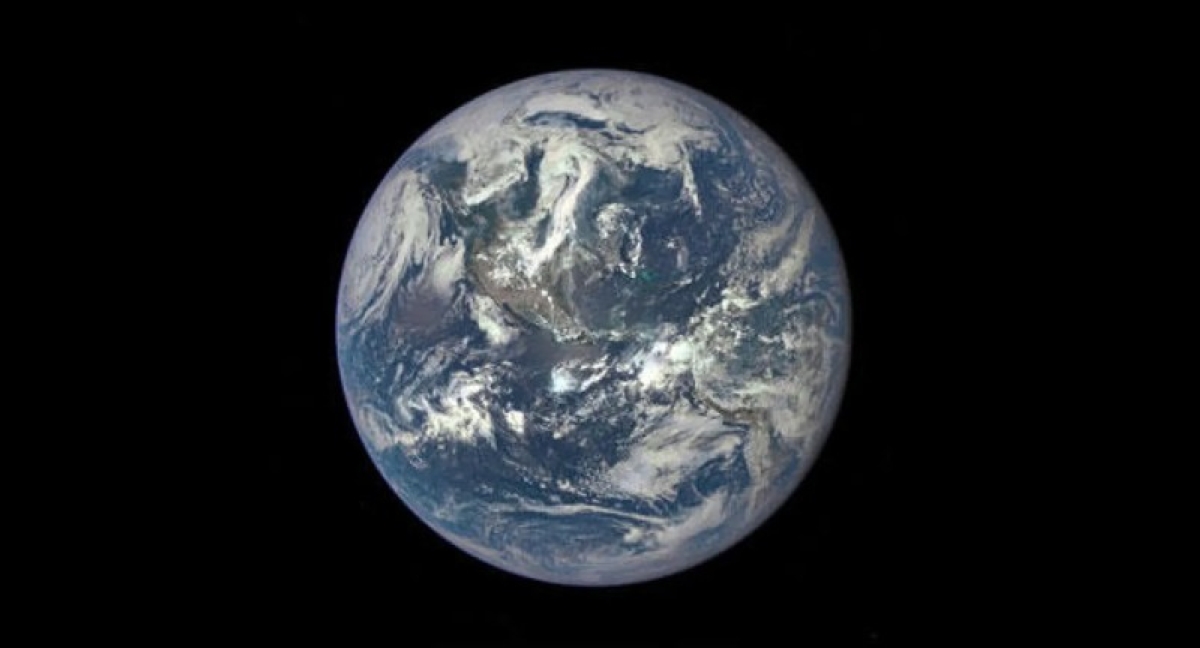
في مفارقة علمية غير متوقعة، كشف باحثون أن الجهود العالمية لإصلاح طبقة الأوزون التي اعتُبرت واحدة من أنجح قصص البيئة في التاريخ، قد تكون ساهمت عن غير قصد في زيادة حرارة الأرض، ما أضاف عبئاً جديداً على ظاهرة الاحتباس الحراري، فبينما نجح العالم في ترميم طبقة الأوزون، تَبيَّن أن هذه الخطوات ذاتها قد تكون أشعلت ناراً خفية في مناخ الأرض.
ونجح حظر هذه المواد في إعادة ملء الغلاف الجوي العلوي بالأوزون، إلا أن هذه الزيادة في الغاز الآن تعمل كغطاء يحبس الحرارة التي كانت ستتسرب إلى الفضاء، ما أسهم في رفع حرارة الأرض.
وأظهرت دراسة حديثة لفريق دولي من الولايات المتحدة وأوروبا أن ارتفاع مستويات الأوزون، سواء بسبب تعافي الطبقة أو التلوث المستمر، سيؤدي إلى حبس حرارة إضافية بنسبة تصل إلى 40% بحلول 2050، ما يقلص معظم الفوائد المناخية الناتجة عن حظر المواد المستنفدة للأوزون.
واستخدم الباحثون -وفقاً لـ«ديلي ميل»- سبعة نماذج حاسوبية لمحاكاة الغلاف الجوي والطقس والمواد الكيميائية بين 2015 و2050، وخلصوا إلى أن أكثر من ثلث الحرارة الزائدة ستأتي من تعافي الأوزون فوق القارة القطبية الجنوبية، بينما تأتي النسبة الأكبر من الضباب الدخاني وعوادم السيارات قرب سطح الأرض.
وقال البروفيسور ويليام كولينز من جامعة ريدينغ البريطانية: «حظر المواد الكيميائية الضارة بالأوزون خطوة ضرورية، رغم أن تعافي الأوزون نفسه يزيد من حرارة الكوكب».
وحذر العلماء من أن استمرار الاحتباس الحراري سيؤدي إلى صيف أكثر حرارة، وارتفاع مستويات البحار، وصعوبة تحقيق أهداف المناخ، مؤكدين أن خفض تلوث الهواء أصبح أمراً عاجلاً.
في المقابل، فإن ترك ثقب في طبقة الأوزون سيعرض الأرض لأشعة الشمس الضارة، ما يزيد خطر الإصابة بسرطان الجلد ومشكلات العين، ويؤثر سلباً في النباتات البحرية الدقيقة التي تنتج نصف الأكسجين في الغلاف الجوي، مهدداً السلسلة الغذائية والمحاصيل الزراعية.
In an unexpected scientific paradox, researchers have revealed that global efforts to repair the ozone layer, which was considered one of the most successful environmental stories in history, may have inadvertently contributed to the increase in Earth's heat, adding a new burden to the phenomenon of global warming. While the world has succeeded in restoring the ozone layer, it has become apparent that these very steps may have ignited a hidden fire in the Earth's climate.
The ban on these substances has successfully replenished the upper atmosphere with ozone, but this increase in gas now acts as a blanket that traps heat that would have escaped into space, contributing to the rise in Earth's temperature.
A recent study by an international team from the United States and Europe has shown that rising ozone levels, whether due to the recovery of the layer or ongoing pollution, will lead to additional heat trapping of up to 40% by 2050, significantly reducing most of the climate benefits resulting from the ban on ozone-depleting substances.
The researchers used - according to the "Daily Mail" - seven computer models to simulate the atmosphere, weather, and chemicals between 2015 and 2050, concluding that more than a third of the excess heat will come from the recovery of ozone over Antarctica, while the largest share comes from smog and car emissions near the Earth's surface.
Professor William Collins from the University of Reading in the UK stated: "The ban on ozone-depleting chemicals is a necessary step, even though the recovery of ozone itself increases the planet's heat."
Scientists have warned that continued global warming will lead to hotter summers, rising sea levels, and difficulties in achieving climate goals, emphasizing that reducing air pollution has become an urgent matter.
On the other hand, leaving a hole in the ozone layer would expose the Earth to harmful sunlight, increasing the risk of skin cancer and eye problems, negatively affecting the microscopic marine plants that produce half of the oxygen in the atmosphere, threatening the food chain and agricultural crops.