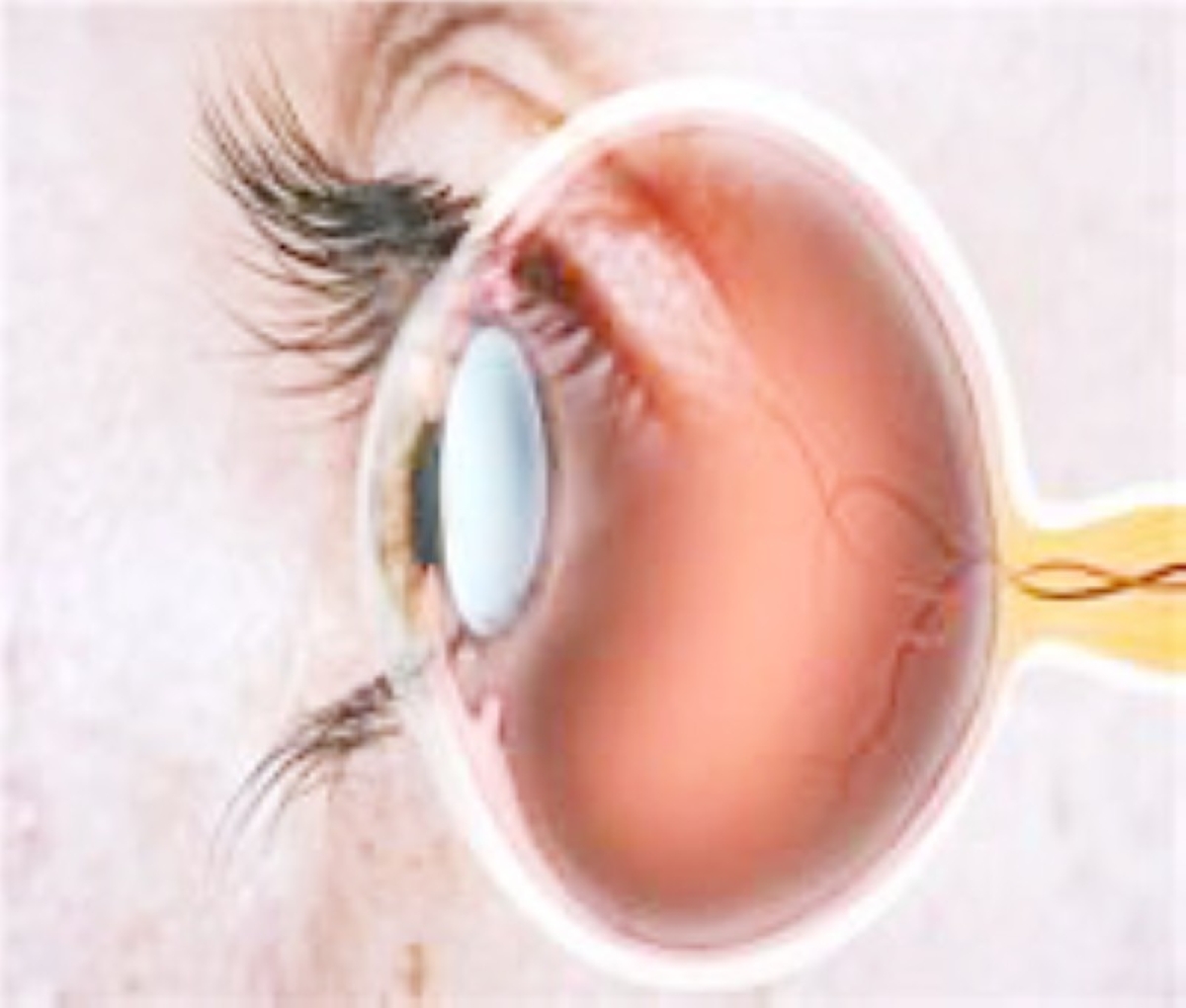
أعلن فريق من جامعة كولومبيا البريطانية بالتعاون مع معهد الأبحاث البصرية في فانكوفر، عن تطوير علاج تجريبي يُعدّ الأول من نوعه في الوقاية من فقدان البصر الناتج عن اعتلال الشبكية السكري، أحد أكثر مضاعفات مرض السكري شيوعاً وخطورة.
ونقلت مجلة Science Translational Medicine، أن العقار الجديد يعتمد على آلية مبتكرة تعطل نشاط إنزيم مسبّب تلف الشعيرات الدموية الدقيقة في شبكية العين، وتقلل من تسرّب السوائل والتهابات الأنسجة، وهو ما يؤدي تدريجياً إلى إبطاء تدهور الرؤية واستعادة كفاءة الخلايا العصبية المسؤولة عن الإبصار.
وأوضح الباحث الرئيسي في الدراسة الدكتور جيمس ماكنزي، أن نتائج التجارب المخبرية أظهرت انخفاضاً بنسبة تجاوزت 70% في مؤشرات تلف الشبكية لدى فئران مصابة بالسكري، مضيفاً أن المرحلة السريرية الأولى على البشر بدأت فعلياً في سبتمبر الماضي، ويتوقع أن تمتد لعام كامل لتقييم الأمان والفعالية.
ويرى خبراء العيون، أن نجاح هذا العلاج سيمثل نقلة نوعية في التعامل مع مضاعفات السكري البصرية، وينقل المسار العلاجي من السيطرة على الأعراض إلى الوقاية المبكرة من العمى الدائم، مؤكدين أن دمجه مع ضبط مستويات السكر والفحوص الدورية يضاعف فرص الحفاظ على البصر لسنوات أطول.
A team from the University of British Columbia, in collaboration with the Visual Research Institute in Vancouver, has announced the development of an experimental treatment that is the first of its kind in preventing vision loss caused by diabetic retinopathy, one of the most common and serious complications of diabetes.
The journal Science Translational Medicine reported that the new drug relies on an innovative mechanism that disrupts the activity of an enzyme that causes damage to the tiny blood vessels in the retina, reducing fluid leakage and tissue inflammation, which gradually slows down the deterioration of vision and restores the efficiency of the nerve cells responsible for sight.
The principal investigator of the study, Dr. James Mackenzie, explained that the results of laboratory experiments showed a reduction of over 70% in indicators of retinal damage in diabetic mice, adding that the first clinical phase on humans officially began last September and is expected to extend for a full year to assess safety and efficacy.
Eye experts believe that the success of this treatment will represent a qualitative leap in dealing with the visual complications of diabetes, shifting the treatment approach from managing symptoms to early prevention of permanent blindness, emphasizing that its integration with blood sugar control and regular check-ups will double the chances of preserving vision for many more years.