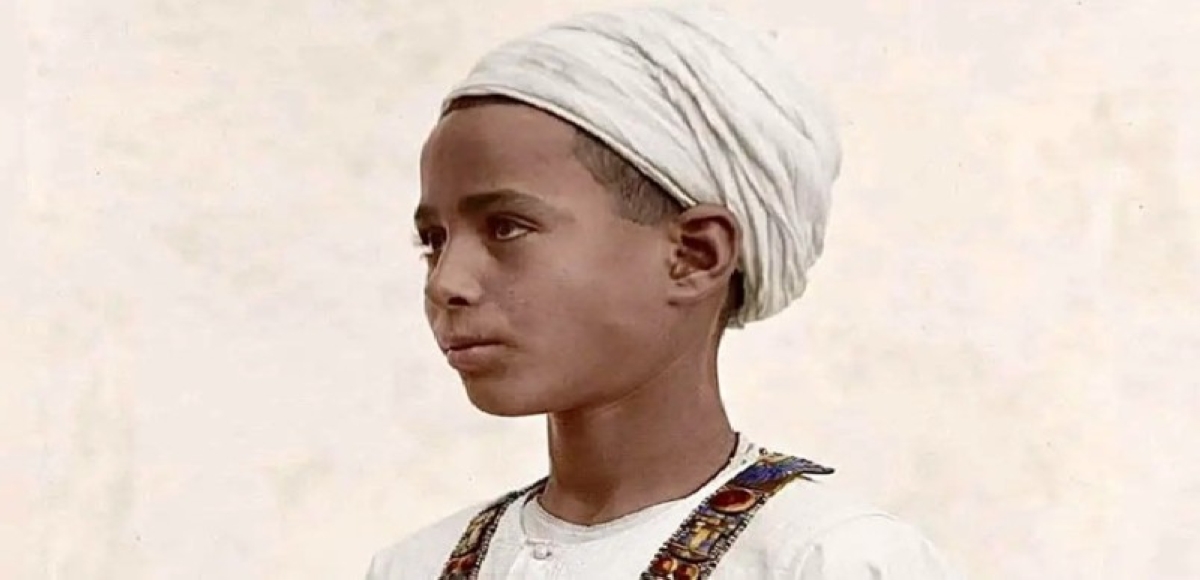
في صباحٍ من شتاء عام 1922، كان الصبي الصعيدي حسين عبد الرسول يحمل جرة ماء على كتفه تحت شمس وادي الملوك، غير مدرك أن قدميه الصغيرتين تقفان على باب التاريخ نفسه.
لم يكن ابن الـ12 ربيعا يدري أن تعثّره العابر فوق الرمال الجافة سيقوده إلى فتح أعظم مقبرة عرفها الإنسان: مقبرة الفرعون الذهبي توت عنخ آمون.
وبينما كان حسين يسقي العمّال في بعثة التنقيب البريطانية بقيادة هوارد كارتر، سقطت جرة الماء من يده، وانسكب الماء فوق الرمال التي بدت أكثر صلابة من المعتاد.
ركع الطفل على الأرض يحفر بيديه الصغيرتين، حتى اصطدمت أصابعه بحجر منقوش.. حجر قاد بعد أيام قليلة إلى مدخل المقبرة الملكية التي ظلت مغلقة أكثر من 3000 عام.
ببراءة طفل لا يدرك عظمة ما أنجز، أسرع إلى المشرف البريطاني يخبره بما وجد، لتبدأ واحدة من أعظم لحظات الاكتشاف في تاريخ الإنسانية.
من وادي الملوك إلى المتحف الكبير
بعد أكثر من قرن، وفي لحظة احتفاء استثنائية، استعاد المصريون مساء أمس (السبت) اسما غاب طويلا عن ذاكرتهم الجماعية.
في حفل افتتاح المتحف المصري الكبير بحضور الرئيس عبدالفتاح السيسي، خُصص ركنٌ لتكريم الطفل الذي كان أول من لمس مدخل المقبرة الذهبية.
لم يكن هذا مجرد تكريم رمزي، بل اعتراف متأخر بالفضل الإنساني والتاريخي لأسرة مصرية شاركت في صنع مجد علمي خُطف ضوءه لعقود طويلة.
وقف نوبي حسين عبدالرسول، ابن المكتشف فخورا إلى جوار صورة والده، مرتديا الجلباب الصعيدي ذاته الذي ارتداه الجد في صورةٍ التقطت له عام 1922، كأن الزمن انحنى احتراما لتاريخٍ لم يُكتب كما يجب. وقال: «لم يكن والدي يتخيل أن سقوط جرة ماء سيكون سببا في تخليد اسمه في التاريخ».
ذلك الحجر الصغير الذي اكتشفه حسين كان بداية رحلة أخرجت للعالم أكثر من 5000 قطعة أثرية من الذهب والأحجار الكريمة، بينها التابوت الذهبي الشهير والقناع الجنائزي لتوت عنخ آمون.
وبقيت مقتنيات المقبرة محفوظة في حالتها الأصلية، لتصبح المقبرة الأكمل والأجمل في تاريخ الآثار القديمة، ويمتد أثرها إلى تغيير نظرة العالم إلى الحضارة المصرية كلها.
ورغم أن اسم كارتر البريطاني ظلّ وحده يتردد في كتب التاريخ، فإن الاعتراف الحالي بالطفل المصري يعيد للتاريخ توازنه، ويذكّر العالم أن أي اكتشاف عظيم يبدأ غالبا بخطوة بسيطة فوق الرمل.
الخلود من تراب الأقصر
حين عرض المتحف الكبير فيلما توثيقيا يروي قصة الاكتشاف، بدت العيون معلّقة بوجه الطفل الفقير الذي لم يقرأ ولم يكتب، لكنه منح وطنه أعظم اكتشاف أثري في القرن الـ20.
وفي لحظة التصفيق التي تلت عرض الفيلم، لم يكن الحاضرون يصفقون لتمثال أو مقبرة، بل لذاك الطفل المصري الذي لم يسعَ إلى المجد، فخلّده المجد نفسه.
On a winter morning in 1922, the young boy from Upper Egypt, Hussein Abdel-Rasoul, was carrying a jar of water on his shoulder under the sun of the Valley of the Kings, unaware that his small feet were standing at the very threshold of history.
The 12-year-old did not know that his stumble over the dry sands would lead him to the discovery of the greatest tomb known to mankind: the tomb of the golden pharaoh Tutankhamun.
As Hussein was watering the workers in the British excavation mission led by Howard Carter, the jar of water slipped from his hand, spilling water over the sands that appeared harder than usual.
The boy knelt on the ground, digging with his small hands, until his fingers struck a carved stone... a stone that would lead, just a few days later, to the entrance of the royal tomb that had remained closed for over 3000 years.
With the innocence of a child who does not grasp the magnitude of what he has accomplished, he hurried to the British supervisor to tell him what he had found, marking the beginning of one of the greatest moments of discovery in human history.
From the Valley of the Kings to the Grand Museum
After more than a century, in a moment of exceptional celebration, the Egyptians reclaimed a name that had long been absent from their collective memory last night (Saturday).
At the opening ceremony of the Grand Egyptian Museum, attended by President Abdel Fattah el-Sisi, a corner was dedicated to honoring the boy who was the first to touch the entrance of the golden tomb.
This was not merely a symbolic honor, but a delayed recognition of the human and historical contribution of an Egyptian family that participated in creating a scientific glory whose light had been stolen for decades.
Nubi Hussein Abdel-Rasoul, the son of the discoverer, stood proudly next to a picture of his father, wearing the same Upper Egyptian galabeya that his grandfather wore in a photo taken in 1922, as if time had bent in respect for a history that was not written as it should have been. He said: "My father could never have imagined that the fall of a jar of water would be the reason for immortalizing his name in history."
The small stone discovered by Hussein was the beginning of a journey that brought to the world more than 5000 artifacts made of gold and precious stones, including the famous golden sarcophagus and the funerary mask of Tutankhamun.
The tomb's contents remained preserved in their original state, making it the most complete and beautiful tomb in the history of ancient artifacts, and its impact extended to changing the world's perception of Egyptian civilization as a whole.
Although the name Carter, the British archaeologist, continued to echo alone in history books, the current recognition of the Egyptian boy restores balance to history and reminds the world that any great discovery often begins with a simple step on the sand.
Immortality from the Dust of Luxor
When the Grand Museum presented a documentary film recounting the story of the discovery, the eyes were fixed on the face of the poor child who could neither read nor write, yet he granted his country the greatest archaeological discovery of the 20th century.
In the moment of applause that followed the film's screening, the attendees were not applauding a statue or a tomb, but that Egyptian child who did not seek glory, yet glory immortalized him.