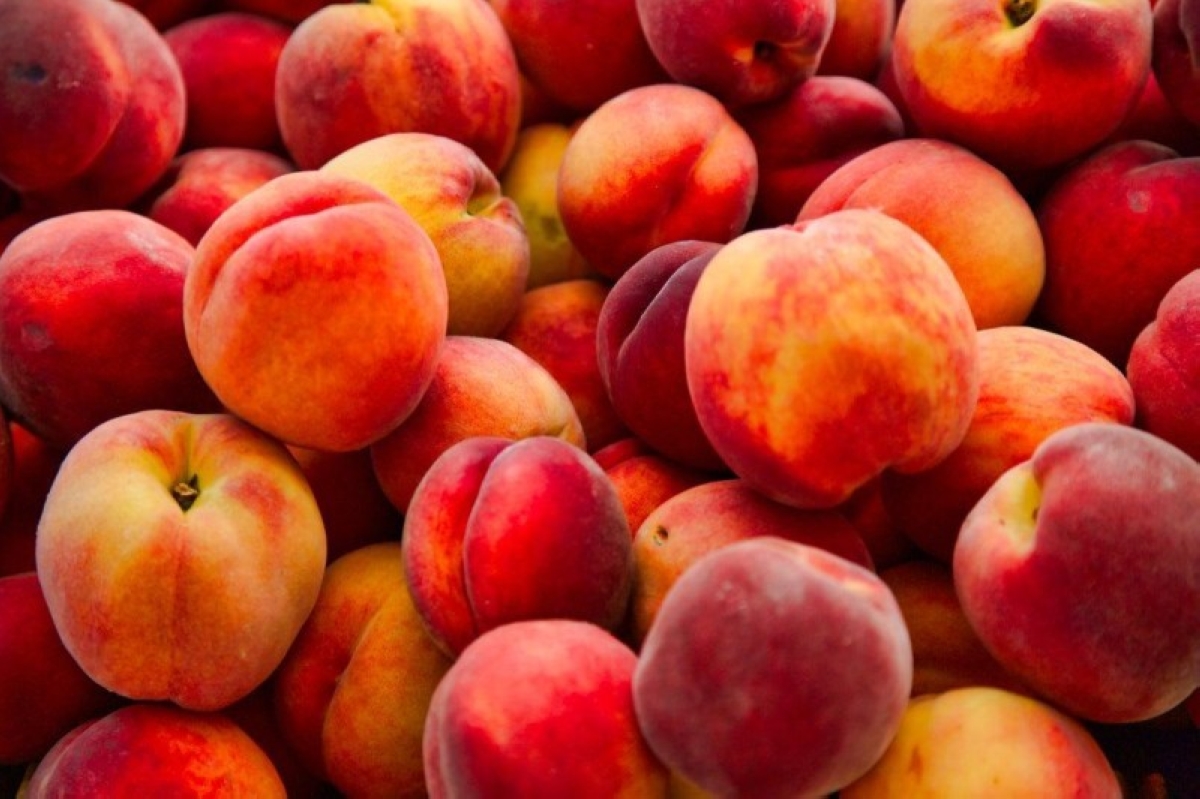
أعلنت إدارة الغذاء والدواء الأمريكية الاستدعاء لآلاف البراميل من الخوخ الأصفر والأبيض المزروع في كاليفورنيا، بعد اكتشاف تلوث ببكتيريا الليستيريا في منشأة التعبئة، ما يثير مخاوف صحية واسعة في ظل موجة الاستدعاءات الغذائية الأخيرة بالولايات المتحدة.
ويشمل الاستدعاء، الذي أعلنته إدارة الغذاء والدواء الأمريكية كـ«تصنيف أول» (الأعلى خطورة)، الخوخ المباع كقطع فردية أو في حزم متعددة في متاجر كبرى مثل Kroger، Sprouts، Food Lion، وTrader Joe's عبر الولايات المتحدة بأكملها.
وأوضحت الإدارة الأمريكية أن المنتجات المصابة بيعت بين 16 سبتمبر و29 أكتوبر، ولا تشمل الحزم أو الملصقات التي تحمل كلمات «Washington» أو «Organic»، حيث أكدت الوكالة أن التلوث اكتشف أثناء فحوصات روتينية داخلية، ولم يتم تسجيل أي إصابات حتى الآن.
وحذرت مراكز السيطرة على الأمراض من أن «الليستيريا مونوسايتوجينيز هي بكتيريا تلوث العديد من الأطعمة، وتسبب الإصابة بتناول طعام ملوث»، مشيرة إلى أنها السبب الثالث الأبرز للوفيات الناتجة عن تلوث الطعام في أمريكا، مسببة نحو 260 حالة وفاة سنويًا.
وأوضحت أن الأعراض القصيرة المدى لدى الأصحاء تشمل الحمى العالية، الصداع الشديد، التصلب، الغثيان، وآلام البطن، لكن الخطر يتضاعف لدى النساء الحوامل، كبار السن، والمرضى ذوي المناعة الضعيفة، حيث قد تؤدي إلى الإجهاض أو الوفاة.
يأتي هذا الاستدعاء في سياق موجة الليستيريا المتسارعة هذا العام؛ ففي أغسطس الماضي، استدعت شركة أمريكية حوالي 15,000 صندوق من حزم الفواكه المجففة تحتوي على فراولة، موز، وتفاح مجفوف، بعد اكتشاف تلوث محتمل أثناء فحوصات داخلية، دون تسجيل إصابات.
كما شهدت الشهور الأخيرة استدعاءات للآيس كريم والخضروات، ما دفع الخبراء إلى التحذير من «ثغرات في سلسلة التوريد الزراعية».
ونصحت إدارة الغذاء والدواء الأمريكية المستهلكين برمي المنتجات المشبوهة أو إعادتها إلى المتاجر للحصول على استرداد، ودعت إلى غسل اليدين والأسطح جيدًا لتجنب الانتشار.
The U.S. Food and Drug Administration announced the recall of thousands of barrels of yellow and white peaches grown in California, after the discovery of listeria bacteria contamination at the packing facility, raising widespread health concerns amid a wave of recent food recalls in the United States.
The recall, which was announced by the FDA as a "Class I" (the highest severity), includes peaches sold as individual pieces or in multiple packages at major stores such as Kroger, Sprouts, Food Lion, and Trader Joe's across the entire United States.
The U.S. agency clarified that the affected products were sold between September 16 and October 29, and do not include packages or labels bearing the words "Washington" or "Organic," as the agency confirmed that the contamination was discovered during routine internal inspections, and no illnesses have been reported so far.
The Centers for Disease Control warned that "Listeria monocytogenes is a bacteria that contaminates many foods and causes illness when contaminated food is consumed," noting that it is the third leading cause of foodborne deaths in America, causing about 260 deaths annually.
It explained that short-term symptoms in healthy individuals include high fever, severe headache, stiffness, nausea, and abdominal pain, but the risk is multiplied for pregnant women, the elderly, and individuals with weakened immune systems, as it can lead to miscarriage or death.
This recall comes amid a surge of listeria cases this year; last August, an American company recalled about 15,000 boxes of dried fruit packages containing strawberries, bananas, and dried apples after potential contamination was discovered during internal inspections, with no illnesses reported.
Recent months have also seen recalls of ice cream and vegetables, prompting experts to warn of "gaps in the agricultural supply chain."
The FDA advised consumers to throw away suspicious products or return them to stores for a refund, and urged thorough handwashing and surface cleaning to prevent the spread.