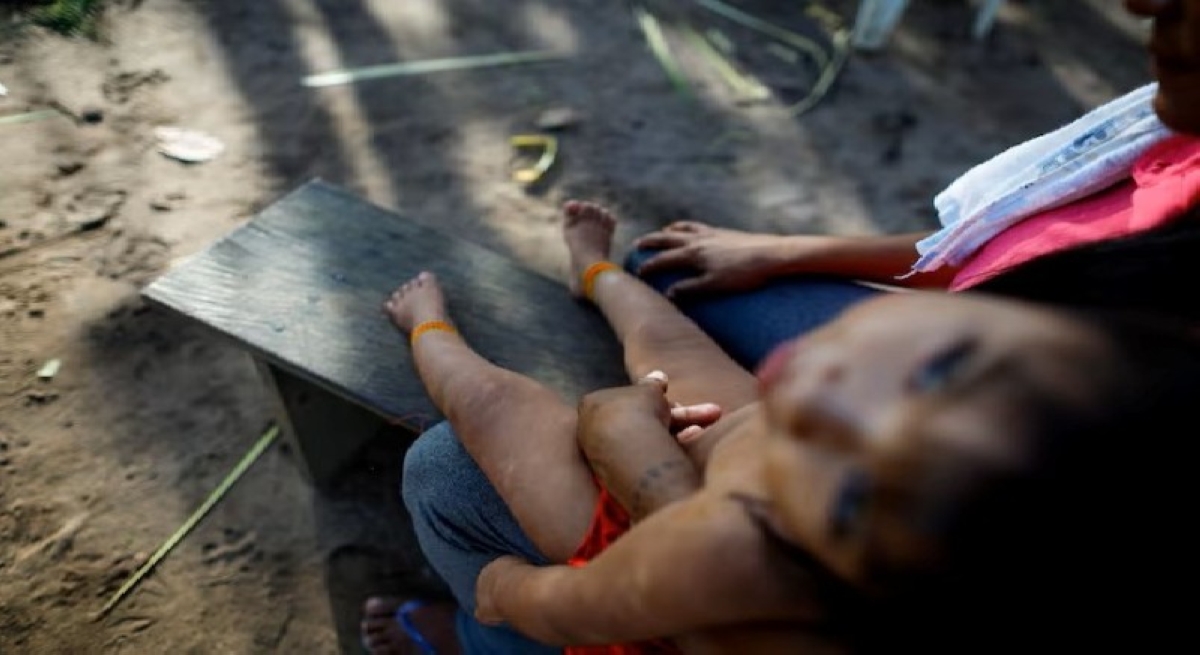
في قلب غابات الأمازون الكثيفة، تتحول أنهار الحياة إلى مجاري سُمٍّ بطيء، بعدما تسرّب الزئبق الناتج عن عمليات التعدين غير القانونية إلى المياه التي يعتمد عليها السكان الأصليون منذ قرون. وبينما كان الذهب رمزاً للأمل، صار اليوم لعنة تهدد الأمهات وأطفالهنّ بالإعاقات والأمراض العصبية الخطيرة.
في قرية ساي سينزا بولاية بارا البرازيلية تعيش عائلات من شعب موندوروكو وسط مأساة صامتة. الطفلة راني كيتلين البالغة 3 سنوات تعاني شللاً وتشنجات عضلية منذ ولادتها، ضمن أكثر من 30 حالة مشابهة رصدها باحثون من معهد فيوكروز البرازيلي، في دراسة تعدّ الأولى من نوعها التي تحاول إثبات العلاقة المباشرة بين تلوث الزئبق والإعاقات العصبية لدى أطفال الأمازون.
ويُستخدم الزئبق على نطاق واسع في عمليات تعدين الذهب غير المشروعة لربط ذرات المعدن الثمينة، لكن بقاياه السامة تتسلل إلى الأنهار وتستقر في الأسماك التي تُعد المصدر الغذائي الرئيسي للسكان الأصليين. والنتيجة كانت مروّعة فحليب الأمهات ومشيمة الحوامل أظهرا مستويات من الزئبق تفوق الحدود الآمنة بـ3 أضعاف، فيما كشفت التحاليل أن الأمهات يحملن نسباً تزيد بـ5 أضعاف عن المعدل المسموح به من قبل وزارة الصحة البرازيلية.
ورغم التحذيرات، يجد السكان أنفسهم أمام معضلة قاسية: إما أكل السمك المسموم.. أو الجوع. يقول زعيم القرية الممرض المحلي زيلدومار موندوروكو: «إذا توقفنا عن أكل السمك سنموت جوعاً، وإن واصلنا سنموت ببطء».
في الوقت نفسه، تستعد البرازيل لاستضافة قمة الأمم المتحدة للمناخ (COP30) في قلب الأمازون الشهر القادم، وسط دعوات عاجلة لمعالجة أزمة الزئبق التي تهدد مستقبل الشعوب الأصلية والنظام البيئي بأكمله. لكن العلماء يحذرون: حتى لو توقفت أنشطة التعدين الآن، فإن الزئبق المتراكم في التربة والمياه سيبقى لعقود طويلة.
أما الباحث باولو باستا من معهد فيوكروز، الذي يحقق في القضية منذ أكثر من 30 عاماً، فقد أكد أن ما تم توثيقه حتى الآن «ليس سوى قمة جبل الجليد». فخلف الأرقام توجد مئات القصص المأساوية لأطفال يولدون بإعاقات دائمة بسبب جشع لا يرحم.
ومع استمرار ارتفاع أسعار الذهب عالمياً، يخشى الخبراء أن تتوسع الكارثة إلى مناطق جديدة داخل غابات الأمازون، ما لم تتخذ الحكومة والمجتمع الدولي خطوات صارمة لكبح التعدين غير القانوني، وتنظيف الأنهار التي كانت يوماً رمزاً للحياة، وأصبحت الآن مجرى للموت البطيء.
In the heart of the dense Amazon rainforest, rivers of life are turning into slow poison, as mercury from illegal mining operations seeps into the waters that indigenous people have relied on for centuries. While gold was once a symbol of hope, it has now become a curse threatening mothers and their children with disabilities and serious neurological diseases.
In the village of Sai Cinza in the Brazilian state of Pará, families from the Munduruku people live amidst a silent tragedy. Three-year-old Rani Kaitlyn suffers from paralysis and muscle spasms since birth, among more than 30 similar cases documented by researchers from the Brazilian Fiocruz Institute, in a study that is the first of its kind attempting to prove the direct link between mercury pollution and neurological disabilities in Amazonian children.
Mercury is widely used in illegal gold mining operations to bind the precious metal's atoms, but its toxic remnants seep into rivers and settle in fish, which are the main food source for indigenous people. The result has been horrifying, as mothers' milk and pregnant women's placentas showed mercury levels exceeding safe limits by three times, while analyses revealed that mothers carry levels five times higher than the permissible rate set by the Brazilian Ministry of Health.
Despite the warnings, the residents find themselves facing a harsh dilemma: either eat the poisoned fish or starve. The village leader and local nurse, Zildomar Munduruku, says, "If we stop eating fish, we will die of hunger, and if we continue, we will die slowly."
At the same time, Brazil is preparing to host the United Nations Climate Summit (COP30) in the heart of the Amazon next month, amid urgent calls to address the mercury crisis threatening the future of indigenous peoples and the entire ecosystem. But scientists warn: even if mining activities stop now, the mercury accumulated in the soil and water will remain for decades.
Researcher Paulo Pasta from the Fiocruz Institute, who has been investigating the issue for over 30 years, confirmed that what has been documented so far "is just the tip of the iceberg." Behind the numbers lie hundreds of tragic stories of children born with permanent disabilities due to relentless greed.
As global gold prices continue to rise, experts fear that the disaster will expand to new areas within the Amazon rainforest unless the government and the international community take strict measures to curb illegal mining and clean the rivers that were once symbols of life but have now become channels for slow death.