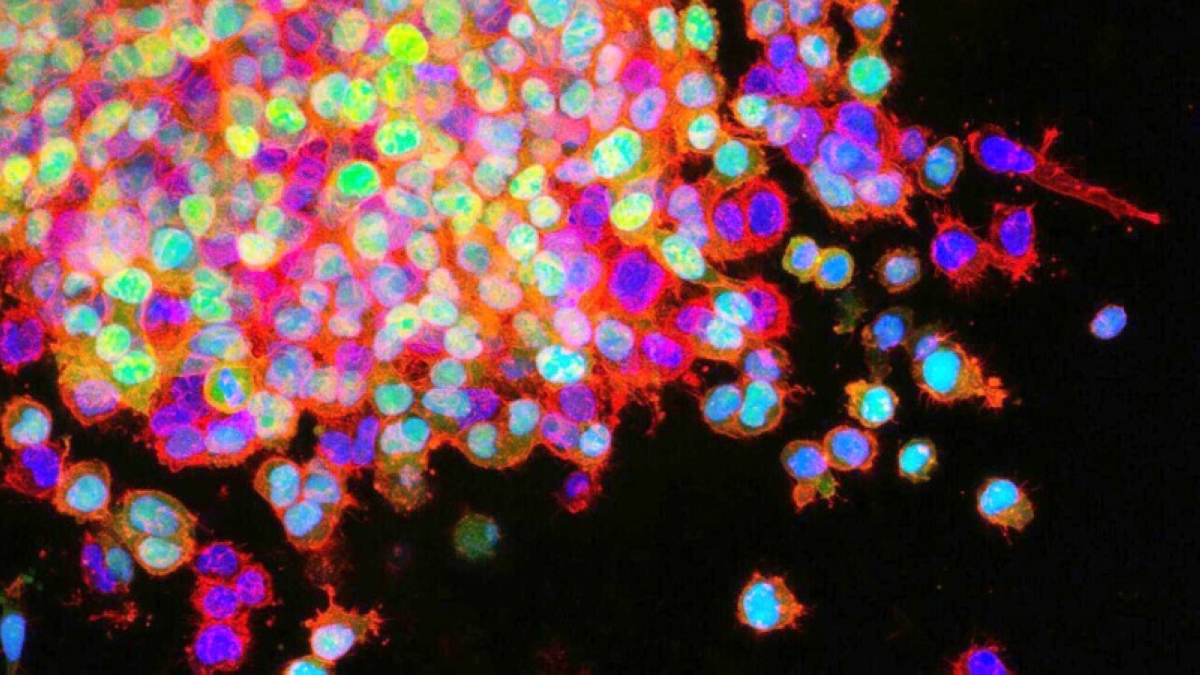
أعلن فريق بحثي دولي بقيادة جامعة رايس الأمريكية، عن تطوير تقنية تستخدم الضوء تحت الأحمر مع مواد محفّزة ضوئياً لاختراق الأنسجة العميقة وتدمير الخلايا السرطانية دون الإضرار بالخلايا السليمة، وقد أظهرت التجارب المعملية القدرة على القضاء على نحو 99% من خلايا سرطان الجلد خلال جلسة واحدة فقط.
وبحسب (سبوتنيك)، تعتمد التقنية على جزيئات صناعية حسّاسة للضوء ترتبط بالخلايا السرطانية، وعند تعرضها لضوء تحت الأحمر فإنها تهتز مكونة طاقة داخلية تؤدي إلى تفكّك غشاء الخلية وانهيارها من الداخل، ما يحاكي (مطارق جزيئية) دقيقة لا تتطلّب حرارة عالية أو أدوية سامة.
الأبحاث أشارت كذلك إلى إمكانية تسليط الضوء حتى عمق يصل إلى 10 سنتيمترات داخل الجسم، ما يمكّن من الوصول إلى أورام داخلية وتجربتها على أنواع مختلفة كالقولون والثدي والبروستاتا، مع نتائج مبشرة تظهر قدرة التقنية على القضاء الكامل على الأورام في النماذج الحيوانية.
ويتطلع الباحثون إلى نقل هذه التجربة إلى التجارب السريرية خلال السنوات القادمة، مع توقع أن يصبح بالإمكان استخدام الأجهزة المحمولة لعلاج بعض الأورام ضوئياً في بيئات بسيطة وبتكلفة أقل مقارنة بالعلاجات الكيميائية أو الإشعاعية التقليدية.
An international research team led by Rice University in the United States has announced the development of a technique that uses infrared light with photo-catalytic materials to penetrate deep tissues and destroy cancer cells without harming healthy cells. Laboratory experiments have shown the ability to eliminate about 99% of skin cancer cells in just one session.
According to (Sputnik), the technique relies on light-sensitive synthetic particles that attach to cancer cells. When exposed to infrared light, they vibrate, generating internal energy that leads to the breakdown of the cell membrane and its collapse from the inside, mimicking precise "molecular hammers" that do not require high heat or toxic drugs.
The research also indicated the possibility of directing light to depths of up to 10 centimeters within the body, enabling access to internal tumors and testing it on various types such as colon, breast, and prostate cancers, with promising results showing the technique's ability to completely eliminate tumors in animal models.
Researchers are looking to transition this experience to clinical trials in the coming years, with the expectation that portable devices may be used to treat certain tumors with light in simple environments and at a lower cost compared to traditional chemotherapy or radiation treatments.