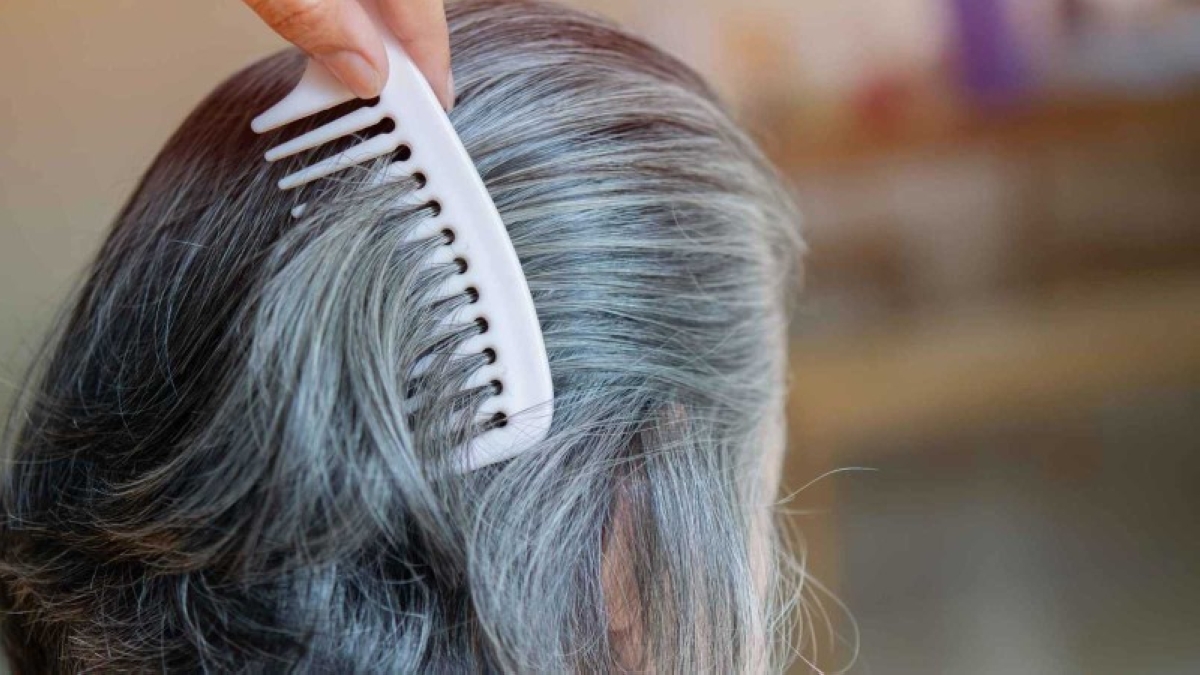
لم يعد ظهور الشعر الرمادي دليلا قاطعا على التقدم في العمر، فبحسب دراسة يابانية حديثة، قد يكون الشيب مؤشرا مذهلا على قدرة الجسم الطبيعية في الدفاع عن نفسه ضد السرطان.
وأظهرت التجارب على الفئران أن الجسم قد يضحي بلون الشعر حفاظا على صحة خلاياه من التحولات السرطانية.
وتتعرض خلايا الجلد باستمرار لتلف الحمض النووي الناتج عن عوامل بيئية وجينية، ما يرفع خطر تطور السرطان ويؤثر في شيخوخة الخلايا.
وقد ركز الباحثون على الورم الميلانيني، أحد أنواع سرطان الجلد الذي ينشأ في الخلايا الصبغية المسؤولة عن لون الشعر والجلد.
وأظهرت التجارب أن تلف الحمض النووي المزدوج يحد من قدرة الخلايا الجذعية الصبغية على التجدد، ما يؤدي إلى شيب الشعر، بينما يسمح التعرض لمواد مسرطنة معينة لهذه الخلايا بالاستمرار في الانقسام، ما يزيد خطر الأورام.
وأكدت الدراسة أن التمايز الجيني لخلايا الشعر الرمادي يمثل مسارا وقائيا يسهم في التخلص من الخلايا المعرضة للخطر.
وأكدت إيمي نيشيمورا، المؤلفة الرئيسية للدراسة، أن النتائج تعيد صياغة فهم العلاقة بين الشيب وسرطان الجلد، إذ تُظهر أن كلا الظاهرتين قد تنشآن من استجابات مختلفة لنوع الخلايا الجذعية نفسه.
ورغم أن الشيب لا يمنع السرطان بحد ذاته، فإن فقدان لون الشعر قد يعكس آلية طبيعية لحماية الجسم من تطور الأورام الجلدية، وهو ما يتطلب مزيدا من الأبحاث لتأكيد آثاره على البشر.
The appearance of gray hair is no longer a definitive sign of aging. According to a recent Japanese study, gray hair may be an astonishing indicator of the body's natural ability to defend itself against cancer.
Experiments on mice showed that the body may sacrifice hair color to preserve the health of its cells from cancerous transformations.
Skin cells are constantly exposed to DNA damage caused by environmental and genetic factors, which increases the risk of cancer development and affects cellular aging.
The researchers focused on melanoma, a type of skin cancer that arises in the pigment-producing cells responsible for hair and skin color.
Experiments demonstrated that double-strand DNA damage limits the ability of pigment stem cells to regenerate, leading to gray hair, while exposure to certain carcinogenic substances allows these cells to continue dividing, increasing the risk of tumors.
The study confirmed that the genetic differentiation of gray hair cells represents a protective pathway that helps eliminate at-risk cells.
Emi Nishimura, the lead author of the study, stated that the results reshape the understanding of the relationship between gray hair and skin cancer, showing that both phenomena may arise from different responses of the same type of stem cells.
Although gray hair does not prevent cancer in itself, the loss of hair color may reflect a natural mechanism for protecting the body from the development of skin tumors, which requires further research to confirm its effects on humans.