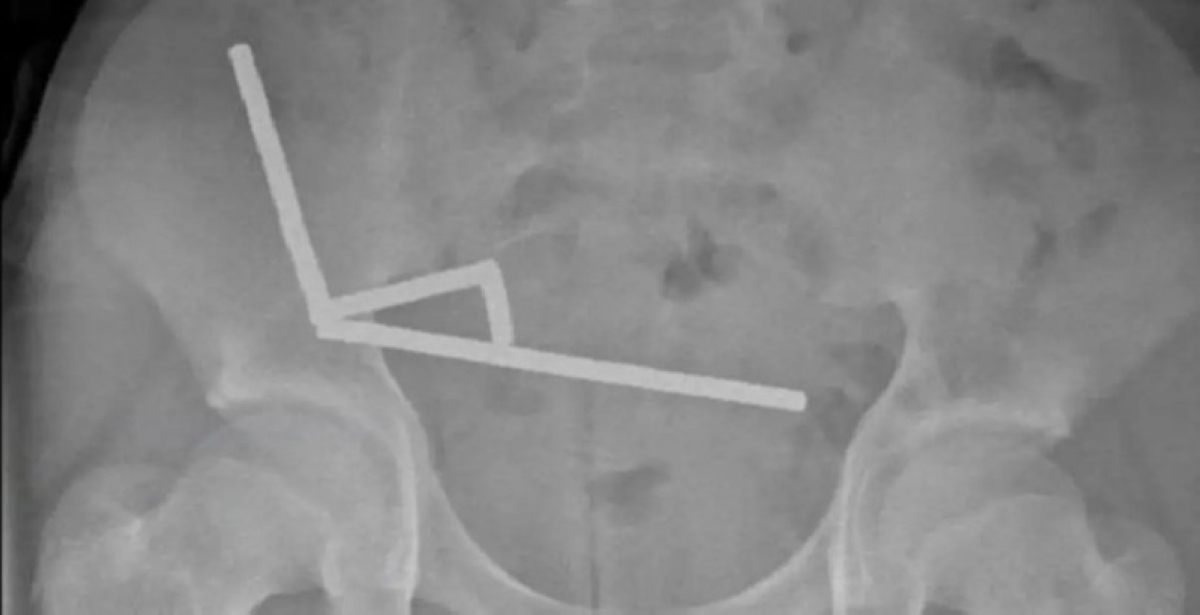
أعادت حادثة غريبة في نيوزيلندا تسليط الضوء على مخاطر الألعاب المغناطيسية، بعدما خضع صبي يبلغ من العمر 13 عامًا لعملية جراحية طارئة لاستخراج نحو 200 مغناطيس صغير من أمعائه، في واقعة أثارت صدمة في الأوساط الطبية والتعليمية.
وبحسب تقرير لموقع ScienceAlert، فإن الصبي نُقل إلى مستشفى «تاورانغا» وهو يعاني من آلام شديدة في البطن، ليكتشف الأطباء لاحقًا وجود مئات المغناطيسات المعدنية التي التصقت ببعضها داخل الأمعاء، مسببة انسدادًا خطيرًا وتسربًا في الأنسجة الداخلية.
وأوضح الجراحون أن المغناطيسات القوية التصقت بجدران الأمعاء من الداخل، ما أدى إلى انقطاع تدفق الدم وتمزق أجزاء دقيقة من الجهاز الهضمي. ورغم صعوبة الحالة، تمكن الفريق الطبي من إنقاذ حياته بعد استئصال جزء من الأمعاء التالفة.
وأكد الأطباء أن الطفل تعافى بعد 8 أيام من العملية، لكن الحادثة دفعت السلطات الصحية في نيوزيلندا إلى تحذير الأهالي مجددًا من خطورة تلك الألعاب التي تُباع غالبًا على شكل كرات صغيرة لامعة وجذابة للأطفال.
ويحذر الباحث أليكس سيمز من أن «ابتلاع مغناطيسات صغيرة عالية الطاقة قد يشكل خطرًا قاتلًا، إذ يمكن أن تلتصق عبر طبقات الأنسجة مسببة نزيفًا أو تسممًا دمويًا». وأضاف أن الأسواق الإلكترونية لا تزال تبيع هذه الألعاب رغم الحظر المفروض منذ عام 2013.
ويرى خبراء أن مواقع التواصل الاجتماعي ساهمت في انتشار ظاهرة استخدام المغناطيس لصنع حِيل أو مجوهرات صغيرة للفم والأنف، مما يجعل الأطفال عرضة للتقليد الخطير دون إدراك العواقب.
وأعادت القضية النقاش حول ضعف الرقابة على تجارة الألعاب الإلكترونية العالمية، بعدما تبيّن أن الطفل اشترى المغناطيس من منصة أجنبية، الأمر الذي وصفه الأطباء بأنه «ناقوس خطر يستدعي تحركًا عاجلًا من الحكومات».
A strange incident in New Zealand has brought attention back to the dangers of magnetic toys, after a 13-year-old boy underwent emergency surgery to remove about 200 small magnets from his intestines, in an event that shocked medical and educational circles.
According to a report by ScienceAlert, the boy was taken to Tauranga Hospital suffering from severe abdominal pain, and doctors later discovered hundreds of metal magnets that had stuck together inside his intestines, causing a serious blockage and leakage in the internal tissues.
The surgeons explained that the strong magnets had adhered to the walls of the intestines from the inside, leading to a disruption of blood flow and tearing of delicate parts of the digestive system. Despite the severity of the case, the medical team was able to save his life after removing a portion of the damaged intestine.
The doctors confirmed that the child recovered after 8 days from the surgery, but the incident prompted health authorities in New Zealand to warn parents again about the dangers of these toys, which are often sold in the form of small shiny and attractive balls for children.
Researcher Alex Sims warns that "swallowing small high-powered magnets can pose a fatal risk, as they can stick together across layers of tissue, causing bleeding or blood poisoning." He added that online marketplaces continue to sell these toys despite the ban imposed since 2013.
Experts believe that social media has contributed to the phenomenon of using magnets to create tricks or small jewelry for the mouth and nose, making children susceptible to dangerous imitation without realizing the consequences.
The case has reignited the discussion about the lack of oversight in the global electronic toy trade, after it was revealed that the child had purchased the magnets from a foreign platform, which doctors described as "a wake-up call that requires urgent action from governments."