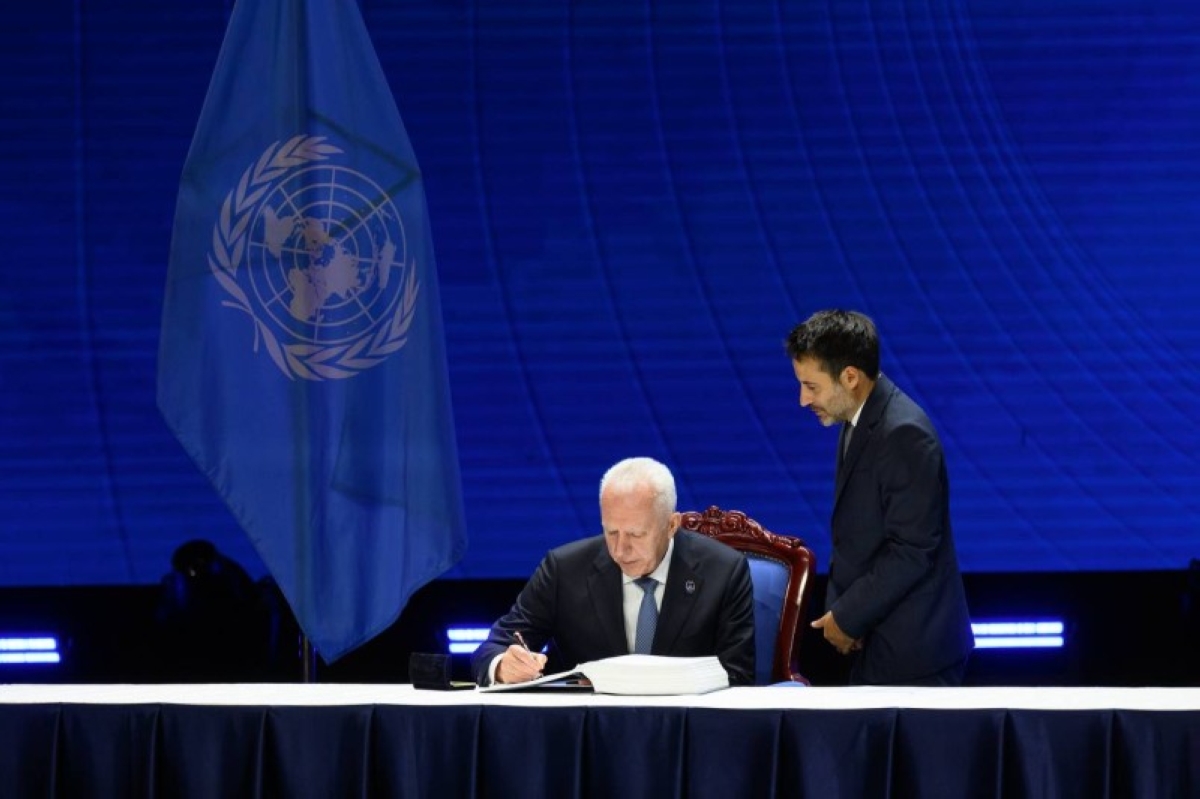
في خطوة وُصفت بأنها تاريخية لتعزيز الأمن الرقمي العالمي، وقّعت أكثر من 60 دولة في العاصمة الفيتنامية هانوي على أول معاهدة أممية شاملة تستهدف التصدي للجرائم الإلكترونية العابرة للحدود، التي باتت تكلف الاقتصاد العالمي تريليونات الدولارات سنوياً.
وحضر الأمين العام للأمم المتحدة أنطونيو غوتيريش حفل التوقيع الذي تستضيفه فيتنام يومي 25 و26 أكتوبر 2025، وأكد أن الاتفاق يمثل أداة دولية ملزمة لتعزيز الدفاعات المشتركة ضد التهديدات السيبرانية.
أول معاهدة سيبرانية تحت مظلة الأمم المتحدة
المعاهدة التي أصبحت تُعرف بـ«معاهدة هانوي»، تُعد الأولى من نوعها في إطار الأمم المتحدة لمكافحة الجرائم المرتبطة بتقنية المعلومات والاتصالات، بعد اعتمادها بالإجماع من الجمعية العامة في ديسمبر 2024. وتفتح الوثيقة الباب أمام التعاون الدولي في التحقيقات وتبادل الأدلة الإلكترونية لتعقب الشبكات الإجرامية المنظمة رقمياً.
من يوقّع؟ ولماذا الآن؟
ضمّت قائمة الدول الموقعة الولايات المتحدة ودول الاتحاد الأوروبي إلى جانب روسيا والصين، في مشهد يعكس توافقاً نادراً بين قوى عالمية متنافسة أمام تهديدات سيبرانية متصاعدة. وتستهدف المعاهدة جرائم الاحتيال الرقمي والبرمجيات الخبيثة واستغلال الشبكة في أنشطة غير قانونية، على أن تدخل حيّز التنفيذ عقب تصديق 40 دولة عليها.
جدل حقوقي يخيّم على التوقيع
ورغم الاحتفاء الدولي، أثارت بنود الاتفاق قلق شركات التكنولوجيا الكبرى ومنظمات حقوق الإنسان، التي تخشى استخدام أدوات مكافحة الجريمة لتوسيع نطاق الرقابة الحكومية وتقييد حرية الإنترنت. وتطالب هذه الجهات بتعزيز الضمانات القانونية لحماية الخصوصية والحق في الوصول للمعلومات ضمن آليات التنفيذ الوطنية.
In a move described as historic for enhancing global digital security, more than 60 countries signed the first comprehensive UN treaty aimed at combating cross-border cybercrime, which has begun to cost the global economy trillions of dollars annually, in the Vietnamese capital Hanoi.
The UN Secretary-General António Guterres attended the signing ceremony hosted by Vietnam on October 25 and 26, 2025, and emphasized that the agreement represents a binding international tool to strengthen collective defenses against cyber threats.
The First Cyber Treaty Under the UN Umbrella
The treaty, which has come to be known as the "Hanoi Treaty," is the first of its kind within the UN framework to combat crimes related to information and communication technology, having been unanimously adopted by the General Assembly in December 2024. The document opens the door to international cooperation in investigations and the exchange of electronic evidence to track digitally organized criminal networks.
Who Signs? And Why Now?
The list of signing countries includes the United States and EU countries alongside Russia and China, in a scene that reflects a rare consensus among competing global powers in the face of escalating cyber threats. The treaty targets digital fraud, malware, and the exploitation of the internet for illegal activities, and it will come into effect after 40 countries ratify it.
Human Rights Controversy Surrounding the Signing
Despite the international celebration, the provisions of the agreement have raised concerns among major tech companies and human rights organizations, which fear that crime-fighting tools will be used to expand government surveillance and restrict internet freedom. These entities are calling for enhanced legal safeguards to protect privacy and the right to access information within national implementation mechanisms.