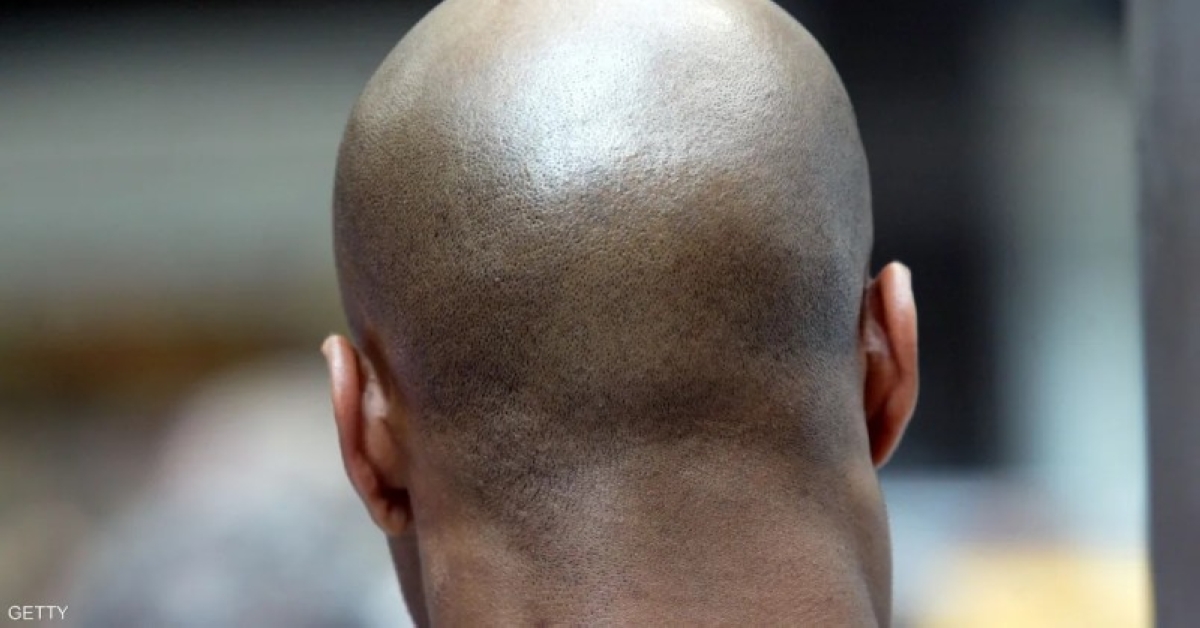
حصل باحثون تايوانيون على براءة اختراع بعد تطويرهم مصلاً مبتكراً يساعد على علاج تساقط الشعر وتحفيز نموه من جديد في قرابة 20 يوماً. وتمكن باحثون من جامعة تايوان الوطنية من تطوير مصل يُدهن على الجلد، مكن من استعادة نمو الشعر لدى الفئران. ومن المرتقب أن يتاح هذا المنتج للاستخدام البشري في شكل مستحضر للعناية بالبشرة، من دون الحاجة إلى وصفة طبية، وفقاً لصحيفة «ديلي ميل».
وبحسب دراسة نشرت في مجلة «نيو ساينتست»، كشف الباحثون أن المصل حفز الخلايا الدهنية في الجلد، وأعاد تجديد بصيلات الشعر.
وللتوصل إلى هذه النتائج، قام الباحثون بدهن ظهر فئران حليقة بمادة، وبعد مدة تراوحت بين 10 و11 يوماً بدأ الشعر ينمو في تلك المناطق من بصيلات جديدة.
وأوضح الباحثون أن هذه المادة حركت الخلايا المناعية إلى طبقة الدهون تحت الجلد، ما حفز الخلايا على إفراز الأحماض الدهنية التي تمتصها خلايا بصيلات الشعر، مما حفّز نموه.
وحصل الباحثون على براءة اختراع لمصلهم، ويخططون لاختبار جرعات مختلفة منه على فروة رأس البشر قبل تسويقه.
وقال البروفيسور سونغ-جان لين، مؤلف الدراسة في جامعة تايوان الوطنية، إنه استخدم نسخة مبكرة من المنتج على ساقيه: «طبّقت هذه الأحماض الدهنية، مذابة في الكحول، على فخذي لمدة 3 أسابيع، ولاحظت أنها حفزت نمو الشعر».
وأوضح البروفيسور لين أن هذه الأحماض الدهنية موجودة في جسم الإنسان وفي العديد من المنتجات الطبيعية كالزيتون، ولا تشكّل أي خطر.
وأكد الباحثون أن ابتكارهم فتح الباب أمام إمكانية علاج تساقط الشعر في المستقبل.
Taiwanese researchers have obtained a patent after developing an innovative serum that helps treat hair loss and stimulates its regrowth in about 20 days. Researchers from National Taiwan University managed to develop a serum that is applied to the skin, which allowed for the restoration of hair growth in mice. This product is expected to be available for human use in the form of a skincare preparation, without the need for a prescription, according to the Daily Mail.
According to a study published in the journal New Scientist, the researchers revealed that the serum stimulated the fat cells in the skin and renewed the hair follicles.
To reach these results, the researchers applied a substance to the backs of shaved mice, and after a period ranging from 10 to 11 days, hair began to grow in those areas from new follicles.
The researchers explained that this substance moved immune cells to the fat layer beneath the skin, which stimulated the cells to secrete fatty acids that are absorbed by the hair follicle cells, thereby promoting hair growth.
The researchers obtained a patent for their serum and plan to test different doses of it on human scalps before marketing it.
Professor Song-Jian Lin, the study's author at National Taiwan University, stated that he used an early version of the product on his legs: "I applied these fatty acids, dissolved in alcohol, to my thighs for 3 weeks, and I noticed that they stimulated hair growth."
Professor Lin clarified that these fatty acids are present in the human body and in many natural products like olives, and they do not pose any risk.
The researchers confirmed that their innovation has opened the door to the possibility of treating hair loss in the future.