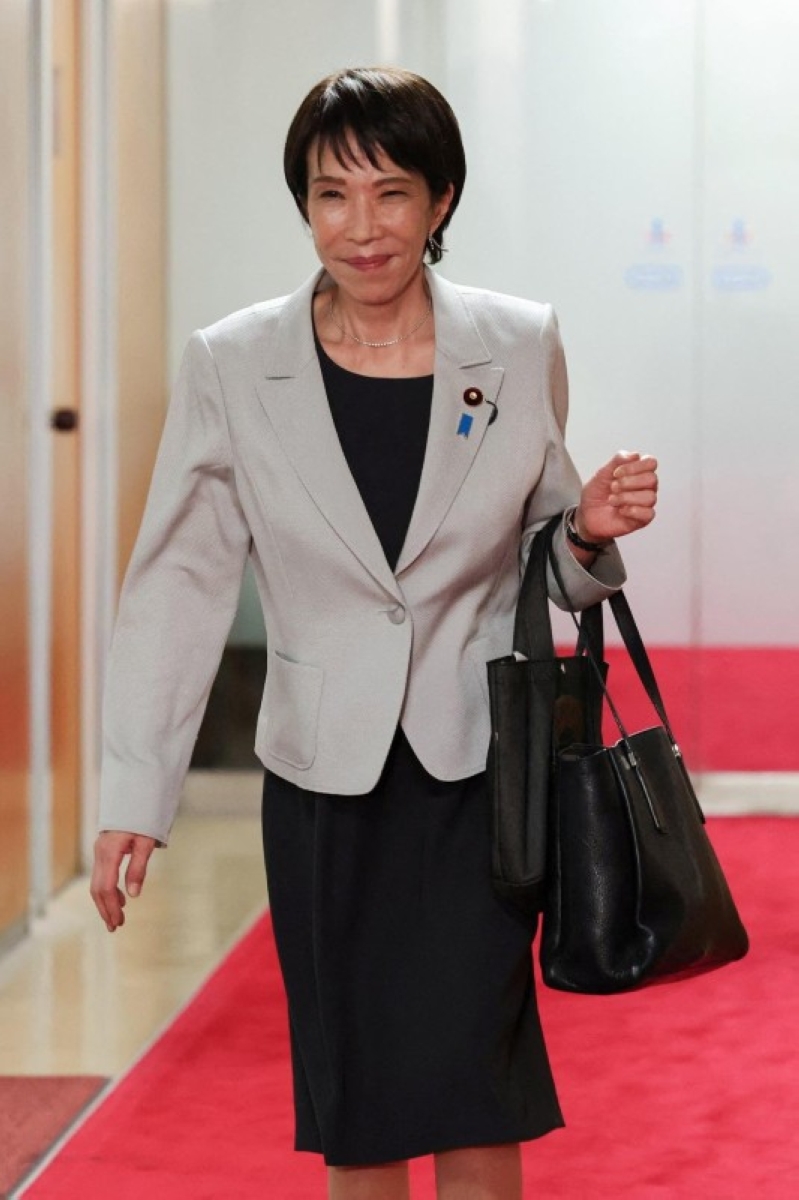
في لحظة توصف بالتاريخية، تستعد اليابان هذا الأسبوع لكسر أحد أقدم الحواجز السياسية في البلاد، مع اقتراب تعيين سناء تاكايتشي (أول امرأة تتولى منصب رئيس الوزراء في تاريخ الدولة الحديثة). هذه الخطوة، التي تمثل إنجازاً رمزياً كبيراً، تثير في الوقت ذاته جدلاً واسعاً حول مستقبل قضايا المرأة والمساواة في بلد لطالما هيمن عليه الرجال سياسياً واجتماعياً.
صعود غير تقليدي للقمة
تُعرف سناء تاكايتشي (64 عاماً) بمواقفها المحافظة المتشددة وبإعجابها الشديد بالسياسية البريطانية الراحلة مارجريت تاتشر. وجاء فوزها برئاسة الحزب الليبرالي الديمقراطي الحاكم منذ عقود، ليضعها على أعتاب قيادة اليابان في لحظة سياسية حساسة بعد سلسلة من الانتكاسات الانتخابية التي واجهها الحزب.
ورغم أن تعيينها المنتظر يفتح باباً جديداً للنساء في المشهد السياسي الياباني، فإن مواقفها المحافظة تجعل الكثيرين يتساءلون عما إذا كان هذا التغيير رمزياً أكثر منه فعلياً.
بالنسبة لكثير من اليابانيات، فإن مجرد رؤية امرأة في أعلى هرم السلطة السياسية يشكل رسالة قوية. تقول هيكاري ميناغاوا وهي طالبة في جامعة أوتسوما النسائية إن «هذه لحظة فارقة. آمل أن تجعل تاكايتشي الطريق أسهل للنساء اللواتي يرغبن في دخول السياسة».
لكن في المقابل، لا تخفي منظمات نسوية وناشطات مخاوفهن من أن تظل السياسات على حالها، خصوصاً مع رفض تاكايتشي تعديل بعض القوانين التي تقيد حقوق المرأة في اليابان.
وتحتل اليابان المرتبة 141 من بين 183 دولة من حيث تمثيل المرأة في البرلمان. فعلى الرغم من أن الانتخابات الأخيرة شهدت فوز 73 امرأة بمقاعد نيابية (وهو رقم قياسي) إلا أن النساء لا يشكلن سوى 16% من أعضاء مجلس النواب، ولا توجد سوى امرأتين في التشكيلة الحكومية الحالية.
وفي عالم الأعمال لا تزال الصورة مشابهة، إذ لا تضم أكثر من نصف الشركات الكبرى أي امرأة في مجالسها التنفيذية.
أحد التصريحات التي أثارت الجدل، كان عندما أعلنت تاكايتشي أنها ستتخلى عن أي توازن بين الحياة الشخصية والعمل لتكرّس نفسها كلياً للوظيفة. ويرى كثير من المنتقدين أن هذه الرسالة قد تزيد من الضغوط على النساء العاملات في مجتمع يعاني أصلاً من ثقافة إرهاق العمل، إذ تتحمل النساء القسط الأكبر من مسؤوليات المنزل ورعاية الأطفال.
وعود محدودة
رغم مواقفها المحافظة، تعهدت تاكايتشي بزيادة عدد النساء في الحكومة إلى مستويات تقترب من الدول الاسكندنافية. لكنها في الوقت ذاته ترفض تطبيق نظام الحصص النسائية، مؤكدة أنها لا تريد «تعيين نساء فقط لأنهن نساء».
من ناحية أخرى، أعلنت دعمها لتوسيع خدمات الرعاية الصحية للنساء بما في ذلك تحسين الرعاية الصحية المتعلقة بسن اليأس، وهو ملف لطالما هُمّش في السياسة اليابانية.
ويرى مراقبون أن صعود تاكايتشي قد يكون فرصة (وليس ضماناً) لدفع قضايا المرأة إلى الأمام. وتقول النائبة المعارضة كيومي تسوجيموتو: «لا يمكن أن نطلب من امرأة واحدة تغيير كل شيء. تمكين المرأة مسؤولية الرجال أيضاً، وليست مسؤولية النساء وحدهن».
من جانبها، أعربت رائدة الأعمال كاوري ساساكي عن أملها في أن تعيد تاكايتشي النظر في بعض مواقفها السابقة وتتبنى سياسات تفتح المجال أمام مشاركة أوسع للنساء في السياسة والاقتصاد.
ويمكن الخلوص إلى أن تعيين سناء تاكايتشي إذا تم كما هو متوقع، سيشكل لحظة مفصلية في التاريخ السياسي الياباني. لكن ما إذا كانت هذه اللحظة ستتحول إلى تحول فعلي في مسار تعزيز تمكين المرأة في اليابان، فذلك رهن بالسياسات التي ستتخذها وبالمدى الذي سيقف فيه المجتمع (رجالاً ونساءً) إلى جانب التغيير.
In a moment described as historic, Japan is preparing this week to break one of the oldest political barriers in the country, with the impending appointment of Sanae Takaichi (the first woman to hold the position of Prime Minister in the history of the modern state). This step, which represents a significant symbolic achievement, simultaneously raises widespread debate about the future of women's issues and equality in a country that has long been dominated by men politically and socially.
Unconventional Rise to the Top
Sanae Takaichi (64 years old) is known for her hardline conservative positions and her strong admiration for the late British politician Margaret Thatcher. Her victory in leading the ruling Liberal Democratic Party, which has been in power for decades, places her on the brink of leading Japan at a politically sensitive moment following a series of electoral setbacks faced by the party.
Although her anticipated appointment opens a new door for women in the Japanese political scene, her conservative stances lead many to question whether this change is more symbolic than substantive.
For many Japanese women, simply seeing a woman at the top of the political power structure sends a strong message. Hikari Minagawa, a student at Otsuma Women's University, says, "This is a pivotal moment. I hope Takaichi makes the path easier for women who want to enter politics."
However, feminist organizations and activists do not hide their concerns that policies may remain unchanged, especially with Takaichi's refusal to amend certain laws that restrict women's rights in Japan.
Japan ranks 141st out of 183 countries in terms of women's representation in parliament. Despite the recent elections seeing 73 women win parliamentary seats (a record number), women only make up 16% of the members of the House of Representatives, and there are only two women in the current cabinet.
In the business world, the picture remains similar, as more than half of major companies do not have any women on their executive boards.
One of the controversial statements was when Takaichi announced that she would forgo any balance between personal life and work to fully dedicate herself to the job. Many critics believe this message may increase pressure on working women in a society already suffering from a culture of work exhaustion, as women bear the brunt of household responsibilities and childcare.
Limited Promises
Despite her conservative positions, Takaichi has pledged to increase the number of women in government to levels approaching those of Scandinavian countries. However, she simultaneously rejects the implementation of a women's quota system, asserting that she does not want to "appoint women just because they are women."
On the other hand, she announced her support for expanding healthcare services for women, including improving healthcare related to menopause, an issue that has long been marginalized in Japanese politics.
Observers believe that Takaichi's rise could be an opportunity (not a guarantee) to advance women's issues. Opposition lawmaker Kiyomi Tsujimoto states, "We cannot expect one woman to change everything. Empowering women is also the responsibility of men, not just women alone."
For her part, entrepreneur Kaori Sasaki expressed her hope that Takaichi would reconsider some of her previous positions and adopt policies that open the door for broader participation of women in politics and the economy.
It can be concluded that Sanae Takaichi's appointment, if it occurs as expected, will mark a pivotal moment in Japanese political history. However, whether this moment will translate into a real transformation in the path of enhancing women's empowerment in Japan depends on the policies she will adopt and the extent to which society (both men and women) will stand alongside the change.