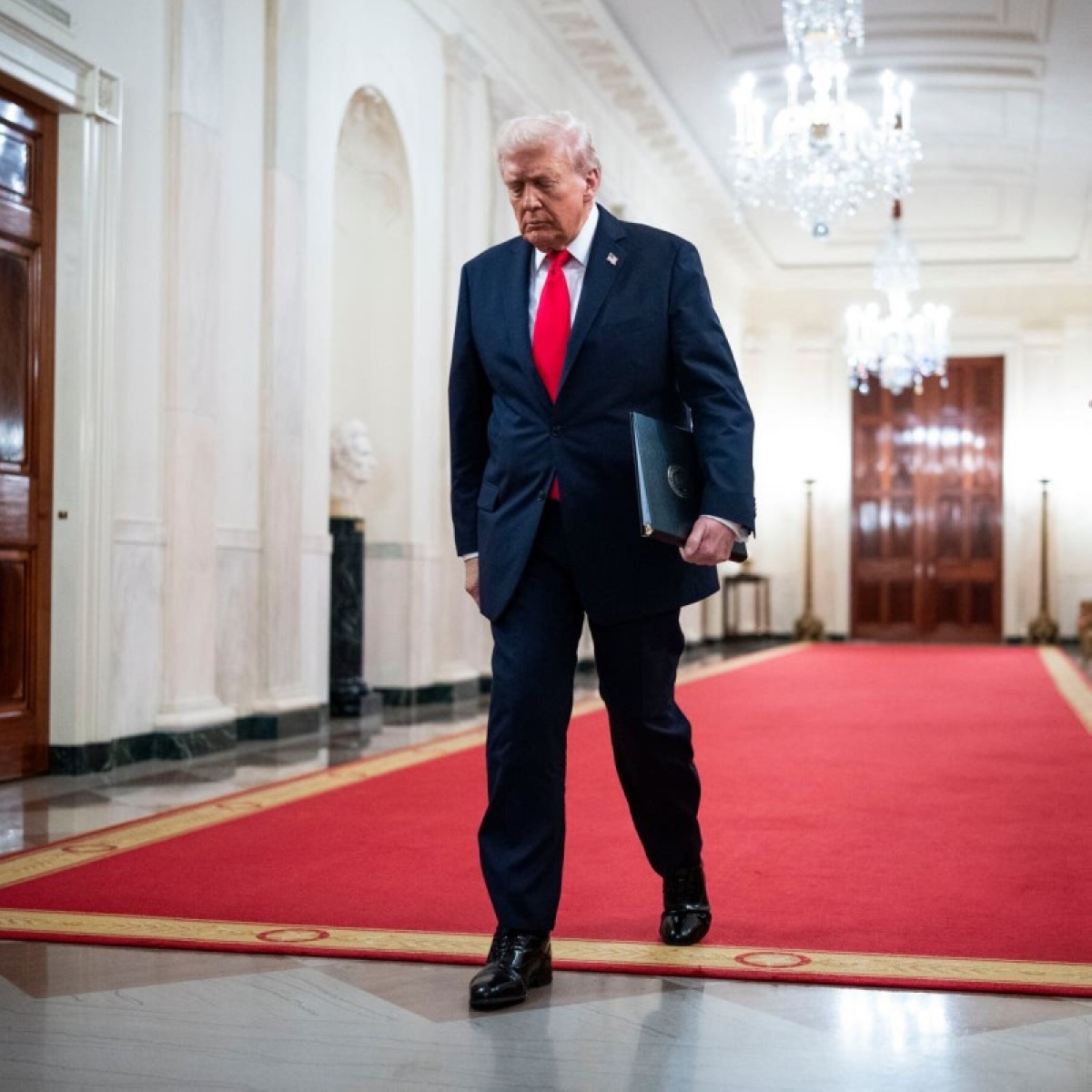
في خطوة تصعيدية جديدة، أعاد الرئيس الأمريكي دونالد ترمب تقديم دعوى قضائية ضخمة بقيمة 15 مليار دولار ضد صحيفة نيويورك تايمز وعدد من صحافييها، متهمًا المؤسسة العريقة بتشويه سمعته خلال حملته الانتخابية لعام 2024. وتأتي هذه الخطوة بعد أسابيع فقط من رفض قاضٍ فيدرالي النسخة الأولى من الدعوى بسبب طولها وصياغتها الخطابية.
تفاصيل الدعوى المعدّلة
قدّم ترامب وفريقه القانوني نسخة مختصرة من الشكوى القانونية لا تتجاوز 40 صفحة، أي أقل من نصف حجم الملف الأصلي. كما حُذفت بعض العبارات الدعائية التي كانت تمجد إنجازاته السياسية، إضافة إلى إزالة اسم أحد المراسلين من قائمة المدعى عليهم.
ورغم هذه التعديلات الشكلية، بقي المبلغ المطالب به على حاله: 15 مليار دولار.
وتشير الدعوى إلى مقالين نشرا في نيويورك تايمز تتهمهما حملة ترامب بالسعي إلى تقويض صورته كرجل أعمال ناجح ونجم تلفزيوني. وقد شارك في كتابة المقالات الصحافيون: سوزان كريغ، روس بوتنر، وبيتر بيكر. كما شملت الدعوى دار النشر «بينغوين راندوم هاوس» التي نشرت كتابًا عن ترامب من تأليف الصحافيين أنفسهم.
بدورها، ردّت الصحيفة الأمريكية سريعًا على الخطوة الجديدة، مؤكدة أن «الدعوى لا أساس لها من الصحة»، ومشددة على أن الهدف منها «إسكات الصحافة الحرة». أما دار النشر فامتنعت عن التعليق الفوري، لكنها كانت قد وصفت اتهامات ترمب سابقًا بأنها «واهية».
من جهته، قال المتحدث باسم الفريق القانوني للرئيس الأميركي إن «ترامب مستمر في محاسبة الإعلام المضلل عبر هذه الدعوى القوية».
خلفية قانونية متوترة
وسبق للقاضي ستيفن ميريداي الذي ينظر القضية أن رفض النسخة الأولى من الدعوى، واعتبرها غير متوافقة مع القواعد القانونية التي تشترط تقديم «بيان مختصر وواضح» للادعاءات.
وهذه ليست المرة الأولى التي يرفع فيها ترمب دعوى ضد صحيفة نيويورك تايمز، فقد خسر دعاوى مشابهة في 2020 و2021، وأُجبر على دفع تكاليف محامي الصحيفة.
ويأتي هذا التصعيد ضمن سلسلة معارك ترمب مع وسائل الإعلام الكبرى. فقد توصل مؤخرًا إلى تسويات مالية مع شبكات CBS وABC مقابل 16 مليون دولار من كل منهما، وسط إشارات إلى أن حملته قد تستخدم النفوذ التنظيمي للضغط على منافذ إعلامية ناقدة.
In a new escalation, U.S. President Donald Trump has refiled a massive $15 billion lawsuit against The New York Times and several of its journalists, accusing the prestigious institution of defaming him during his 2024 election campaign. This move comes just weeks after a federal judge rejected the original version of the lawsuit due to its length and verbose phrasing.
Details of the Amended Lawsuit
Trump and his legal team submitted a shortened version of the legal complaint that does not exceed 40 pages, which is less than half the size of the original file. Additionally, some promotional phrases that glorified his political achievements were removed, along with the name of one of the reporters from the list of defendants.
Despite these formal amendments, the amount being sought remains unchanged: $15 billion.
The lawsuit refers to two articles published in The New York Times, which Trump's campaign alleges sought to undermine his image as a successful businessman and television star. The articles were co-written by journalists: Susan Craig, Ross Buettner, and Peter Baker. The lawsuit also included the publishing house "Penguin Random House," which published a book about Trump authored by the journalists themselves.
For its part, the American newspaper quickly responded to the new move, asserting that "the lawsuit is baseless," emphasizing that its aim is to "silence a free press." The publishing house refrained from immediate comment but had previously described Trump's accusations as "frivolous."
For his part, the spokesperson for the U.S. president's legal team stated that "Trump continues to hold the misleading media accountable through this strong lawsuit."
Tense Legal Background
Judge Stephen Merideth, who is overseeing the case, had previously rejected the first version of the lawsuit, deeming it inconsistent with legal rules that require a "concise and clear statement" of the allegations.
This is not the first time Trump has filed a lawsuit against The New York Times; he lost similar lawsuits in 2020 and 2021 and was forced to pay the newspaper's legal fees.
This escalation is part of a series of battles Trump has waged against major media outlets. He recently reached financial settlements with CBS and ABC for $16 million each, amid indications that his campaign may use regulatory influence to pressure critical media outlets.