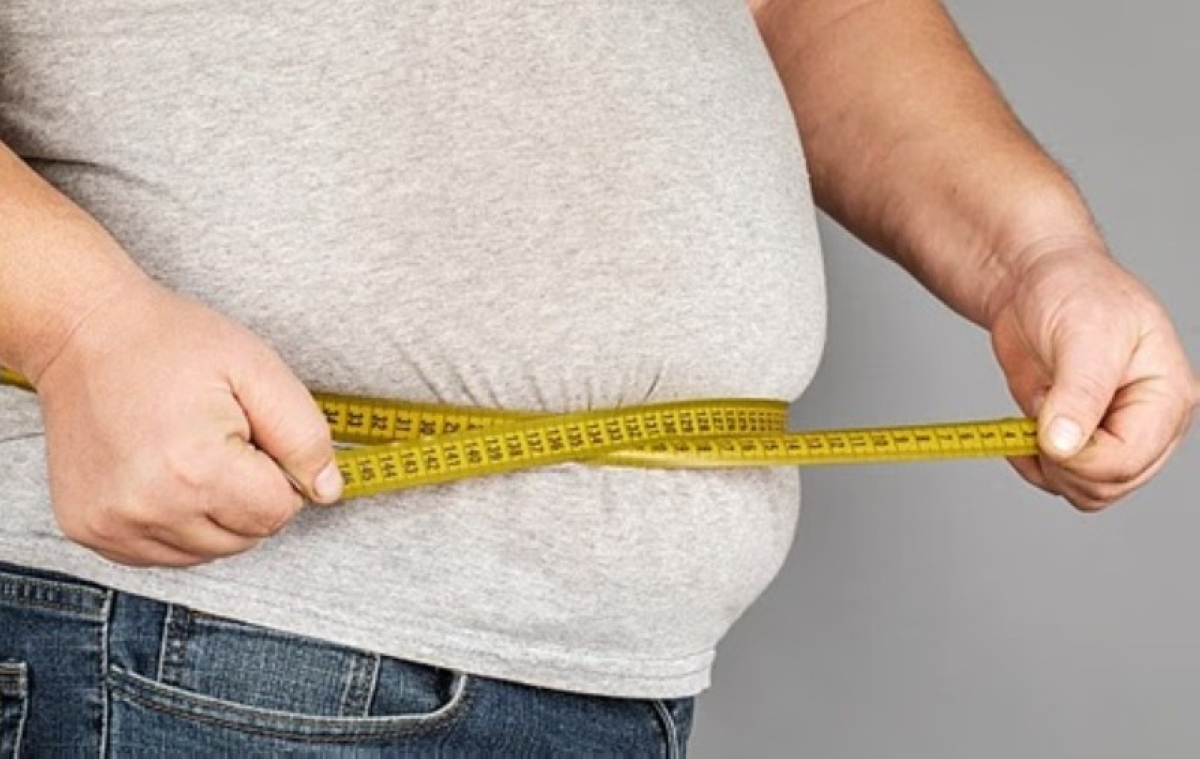
حذر خبراء من أن ما يصل إلى 60% من البالغين قد يُصنفون «مصابين بالسمنة» وفقًا لمقترح جذري لتعديل نظام مؤشر كتلة الجسم (BMI)، حيث يُعتبر مؤشر كتلة الجسم بين 18.5 و25 طبيعيًا، وبين 25 و29 يشير إلى زيادة الوزن، بينما يُعتبر 30 فأعلى مؤشرًا على السمنة، وهي الحالة التي ترتفع معها مخاطر الأمراض الخطيرة بشكل كبير.
طريقة تشخيص السمنة
وبحسب صحيفة «ديلي ميل» فإن 58 خبيرًا عالميًا اقترحوا إصلاحًا شاملاً لطريقة تشخيص السمنة، معتبرين أن مؤشر كتلة الجسم وحده أداة غير دقيقة، واقترحوا إضافة قياس محيط الخصر ونسبة الوزن إلى الطول لتقديم صورة أوضح عن الدهون الجسدية غير الصحية.
وكشفت دراسة أجراها باحثون من جامعة هارفارد ومستشفى ماساتشوستس العام، شملت بيانات أكثر من 300 ألف بالغ أمريكي، أن اعتماد التعريف الجديد قد يزيد عدد الأشخاص المصنفين كمصابين بالسمنة بنسبة تصل إلى 60%.
وفي بريطانيا، حيث يُعاني نحو 13 مليون بالغ من السمنة حاليًا، قد يرتفع هذا العدد إلى نحو 21 مليونًا وفقًا لنفس الحسابات، ووصف الخبراء هذه النتائج بأنها «مهمة»، محذرين من أن الزيادة الكبيرة في معدلات السمنة قد يكون لها «تداعيات صحية وعامة ومالية عميقة».
تصنيف جديد للسمنة بقياس مؤشر كتلة الجسم
السمنة ومؤشر كتلة الجسم
وبموجب القواعد الجديدة، ستُعرف السمنة بمؤشر كتلة جسم يتجاوز 30 مع وجود قياس مرتفع واحد على الأقل (مثل زيادة محيط الخصر أو نسبة الوزن إلى الطول)، أو بمؤشر كتلة جسم يتجاوز 40.
كما يمكن تصنيف الأشخاص كمصابين بالسمنة إذا كان مؤشر كتلة الجسم لديهم أقل من 30 ولكن لديهم قياسان مرتفعان على الأقل، وهو ما أُطلق عليه «السمنة القائمة على القياسات الجسدية فقط».
في الدراسة الأمريكية، استوفى نحو 206,361 بالغًا المعايير الجديدة للسمنة، بينما لم يعد 678 مشاركًا (0.2%) يُصنفون كمصابين بالسمنة لأن قياساتهم الأخرى كانت طبيعية.
ارتفاع معدل السمنة 60 %
وأشار الباحثون في مجلة «JAMA Network Open» إلى أن معدل السمنة ارتفع بنسبة 60% عند استخدام التعريف الجديد مقارنة بالتعريف التقليدي القائم على مؤشر كتلة الجسم، وكان هذا الارتفاع مدفوعًا بشكل كامل بإدراج الأفراد المصابين بـ«السمنة القائمة على القياسات الجسدية فقط».
وعلى الرغم من أن مؤشر كتلة الجسم لدى هؤلاء الأفراد بدا صحيًا، إلا أنهم كانوا أكثر عرضة لخطر الإصابة بخلل في وظائف الأعضاء ومرض السكري بثلاث مرات مقارنة بغير المصابين بالسمنة.
كما وجد الباحثون أن نحو 80% من المشاركين الذين تزيد أعمارهم على 70 عامًا تم تصنيفهم كمصابين بالسمنة وفقًا للمعايير الجديدة، وهو ضعف المعدل الحالي، وخلصوا إلى أن «نتائجنا تدعم إدراج السمنة القائمة على القياسات الجسدية ضمن التعريف الجديد للسمنة».
.
وفي وقت سابق من هذا العام، اقترح 50 خبيرًا عالميًا إصلاحًا جذريًا لتشخيص وعلاج السمنة من خلال إدراج قياسات إضافية مثل نسبة الوزن إلى الطول ومحيط الخصر إلى جانب مؤشر كتلة الجسم، في تقرير نُشر في مجلة «Lancet Diabetes & Endocrinology»، وقد حظي هذا الاقتراح بدعم العديد من المنظمات، بما في ذلك الكلية الملكية للأطباء.
حظر إعلانات الأطعمة غير الصحية عبر الإنترنت
يأتي هذا في وقت فرضت فيه الحكومة البريطانية، في وقت سابق من هذا الشهر، قوانين جديدة تحظر عروض «اشتر واحدة واحصل على أخرى مجانًا» على الحلويات والمقرمشات والمشروبات السكرية، بالإضافة إلى منع إعادة تعبئة المشروبات الغازية مجانًا في المطاعم والمقاهي.
وستتبع ذلك في يناير القادم حظر إعلانات الأطعمة والمشروبات غير الصحية عبر الإنترنت، وتقييد الإعلانات التلفزيونية قبل الساعة 9 مساءً، بهدف الحد من أزمة السمنة المتفاقمة في بريطانيا.
وتشير التقارير إلى أن مشكلة زيادة الوزن في بريطانيا ساهمت في ارتفاع بنسبة 39% في الإصابة بمرض السكري من النوع الثاني بين البالغين دون سن الأربعين، حيث يعاني نحو 168,000 شاب من هذا المرض.
كما أن زيادة الوزن مرتبطة بما لا يقل عن 13 نوعًا من السرطان، وهي ثاني أكبر سبب للسرطان يمكن الوقاية منه في المملكة المتحدة، وفقًا لمؤسسة أبحاث السرطان في المملكة المتحدة.
Experts have warned that up to 60% of adults may be classified as “obese” according to a radical proposal to amend the body mass index (BMI) system, where a BMI between 18.5 and 25 is considered normal, between 25 and 29 indicates overweight, while 30 and above is considered an indicator of obesity, a condition that significantly increases the risks of serious diseases.
How Obesity is Diagnosed
According to the “Daily Mail,” 58 global experts have proposed a comprehensive reform of the way obesity is diagnosed, considering that BMI alone is an inaccurate tool, and suggested adding waist circumference and weight-to-height ratio measurements to provide a clearer picture of unhealthy body fat.
A study conducted by researchers from Harvard University and Massachusetts General Hospital, which included data from over 300,000 American adults, revealed that adopting the new definition could increase the number of people classified as obese by up to 60%.
In Britain, where around 13 million adults currently suffer from obesity, this number could rise to about 21 million according to the same calculations. Experts described these findings as “significant,” warning that the substantial increase in obesity rates could have “deep health, public, and financial implications.”
تصنيف جديد للسمنة بقياس مؤشر كتلة الجسم
Obesity and Body Mass Index
Under the new rules, obesity will be defined as a BMI exceeding 30 with at least one elevated measurement (such as increased waist circumference or weight-to-height ratio), or a BMI exceeding 40.
Individuals can also be classified as obese if their BMI is below 30 but they have at least two elevated measurements, a condition referred to as “measurement-based obesity only.”
In the American study, about 206,361 adults met the new obesity criteria, while 678 participants (0.2%) were no longer classified as obese because their other measurements were normal.
60% Increase in Obesity Rates
Researchers in the “JAMA Network Open” noted that the obesity rate increased by 60% when using the new definition compared to the traditional BMI-based definition, with this increase being entirely driven by the inclusion of individuals with “measurement-based obesity only.”
Although the BMI of these individuals appeared healthy, they were three times more likely to be at risk of organ dysfunction and diabetes compared to non-obese individuals.
Researchers also found that about 80% of participants over the age of 70 were classified as obese according to the new standards, which is double the current rate, concluding that “our findings support the inclusion of measurement-based obesity in the new definition of obesity.”
.
Earlier this year, 50 global experts proposed a radical overhaul of the diagnosis and treatment of obesity by incorporating additional measurements such as weight-to-height ratio and waist circumference alongside BMI, in a report published in the “Lancet Diabetes & Endocrinology,” which received support from several organizations, including the Royal College of Physicians.
Ban on Unhealthy Food Advertisements Online
This comes at a time when the British government, earlier this month, imposed new laws banning “buy one, get one free” offers on sweets, snacks, and sugary drinks, in addition to prohibiting free refills of soft drinks in restaurants and cafes.
A ban on advertisements for unhealthy foods and drinks online will follow in January, along with restrictions on television advertisements before 9 PM, aimed at curbing the escalating obesity crisis in Britain.
Reports indicate that the issue of weight gain in Britain has contributed to a 39% increase in type 2 diabetes among adults under 40, with around 168,000 young people suffering from this disease.
Additionally, being overweight is linked to at least 13 types of cancer, making it the second largest preventable cause of cancer in the UK, according to Cancer Research UK.