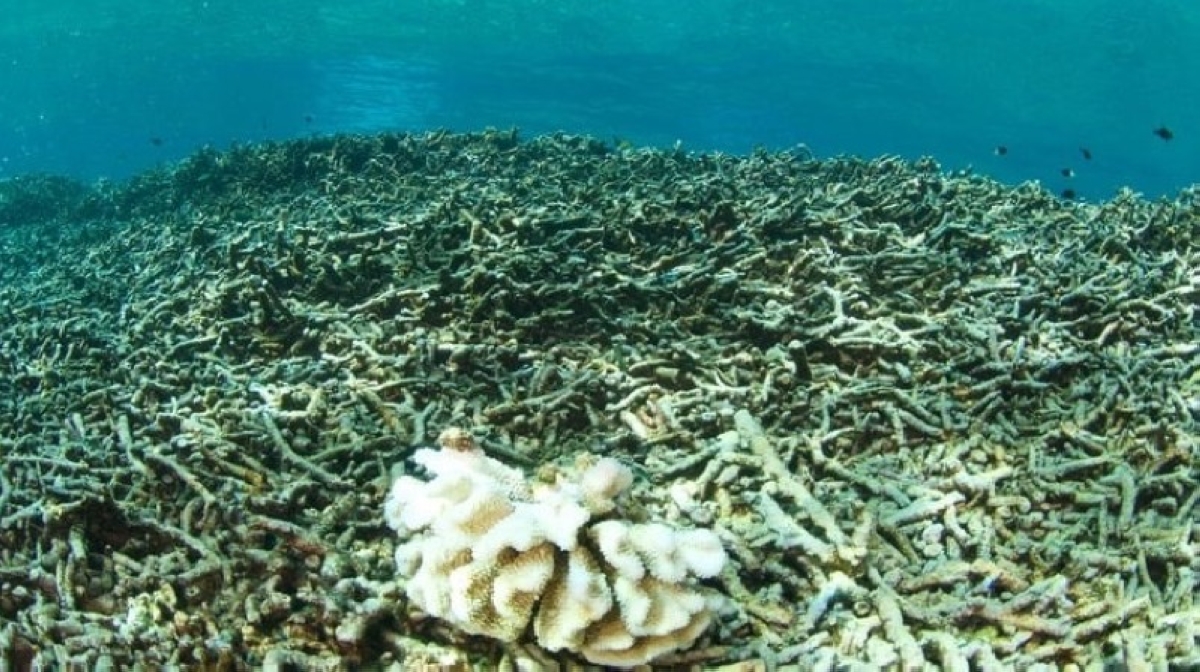
في تطور خطير يُهدد مستقبل الحياة على الأرض، كشف تقرير علمي دولي أن كوكبنا وصل إلى أول نقطة تحول كارثية بسبب انبعاثات الغازات الدفيئة، حيث شهدت الشعاب المرجانية الدافئة انخفاضاً حاداً ومستمراً يهدد سبل عيش مئات الملايين من البشر.
التقرير الذي أجرته الهيئة الحكومية الدولية المعنية بتغير المناخ (IPCC) وشارك فيه 160 عالماً من 23 دولة، حذر من أن ما حدث مع الشعاب المرجانية ليس إلا البداية، إذ يقترب العالم من نقاط تحول بيئية أخرى قد تشمل تراجع غابات الأمازون وانهيار التيارات البحرية الكبرى، فضلاً عن فقدان الألواح الجليدية في القطبين.
الشعاب المرجانية تحت التهديد
أكد التقرير أن الشعاب المرجانية تواجه خطر الاختفاء الكامل إذا لم تنخفض درجات حرارة الأرض إلى 1.2 درجة مئوية بسرعة، بينما يبلغ متوسط الاحترار الحالي 1.4 درجة مئوية.
ومنذ بداية عام 2023، شهدت الشعاب المرجانية أسوأ ظاهرة تبييض في التاريخ الحديث، إذ تأثرت أكثر من 80% منها في أكثر من 80 دولة نتيجة ارتفاع درجات حرارة البحار إلى مستويات قصوى، ما أدى إلى دفع الأنظمة البيئية البحرية إلى «مناطق غير مستكشفة» تنذر بخطر داهم.
نقطة تحوّل حرجة
ويحذر العلماء من أن تجاوز عتبة الاحترار 1.5 درجة مئوية خلال العقد القادم قد يكون أمراً حتمياً في حال استمرار معدلات الانبعاثات الحالية دون خفض سريع وفعال.
وفي هذا السياق، شدد التقرير على ضرورة اتخاذ إجراءات عاجلة لمكافحة تغير المناخ وتحسين إدارة الشعاب المرجانية محلياً، مع التركيز على حماية المناطق التي لم تتأثر بعد والتي تمثل «بذور التعافي» المحتملة، لضمان استمرار دعم الحياة البحرية والمجتمعات البشرية التي تعتمد عليها.
ذوبان الجليد وارتفاع البحار
لم يقتصر التقرير على الشعاب المرجانية فقط، بل سلط الضوء أيضاً على الألواح الجليدية في القطبين الغربي والأخضر، التي تقترب بسرعة من نقاط تحول خطيرة مع تسارع فقدان الجليد وارتفاع منسوب البحار، ما يضاعف المخاطر البيئية ويهدد المناطق الساحلية حول العالم.
هل هناك أمل؟
رغم كل هذه المؤشرات المقلقة، أشار التقرير إلى بعض نقاط التحول الإيجابية المحتملة في المجتمعات، منها التوسع في استخدام السيارات الكهربائية التي تسهم بشكل ملموس في تقليل الانبعاثات وتقليل حدة الأزمة المناخية.
ويظل المستقبل أمام البشرية محفوفاً بالمخاطر، لكن التحول السريع نحو تقنيات صديقة للبيئة والإجراءات العالمية الجريئة قد تكون الفرصة الأخيرة لتجنب المزيد من الكوارث البيئية.
In a serious development that threatens the future of life on Earth, an international scientific report revealed that our planet has reached its first catastrophic tipping point due to greenhouse gas emissions, with warm coral reefs experiencing a sharp and continuous decline that threatens the livelihoods of hundreds of millions of people.
The report, conducted by the Intergovernmental Panel on Climate Change (IPCC) and involving 160 scientists from 23 countries, warned that what has happened to the coral reefs is just the beginning, as the world approaches other environmental tipping points that may include the decline of the Amazon rainforest and the collapse of major ocean currents, as well as the loss of ice sheets in the polar regions.
Coral Reefs Under Threat
The report confirmed that coral reefs face the risk of complete disappearance if global temperatures do not decrease to 1.2 degrees Celsius quickly, while the current average warming stands at 1.4 degrees Celsius.
Since the beginning of 2023, coral reefs have experienced the worst bleaching event in modern history, with over 80% of them affected in more than 80 countries due to rising sea temperatures reaching extreme levels, pushing marine ecosystems into "unexplored territories" that signal imminent danger.
Critical Tipping Point
Scientists warn that exceeding the warming threshold of 1.5 degrees Celsius over the next decade may be inevitable if current emission rates continue without rapid and effective reductions.
In this context, the report emphasized the urgent need for action to combat climate change and improve local management of coral reefs, focusing on protecting areas that have not yet been affected, which represent potential "seeds of recovery," to ensure the continued support of marine life and the human communities that depend on it.
Melting Ice and Rising Seas
The report did not focus solely on coral reefs but also highlighted the ice sheets in the West and Greenland, which are rapidly approaching dangerous tipping points as ice loss accelerates and sea levels rise, exacerbating environmental risks and threatening coastal areas around the world.
Is There Hope?
Despite all these alarming indicators, the report pointed to some potential positive tipping points in communities, including the expansion of electric vehicle usage, which significantly contributes to reducing emissions and alleviating the climate crisis.
The future for humanity remains fraught with risks, but a rapid shift towards environmentally friendly technologies and bold global actions may be the last chance to avoid further environmental disasters.