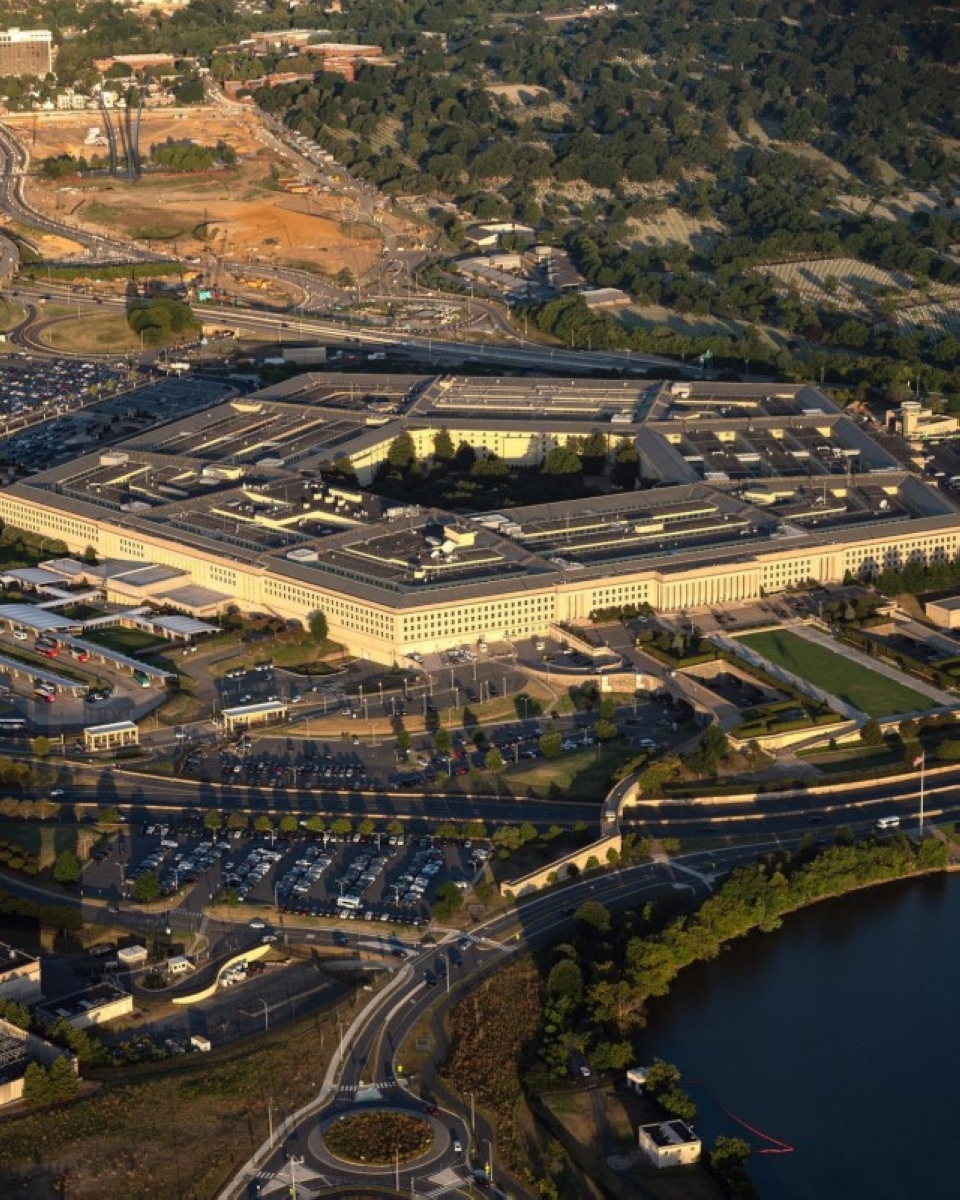
في خطوة وُصفت بأنها تهديد مباشر لحرية الصحافة، أعلنت عدة مؤسسات إعلامية أمريكية كبرى، منها واشنطن بوست، ونيويورك تايمز، ونيوزماكس، وNPR، رفضها القاطع للتوقيع على سياسة جديدة أصدرها البنتاغون تنظم دخول الصحفيين وتقيّد تغطيتهم داخل مجمع وزارة الدفاع الأمريكية.
21 صفحة تُغضب الإعلام
الوثيقة التي صدرت عن البنتاغون، والممتدة على 21 صفحة، تحتوي على بنود أثارت حفيظة المحامين وخبراء الحريات. من أخطرها اعتبار الصحفيين «خطراً أمنياً» لمجرد نشرهم معلومات غير مصرح بها: سواء كانت سرية أو حتى علنية.
وتحل هذه المتطلبات محل النموذج السابق، الذي لم يكن يتعدى صفحة واحدة.
الموعد النهائي.. اليوم
منحت وزارة الدفاع الصحفيين مهلة حتى الساعة الخامسة من مساء اليوم (الثلاثاء) لتوقيع الوثيقة. ومن يرفض، عليه تسليم بطاقة اعتماده في اليوم التالي.
لكن الصحف تعتبر هذا ابتزازاً وانتهاكاً لحق الجمهور في المعرفة.
لسنا أداة دعائية
وصدرت تصريحات مختلفة من كبريات الصحف ووسائل الإعلام الأمريكية، فقال رئيس تحرير ذا أتلانتيك، جيفري غولدبرغ: «نرفض هذه القيود التي تفرضها إدارة ترمب على الصحفيين. إنها تنتهك التعديل الأول وحق المواطنين في معرفة كيف تُدار مواردهم».
كما أكدت CNN أنها ستستمر في تغطيتها الشاملة والدقيقة، بغض النظر عن مدى وصولها إلى البنتاغون، ولن تتراجع عن محاسبة الحكومة.
رد ساخر من وزير الدفاع
وفي رد غير رسمي، استخدم وزير الدفاع بيت هيغسيث رمز «اليد الملوحة» على منصة X (تويتر سابقاً) في إشارة إلى تجاهله لرفض المؤسسات الإعلامية.
وسبق له أن اتخذ خطوات عدائية ضد الصحفيين، منها تقليص مناطق تواجدهم داخل المبنى.
انقسام إعلامي.. وقناة واحدة وقّعت
وعلى عكس التيار العام، أعلنت شبكة One America News المعروفة بدعمها للرئيس ترمب، أنها وقّعت على السياسة الجديدة.
بينما تُجبر السياسة الجديدة أكثر من 100 صحفي معتمد على التفكير بالانسحاب أو مواجهة العزلة.
هل يتراجع البنتاغون؟
حتى الآن، لم يصدر أي تعليق رسمي من وزارة الدفاع حول إمكانية مراجعة الوثيقة، في ظل تصاعد الضغوط من جمعية صحافة البنتاغون التي حذرت من «سياسة تكميم الأفواه».
In a move described as a direct threat to press freedom, several major American media organizations, including The Washington Post, The New York Times, Newsmax, and NPR, have firmly rejected signing a new policy issued by the Pentagon that regulates journalists' access and restricts their coverage within the U.S. Department of Defense complex.
21 Pages Angering the Media
The document issued by the Pentagon, spanning 21 pages, contains provisions that have raised the ire of lawyers and freedom experts. Among the most alarming is the classification of journalists as a "security risk" simply for publishing unauthorized information: whether it is classified or even public.
These requirements replace the previous model, which was no more than one page long.
Deadline.. Today
The Department of Defense has given journalists until 5 PM today (Tuesday) to sign the document. Those who refuse must surrender their credentials the following day.
However, newspapers consider this extortion and a violation of the public's right to know.
We Are Not a Propaganda Tool
Various statements have been issued from major American newspapers and media outlets, with Jeffrey Goldberg, editor-in-chief of The Atlantic, stating: "We reject these restrictions imposed by the Trump administration on journalists. They violate the First Amendment and the citizens' right to know how their resources are managed."
CNN also confirmed that it will continue its comprehensive and accurate coverage, regardless of its access to the Pentagon, and will not back down from holding the government accountable.
Sarcastic Response from the Secretary of Defense
In an unofficial response, Secretary of Defense Pete Hegseth used the "salty hand" emoji on platform X (formerly Twitter) in reference to his disregard for the media organizations' rejection.
He has previously taken hostile steps against journalists, including reducing their areas of presence within the building.
Media Division.. One Channel Signed
In contrast to the general trend, One America News Network, known for its support of President Trump, announced that it signed the new policy.
Meanwhile, the new policy forces more than 100 accredited journalists to consider withdrawing or facing isolation.
Will the Pentagon Back Down?
So far, there has been no official comment from the Department of Defense regarding the possibility of revising the document, amid rising pressures from the Pentagon Press Association, which has warned of a "gag policy."